California Company Proposes Data Centre in Oil Field
A California firm plans to build a large data centre on a disused oil field, aiming to repurpose industrial land while sparking debate over energy use and environmental impact.
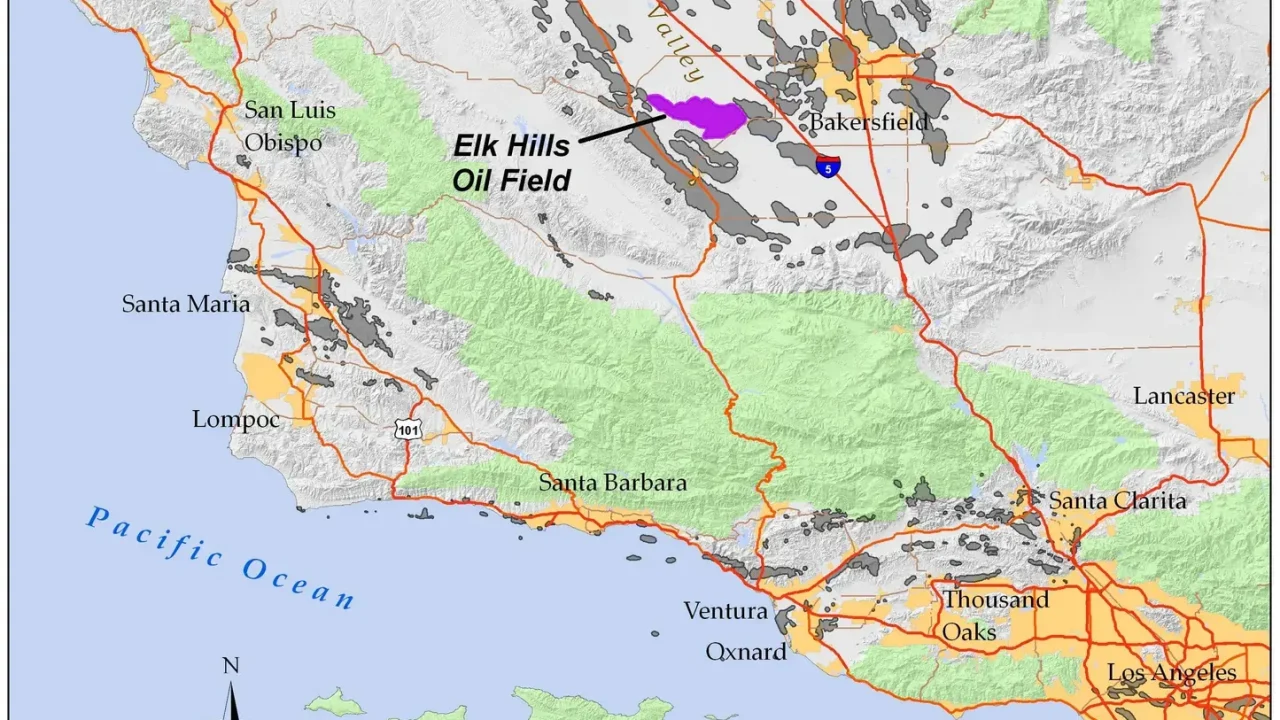
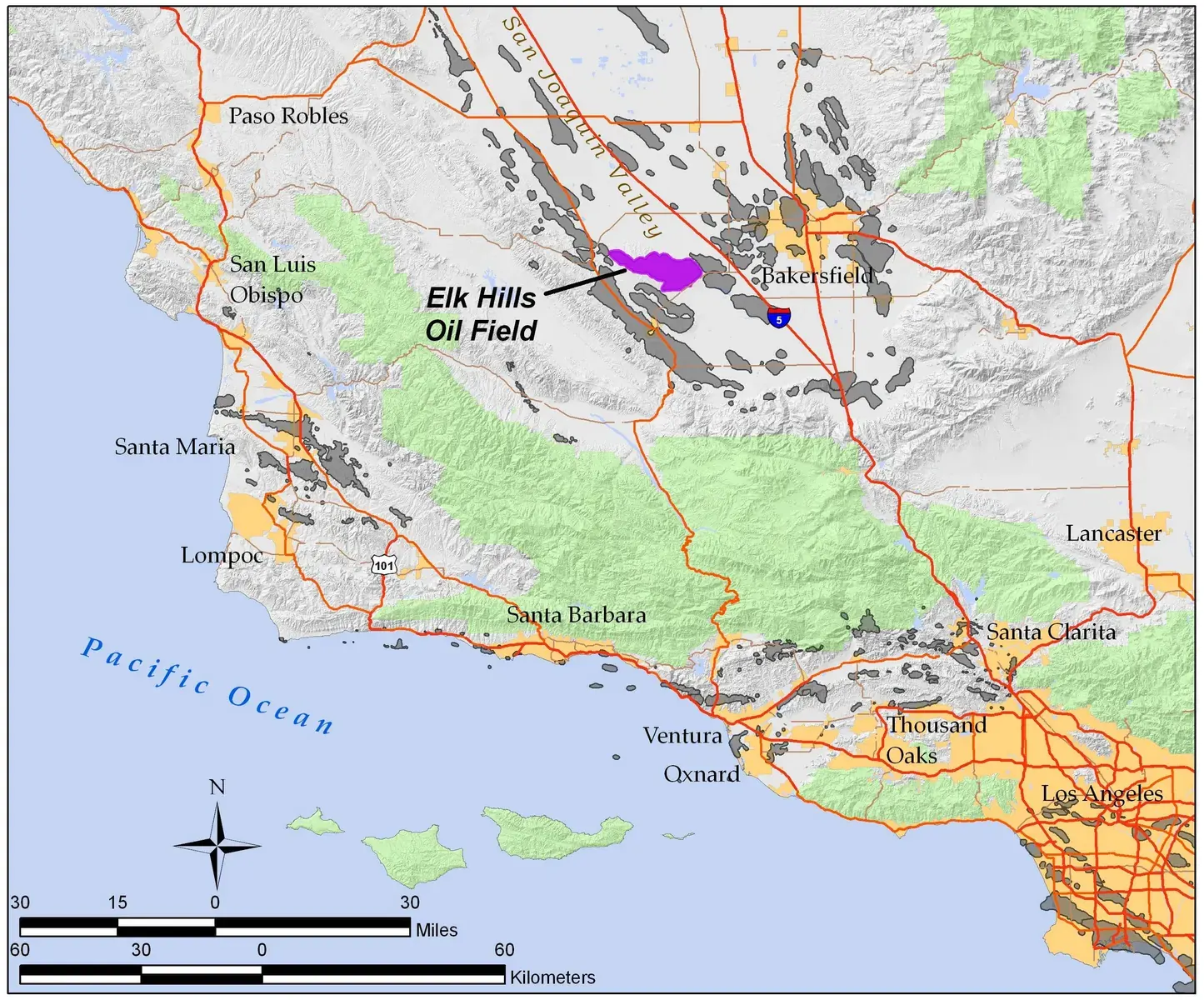
A California-based company, California Resources Corporation (CRC), has proposed building a substantial data centre campus on a 100-acre site within an active oil field. The project, named the Golden Valley Technology Hub, is situated in California’s Central Valley and aims to repurpose existing industrial land while capitalising on the growing demand for data processing power driven by the artificial intelligence sector.
The proposal is framed by CRC as a “responsible development” approach, intended to create jobs and generate tax revenue. Proponents argue that locating the facility within the extensive Elk Hills oil field, which spans tens of thousands of acres, ensures it will be situated more than a mile from the nearest residential areas. This distance is intended to mitigate community concerns often associated with large industrial developments. The project is also slated to undergo a rigorous environmental review, which is anticipated to take approximately one year.
Por que importa
This initiative is part of a broader trend where companies are exploring unconventional locations for data centres, seeking to overcome community opposition and leverage existing infrastructure or land. Similar proposals have reportedly emerged in Texas and Pennsylvania. While these projects may offer economic benefits to legacy energy producers, they also raise questions about energy consumption and environmental sustainability, particularly in a state like California that is actively pursuing a transition away from fossil fuels.
CRC’s strategy involves integrating carbon capture technology with the data centre’s power supply. The company plans to develop a carbon capture system for the facility that would trap CO2 emissions and store them in depleted wells, similar to a system it has already launched at another oilfield gas plant. This move is presented as a step in CRC’s broader business transition away from traditional fossil fuel extraction. However, environmental groups have voiced strong opposition, arguing that the project could still lead to increased air pollution and carbon dioxide emissions. Organisations including Earthjustice and the Center for Biological Diversity have initiated legal action against Kern County over its approval of the carbon capture project, with litigation currently ongoing.
Contexto
The development of large-scale data centres presents a significant urbanism challenge. These facilities are highly energy-intensive, requiring substantial and reliable power sources, which can strain local grids and contribute to carbon emissions if reliant on fossil fuels. The choice of location also has implications for land use, potentially impacting agricultural areas, natural habitats, or existing industrial zones. In this case, repurposing an oil field suggests a potential for reusing land with a history of industrial activity, but it also brings into focus the ongoing debate about the role of fossil fuel infrastructure in enabling new, energy-hungry technologies.
The project’s reliance on a power source potentially linked to fossil fuels, even with carbon capture, contrasts with a growing trend towards powering data centres with renewable energy sources like solar and wind. While CRC’s investment in carbon capture technology signals an attempt to address environmental concerns, critics argue that it may not be sufficient to offset the overall carbon footprint of the data centre and its associated energy infrastructure. The ongoing legal challenges highlight the complex regulatory and environmental hurdles that such projects face.
The implications for London and other major urban centres are significant. As the demand for digital services and AI capabilities continues to grow, the need for data processing infrastructure will inevitably increase. Cities worldwide are grappling with how to accommodate this growth sustainably. This includes considering the energy demands, land requirements, and environmental impacts of data centres. The California proposal offers a case study in potential solutions, such as repurposing brownfield or industrial sites, but also serves as a cautionary tale regarding the complexities of energy sources and the importance of robust environmental oversight and community engagement.
Key facts
| Aspect | Detail |
|—|—|
| Project Name | Golden Valley Technology Hub |
| Location | Elk Hills oil field, Central Valley, California |
| Proposing Company | California Resources Corporation (CRC) |
| Site Size | 100 acres |
| Proposed Technology | Data centre with integrated carbon capture system |
| Environmental Concerns | Potential increase in air pollution and CO2 emissions |
| Legal Action | Ongoing litigation led by Earthjustice and Center for Biological Diversity |
The proposal by CRC underscores the intersection of technological advancement, energy policy, and land use planning. It highlights the ongoing tension between economic development driven by new technologies and the imperative for environmental sustainability. For urban planners and policymakers, such projects necessitate careful consideration of energy infrastructure, environmental impact assessments, and the long-term implications of integrating data centres into diverse landscapes. The debate in California will likely influence how similar proposals are considered elsewhere, particularly in regions seeking to balance growth with climate goals.
Source: Planetizen News, https://www.planetizen.com/news/2026/07/137912-california-company-proposes-building-data-center-oil-field
Datos clave
| Punto | Detalle |
|---|---|
| Fuente | Planetizen News |
| Fecha | 2026-07-02T15:00:00+00:00 |
| Tema | California company proposes building data center in oil field |
Fuente
Planetizen News Publicacion original: 2026-07-02T15:00:00+00:00
Related updates

New York Poll Shows Overwhelming Bipartisan Support for Apartments Near Transit, Highlighting Contrast with London’s Own Housing Debate
A new poll from Open New York finds 79% of voters support building multi-family homes near rail stations, as the governor’s race…
Read update
Seattle City Attorney Launches New Community Court and Repeat Offender Programme Amid Public Defender Concerns
Seattle City Attorney Erika Evans has launched Connection Court, a new community court programme, alongside a punitive High-Priority Repeat Offenses system. The…
Read update
Seattle’s Centers & Corridors Zoning Update Delayed by Environmental Review Ruling
A state hearings board ruling has forced Seattle to rework the environmental impact statement for its twenty-year growth plan, pushing the next…
Read update
FEMA disaster mitigation grants freeze threatens to stall UK resilience learning, planners warn
A US Government Accountability Office report says $2.2 billion in FEMA Building Resilient Infrastructure and Communities grants remain unresolved, delaying more than…
Read updateWiki relacionada

Urban Planning Terms: Density, Public Realm and Transit-Oriented Development
A living glossary for terms that appear again and again in planning and development stories.
Read update