
Brazil’s 2026 Elections: A Crucial Juncture for Public Transport Investment
As Brazil gears up for its 2026 general elections, urban mobility and sustainable public transport are set to become central campaign issues. A new policy brief from ITDP Brazil outlines proposals to address funding, service, and equity challenges, urging future leaders to prioritise electrification and reliable public
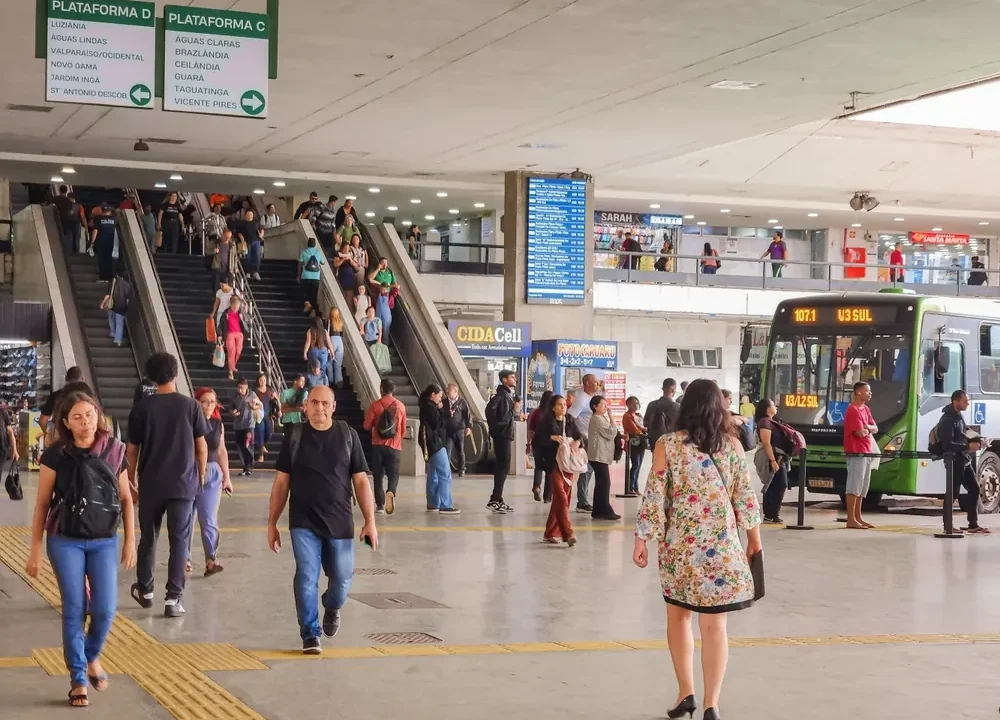
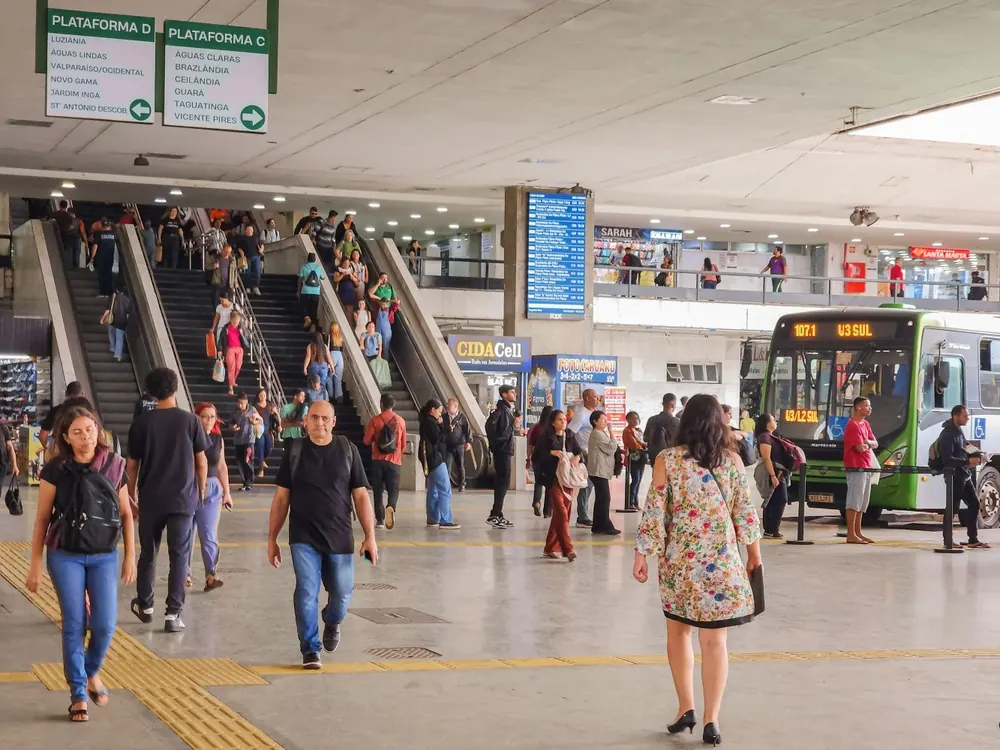
Brazil’s upcoming general elections in October 2026 present a critical opportunity for the nation to redefine its approach to urban mobility. As presidential, congressional, and state-level leaders are chosen, the future of public transport—and its role in shaping equitable, sustainable cities—will be a defining issue. The Institute for Transportation and Development Policy (ITDP) Brazil has released a policy brief urging candidates and voters alike to prioritise robust investment in public transit, moving away from polluting and volatile fossil-fuel-dependent models.
The elections will not only determine the political landscape but also set the trajectory for regional investment and policy for years to come. At the heart of the federal and state campaigns lies the question of urban mobility: will Brazil continue to rely on fuel-intensive, environmentally damaging transportation systems, or will it embrace sustainable and equitable public transport solutions? This decision carries significant weight in the context of a global energy crisis and the urgent need for climate action.
ITDP Brazil’s brief highlights the stark choice between perpetuating dependence on volatile fossil fuels or implementing crucial policies that ensure stable funding for public transit, expand service availability, and promote electrification. The organisation argues that choosing electric public transport is not only more socially equitable but also more energy-efficient than relying on the often-unstable landscape of fossil-fuel subsidies, which have historically proven to be both economically and environmentally detrimental worldwide.
Inadequate Funding and Shifting Travel Patterns
A core challenge facing public transport systems in Brazil, as in many nations, is a persistent lack of effective public policies. This includes insufficient funding for public transport and active modes of travel, which has led to a significant shift in travel patterns. Consequently, there has been an increased reliance on polluting and unsustainable private vehicles. This trend exacerbates the financial strain on public transport systems and contributes to negative emissions impacts.
Moreover, the surge in private vehicle use, particularly motorcycles, is directly linked to an alarmingly high number of traffic fatalities. In 2024 alone, the estimated hospitalization costs for the Unified Health System (SUS) resulting from these accidents exceeded R$ 250 million. This human and economic toll underscores the urgent need for safer, more sustainable transportation alternatives.
Proposals for Enhancing Public Transport
To address these pressing issues and elevate the importance of sustainable public transport in the electoral discourse, ITDP Brazil has developed a policy brief outlining concrete proposals. These proposals are designed to work cohesively to improve the quality and appeal of public transit, ultimately aiming to increase ridership.
Key considerations and challenges identified in the brief paint a picture of the current state of urban mobility in Brazil:
- Long Commutes: Many residents undertake lengthy journeys to access jobs, essential public services, and recreational activities, highlighting the need for efficient and accessible transport networks.
- Fare Affordability: Public transport fares are often misaligned with the income levels of users, creating a barrier to access for many.
- Equity Gaps: Specific demographic groups, including women, children, individuals living in poverty, Black individuals, older adults, and people with disabilities, face disproportionately greater challenges in their daily mobility.
- Traffic Fatalities: The high rate of traffic deaths is a significant public concern, particularly impacting pedestrians and cyclists.
- Infrastructure Location: Transportation infrastructure is not always strategically located near residential areas, further complicating commutes.
- Environmental Impact: Transportation systems contribute to pollution, environmental degradation, diminished air quality, and compromised public health.
Clarisse Cunhe Linke, executive director of ITDP Brazil, emphasised the critical role of these proposals: “Our policy proposals are essential to minimize the difficulties most of the Brazilian population faces in accessing the city, improve the insufficient and precarious transportation infrastructure, and rethink the high cost of fares. In this report, the solutions address challenges that daily undermine the population’s quality of life, especially for poor and Black people, who are the primary users of public transit services.”
Transforming Urban Management and Planning
The proposed transformations necessitate a fundamental shift in urban management and planning. This requires coordinated actions that place the reduction of inequality in transportation access at the core of policy development. However, the success of even the most sound guidelines and plans hinges on the availability of adequate financing mechanisms.
Sustainable urban mobility policies, therefore, depend on governments’ strategic and consistent ability to mobilise, allocate, and manage financial resources over time. This encompasses funding for infrastructure development, operational costs, technological innovations, climate mitigation and adaptation programs, and instruments designed to promote social equity.
The upcoming elections offer a pivotal moment for Brazil’s future leaders to champion well-managed, well-funded public transport solutions over short-term political gains. By committing to comprehensive policies and long-term financing strategies, decision-makers have the power to improve urban mobility, reduce societal inequalities, foster economic opportunities, and ultimately ensure better quality of life for all Brazilians.
Key facts
| Aspect | Details |
|---|---|
| Election Year | 2026 (Presidential, Congressional, State Governors, Legislative Assemblies) |
| Key Issue | Urban mobility and sustainable public transport investment |
| Primary Concern | Shift from fossil-fuel dependence to electrified, equitable public transport |
| ITDP Brazil Proposal | Policy brief outlining actions to increase public transport ridership and improve service quality and access |
| Traffic Fatalities Cost | Over R$ 250 million in hospitalization costs for SUS in 2024 due to traffic accidents |
The implications of these discussions for London and other global cities are significant. While the immediate focus is on Brazil, the challenges of underfunding, equitable access, and the environmental impact of transportation are universal. London, with its extensive public transport network, continuously grapples with fare affordability, service reliability, and the transition to cleaner energy sources. Policies enacted in Brazil could offer valuable insights or serve as cautionary tales for urban planners and policymakers worldwide, particularly concerning the integration of transport planning with broader social equity and climate resilience goals. The push for electrification and stable funding models in a large, developing nation like Brazil provides a compelling case study for how other cities can advocate for and implement transformative changes in their own urban mobility landscapes.
Source: Ahead of Brazil’s 2026 Elections, Improving Public Transport Should Be A Priority, ITDP, https://itdp.org/2026/07/10/ahead-of-brazils-2026-elections-improving-public-transport-should-be-a-priority/
Fuente
ITDP Publicacion original: 2026-07-10T15:53:16+00:00
Related updates
Seattle social housing land deal offers lessons for London’s community-led delivery
Seattle’s social housing developer has acquired its first site for a mixed-income project, aiming for 1,000 homes by end of 2026. The…
Read update
When zoning reform meets private covenants: the HOA obstacle to backyard cottages
As more US cities rewrite zoning rules to allow accessory dwellings, private homeowners’ association covenants remain a barrier that reform alone cannot…
Read update
Seattle-Area Race Highlights Diverging Approaches to Housing, Transit and Tech Taxation
A Washington State legislative race in the 32nd District pits incrementalism against urgency on housing supply, transit funding and tech regulation, with…
Read update
New York court ruling on sanctuary policies carries implications for city-level immigration enforcement across the US
A federal judge has dismissed the Trump administration’s attempt to override New York City’s restrictions on immigration enforcement cooperation, citing state sovereignty.…
Read updateWiki relacionada
Urban Planning Terms: Density, Public Realm and Transit-Oriented Development
A living glossary for terms that appear again and again in planning and development stories.
Read update