
Balancing Heritage and Protection: The Role of Advanced Waterproofing in Urban Conservation
Examining how modern building envelope technology and discrete waterproofing solutions help preserve historic urban structures against climate pressures without altering architectural integrity.
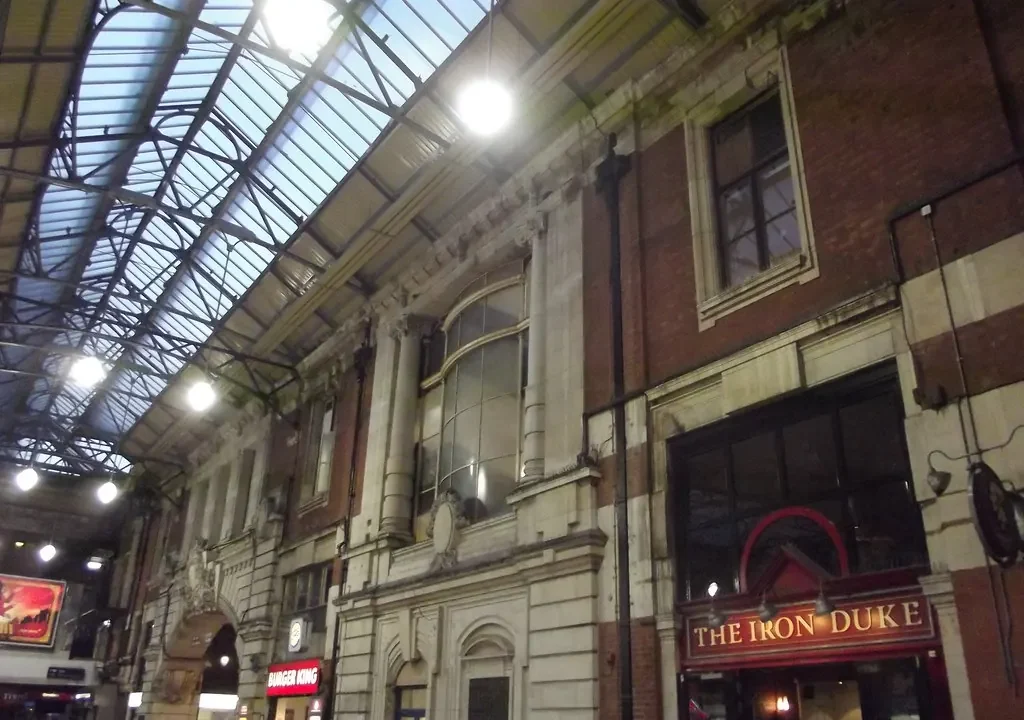
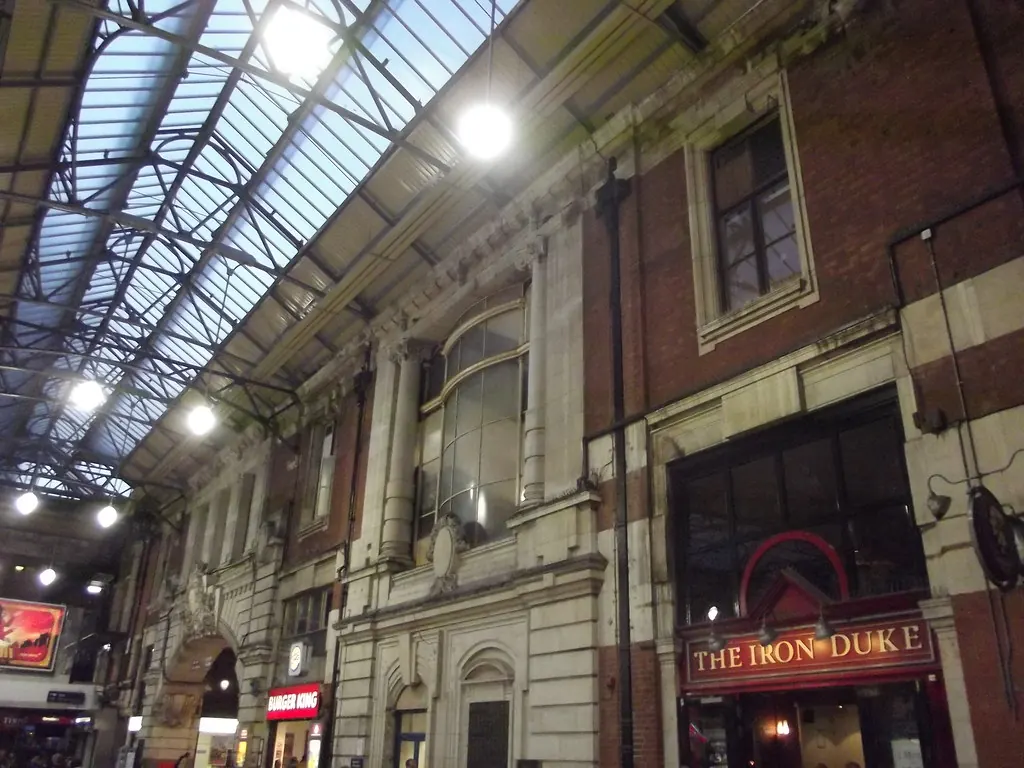
Historic structures across urban centers face mounting environmental pressures, ranging from shifting precipitation patterns to rising temperatures and urban heat island effects. Maintaining these buildings requires striking a delicate balance between rigorous conservation principles and the adoption of modern material science. While traditional restoration often focused solely on visual aesthetics, contemporary urban management increasingly looks at the hidden layers of the building envelope—specifically roofing and sub-surface waterproofing—to extend the lifespan of civic landmarks, commercial terraces, and residential conservation areas.
Preserving architectural heritage while upgrading environmental performance involves navigating strict regulatory frameworks, particularly regarding listed buildings and conservation zones. Planners and heritage architects must ensure that any intervention remains reversible and visually imperceptible from the public realm. Modern waterproofing solutions, including vapor-permeable membranes, liquid-applied systems, and specialized flashing, offer ways to mitigate moisture ingress without stripping away historic fabric or altering external rooflines. These interventions prevent freeze-thaw cycles from fracturing masonry and stop rising damp from degrading internal plasterwork.
Por que importa
Key facts
| Fact | Detail |
|---|---|
| Primary focus | Protecting historic structures through modern building envelope upgrades |
| Key vulnerability | Moisture ingress, freeze-thaw cycles, and shifting precipitation |
| Regulatory context | Listed building consents and conservation area design guidelines |
| Core objective | Extending structural lifespan while preserving architectural integrity |
Water infiltration remains one of the primary drivers of decay in masonry and timber-framed buildings. In dense urban environments, aging roofs and compromised sub-grade membranes allow water to seep into structural cores, accelerating the breakdown of lime mortar, corroding hidden iron ties, and fostering mold growth. Advanced drainage mats, breathable sealants, and targeted injection grouting provide structural engineers with tools to stabilize historic foundations and roof assemblies. By stopping water at the perimeter before it compromises internal load-bearing elements, building managers reduce the frequency of invasive, destructive repairs.
Integrating these technologies into existing urban frameworks requires close coordination between conservation officers, structural engineers, and specialist contractors. Planning authorities typically scrutinize interventions for listed assets to ensure that modern materials do not trap moisture within historic walls—a common failure mode when modern impermeable plastics are applied to breathable historic brickwork. Consequently, contemporary conservation practice emphasizes diagnostic testing, hygrothermal modeling, and the use of lime-compatible or vapor-open waterproofing compounds that respect the original physics of the building envelope.
Contexto
As urban centers face more intense weather events driven by shifting climatic norms, the regulatory approach to heritage assets is evolving. Rather than treating historic preservation and climate resilience as competing priorities, modern municipal policy increasingly recognizes that durable, well-waterproofed roofs and foundations are essential for long-term heritage stewardship. Ensuring that older buildings remain structurally sound prevents premature demolition, supports embodied carbon retention, and maintains the distinct architectural character that defines historic cityscapes.
Source: Smart Cities Dive, https://www.smartcitiesdive.com/spons/how-modern-roofing-and-waterproofing-solutions-protect-historic-structures/825720/
Fuente
Smart Cities Dive Publicacion original: 2026-07-27T09:00:00+00:00
Related updates
New York Poll Shows Overwhelming Bipartisan Support for Apartments Near Transit, Highlighting Contrast with London’s Own Housing Debate
A new poll from Open New York finds 79% of voters support building multi-family homes near rail stations, as the governor’s race…
Read update
Seattle City Attorney Launches New Community Court and Repeat Offender Programme Amid Public Defender Concerns
Seattle City Attorney Erika Evans has launched Connection Court, a new community court programme, alongside a punitive High-Priority Repeat Offenses system. The…
Read update
Seattle’s Centers & Corridors Zoning Update Delayed by Environmental Review Ruling
A state hearings board ruling has forced Seattle to rework the environmental impact statement for its twenty-year growth plan, pushing the next…
Read update
FEMA disaster mitigation grants freeze threatens to stall UK resilience learning, planners warn
A US Government Accountability Office report says $2.2 billion in FEMA Building Resilient Infrastructure and Communities grants remain unresolved, delaying more than…
Read updateWiki relacionada

Urban Planning Terms: Density, Public Realm and Transit-Oriented Development
A living glossary for terms that appear again and again in planning and development stories.
Read update