
Bay Area Voters Signal Desire for Reduced Car Dependence with Transit Funding Wins
Recent election results in the Bay Area, particularly the decisive victory for the SMART train funding measure, indicate a growing public appetite for alternatives to car dependency, according to Streetsblog SF.
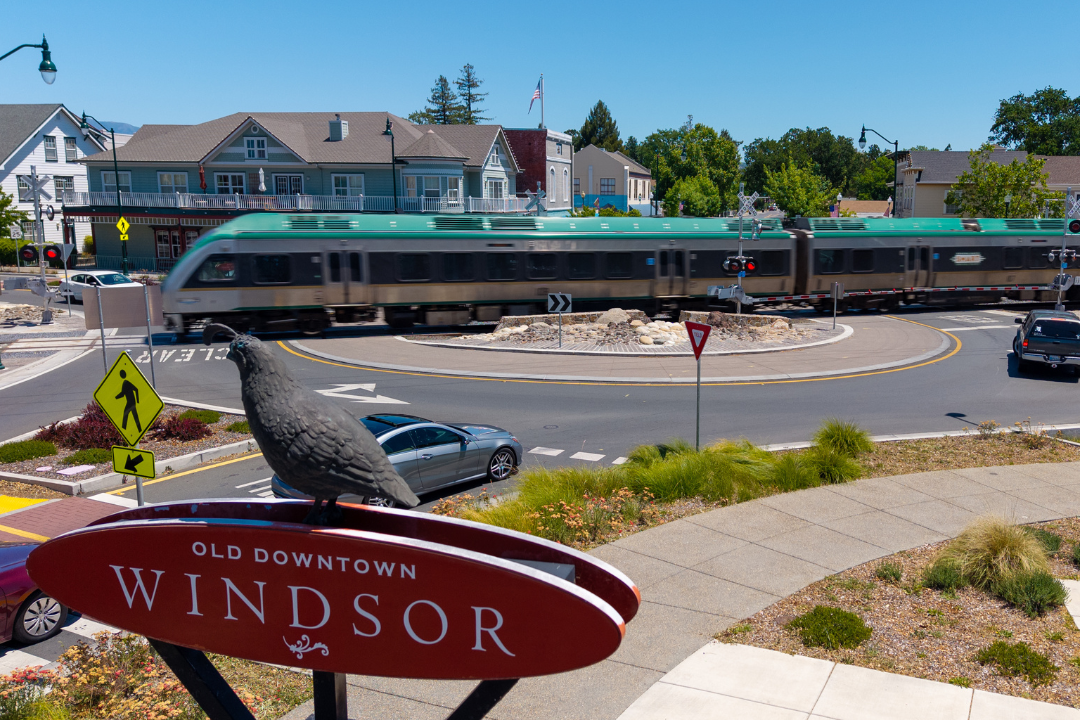
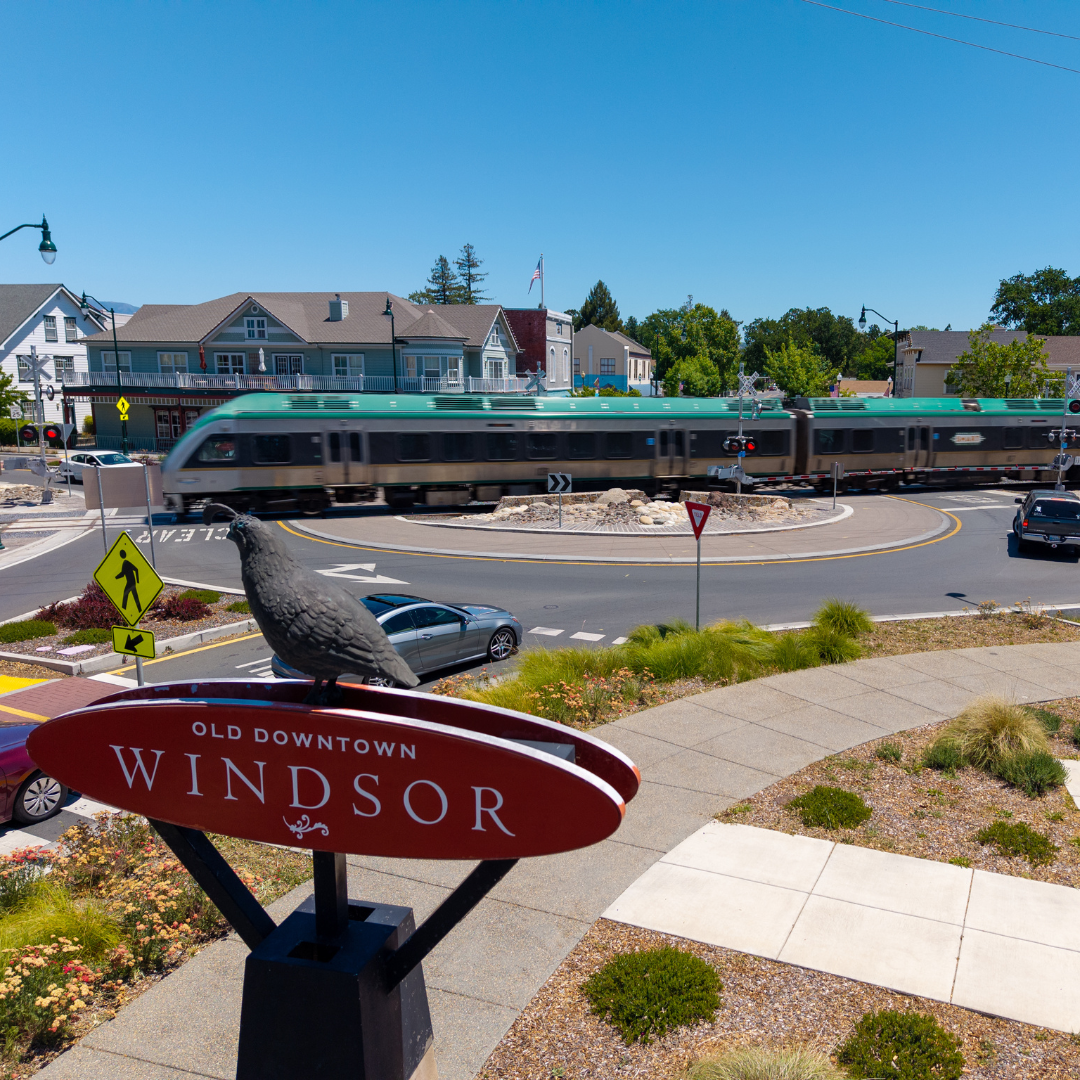
Recent election results across the San Francisco Bay Area have underscored a significant shift in public sentiment, with voters demonstrating a clear preference for reducing car dependence and investing in public transportation alternatives. The decisive victory of a sales tax extension to fund the Sonoma-Marin Area Rail Transit (SMART) train for another 30 years, surpassing 70 percent in Sonoma and Marin counties, serves as a key indicator of this evolving public will.
Measure B, the ¼-cent sales tax extension, provides crucial long-term financial stability for the SMART train’s operations and its expansion plans. This outcome marks a substantial turnaround from six years prior when a similar funding initiative failed to gain ballot approval.
Community Support for SMART
The Marin County Bicycle Coalition expressed satisfaction with the measure’s success. Warren Wells, the group’s Policy and Planning Director, noted that the endorsement from partners in Sonoma County reflected a shared commitment to the SMART project.
“SMART has made huge progress–filling in gaps in the pathway, adding wayfinding and bike/pedestrian counters to the pathway, and adding more space for bikes on the train,” stated Eris Weaver, Policy and Planning Director for the Sonoma County Bicycle Coalition. Weaver also highlighted improvements in train service and the expansion of the SMART line to Windsor, contributing to a greater ability for residents to travel within the county without relying on private vehicles. Further development is already underway to extend the SMART service to Healdsburg.
Lessons from the Ballot Box
The success of the Measure B campaign offers valuable insights for future transit initiatives. Unlike the 2020 funding attempt, which was not initiated by a signature-gathering campaign and required a two-thirds majority, this year’s measure benefited from a citizen-led approach and only needed a simple majority to pass.
Weaver recalled that in 2020, the bicycle coalitions withheld their support due to concerns that SMART leadership was not adequately fulfilling its mandate regarding the bicycle path. This year’s victory suggests that transit operators must prioritize the needs of cyclists and pedestrians to garner broad public support.
Regional Trends in Transit Support
The trend towards prioritizing public transit is not confined to the North Bay. Streetsblog SF notes that recent signature-gathering campaigns for regional measures aimed at funding BART, Muni, VTA, Caltrain, and AC Transit, as well as a dedicated Muni funding measure in San Francisco, also saw record-breaking participation.
Carter Lavin of the Transbay Coalition commented on the broader implications of these transit funding successes. “The resounding success of the transit funding measure to keep SMART service alive in Sonoma and Marin Counties is a clear sign that at a time when gas prices and cost of living are going up, Bay Area voters are eager to support saving and improving public transit,” Lavin said.
The Transbay Coalition anticipates working collaboratively with SMART staff and the board to address any remaining gaps in the Marin County pathway, a clear mandate from North Bay voters.
Key facts
| Aspect | Details |
|---|---|
| Measure | Measure B (¼-cent sales tax extension) |
| Purpose | Fund SMART train operations and expansion for 30 years |
| Election Result | Over 70% approval in Sonoma and Marin counties |
| Significance | Demonstrates voter support for public transit and reduced car dependence |
The election results signify a growing public desire for sustainable transportation options. The success of Measure B and other regional transit funding efforts indicates a willingness among Bay Area residents to invest in alternatives to private vehicle use, aligning with broader urban planning goals of reducing congestion, improving air quality, and enhancing community connectivity. This shift in voter priorities could influence future urban development and transportation policy decisions across the region.
Source: Streetsblog SF – https://sf.streetsblog.org/2026/06/03/election-result-underscores-message-bay-area-wants-car-dependence-to-end
Fuente
Streetsblog SF Publicacion original: 2026-06-03T23:42:14+00:00
Related updates
Why the predicted Portland ‘Carmaggedon’ never arrived — and what London can learn about traffic evaporation
A month-long closure of a mile-long section of I-5 in Portland was forecast to triple commute times. Instead, morning peak journeys increased…
Read update
What the fall of Angkor reveals about the risks of low-density urban sprawl
A new analysis of the fall of Angkor, the ancient Khmer capital, draws parallels between its sprawling, low-density infrastructure and the vulnerabilities…
Read update
Colorado Data Center Dispute Highlights Gap in Planning Rules and Community Oversight
A proposal for Colorado’s largest data centre in Aurora has sparked debate over planning rules that allow major developments to bypass public…
Read update
London procurement teams face mounting cost and compliance pressures, North American survey suggests
A survey of 100 public-sector procurement professionals across North America finds rising costs and compliance demands straining teams, with 46% still relying…
Read updateWiki relacionada

Urban Planning Terms: Density, Public Realm and Transit-Oriented Development
A living glossary for terms that appear again and again in planning and development stories.
Read update