
Dallas Transit Gears Up for World Cup, Encourages Locals to Drive
As the Dallas area prepares for an influx of over a million visitors for the World Cup, its transit agency is adapting services and urging local fans to use private vehicles to ease pressure on public transport, especially for international attendees.
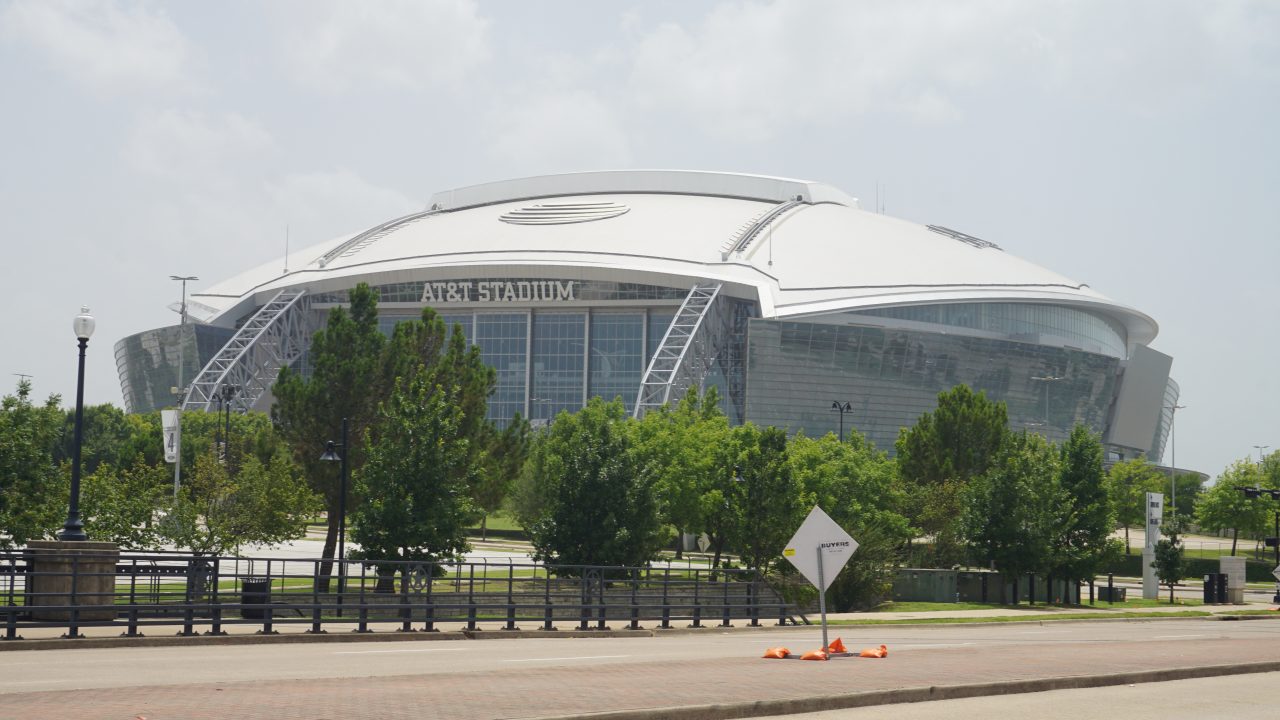
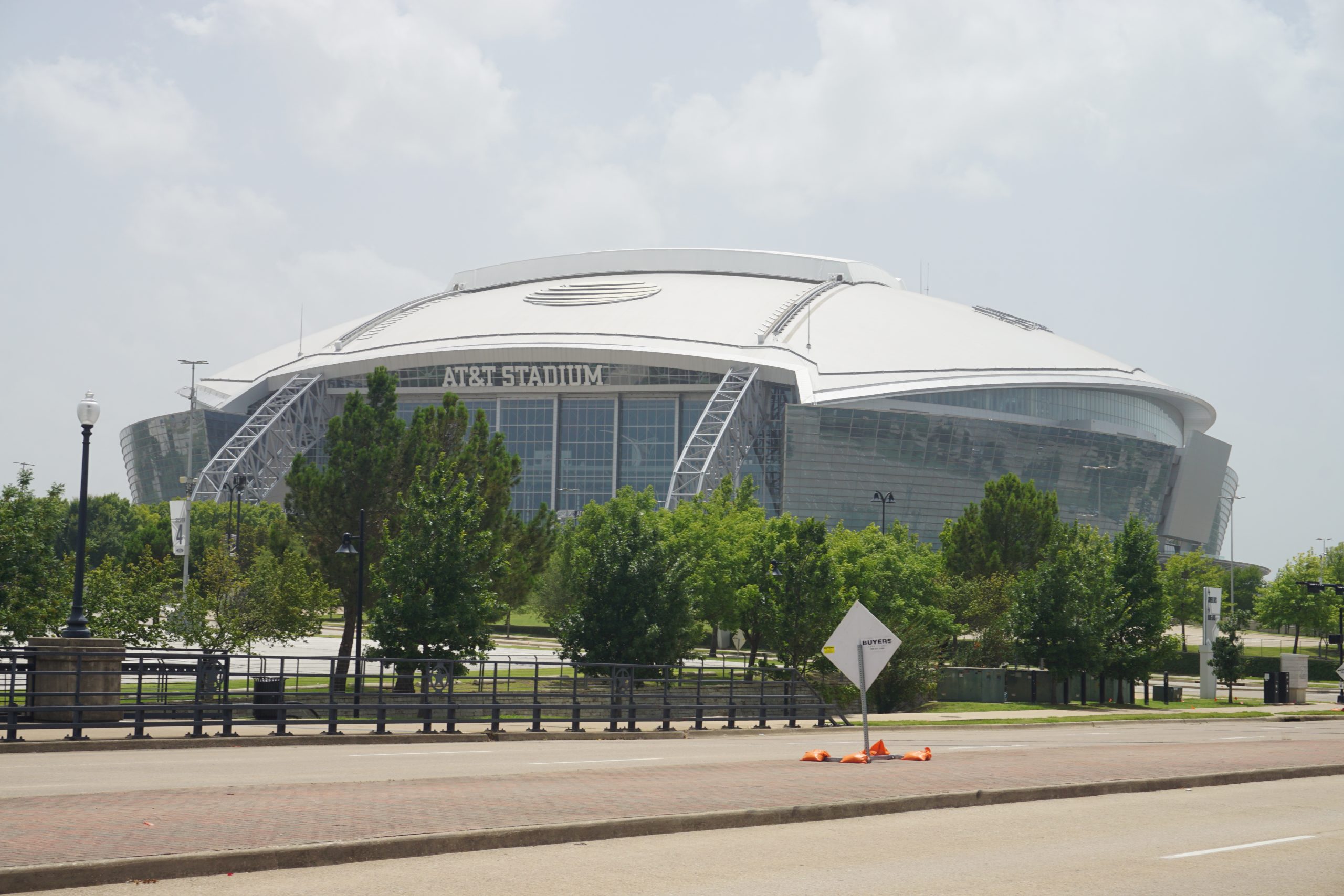
Dallas is embarking on an ambitious plan to manage the significant transportation challenges posed by the upcoming 2026 FIFA World Cup. With an estimated one million visitors expected to descend upon the region, Dallas Area Rapid Transit (DART) is implementing a multi-faceted strategy that includes enhancing its app with World Cup-specific information and encouraging local fans to opt for driving to free up capacity for international and car-free attendees.
World Cup Transit Preparations
The Dallas area is anticipating a substantial influx of domestic and international visitors for the World Cup. A key component of DART’s strategy involves integrating World Cup-related transit directions and multilingual translations into its official mobile application. This aims to provide clear guidance for visitors navigating the public transport network. Furthermore, DART is collaborating with third-party navigation applications to ensure that special shuttle services designated for the tournament are accurately represented, making them easily discoverable for attendees.
The transit agency recognises that international visitors are less likely to arrive with personal vehicles. Consequently, a significant emphasis is being placed on the train and shuttle services to cater to this demographic. To mitigate potential overcrowding and ensure accessibility for all, DART is actively encouraging local fans to utilise private vehicles for their travel to and from matches. This measure is designed to alleviate pressure on the public transit system, ensuring that it can effectively serve the needs of those who rely on it, particularly international guests.
Contingency Planning for Service Capacity
Recognising the potential for unforeseen circumstances, DART has developed a robust backup plan. A “bus brigade” has been prepared as a contingency measure. This reserve fleet of buses could be deployed to take over if the primary commuter rail service, which connects to the special shuttle routes, experiences operational issues or reaches its maximum capacity. This proactive approach aims to maintain service reliability and prevent disruptions during the high-demand period of the tournament.
An Opportunity for Policy Innovation
Natalie Bettger, senior program manager at the North Central Texas Council of Governments, views the World Cup as a unique opportunity to test and refine transportation policies in real-time. She highlights the exceptional nature of having multiple high-stakes events within a short timeframe. “Usually we do it one time, and we get one chance, and we learn from it, but here we have nine times within five weeks, which is really cool, because you usually don’t get that opportunity,” Bettger remarked. This continuous cycle of events provides an unprecedented chance for iterative adjustments and learning, allowing transportation planners to adapt strategies based on immediate feedback and performance data. The insights gained from managing transit during the World Cup could inform long-term improvements to the region’s transportation infrastructure and policy.
The success of these preparations hinges on effective communication and coordination not only within DART but also with other regional transport bodies and event organisers. The goal is to create a seamless and accessible experience for all attendees, showcasing the region’s capacity to host large-scale international events while also addressing the daily transit needs of its residents.
Key facts
- Expected Visitors: Over one million
- Primary Transit Provider: Dallas Area Rapid Transit (DART)
- Key Strategy: Enhance transit app, encourage locals to drive, shuttle services
- Contingency: “Bus brigade” for backup service
- Opportunity: Real-time testing and refinement of transportation policies
The World Cup presents a significant challenge and opportunity for Dallas’s urban mobility. The strategies being implemented by DART, from enhanced digital tools to strategic encouragement of different travel modes, reflect a dynamic approach to managing large-scale event logistics. The emphasis on ensuring international visitors have reliable transit options, while also promoting local drivers to use their vehicles, highlights a pragmatic balancing act. The continuous learning aspect, as noted by Bettger, suggests a forward-thinking approach that could yield lasting benefits for the region’s transportation planning and infrastructure beyond the tournament itself. The success of these measures will be closely watched as a case study in urban event management and transit adaptation.
Source: Planetizen News (https://www.planetizen.com/news/2026/05/137640-dallas-area-transit-prepares-world-cup-asks-locals-drive)
Fuente
Planetizen News Publicacion original: 2026-05-25T14:00:00+00:00
Related updates

Seattle-Area Race Highlights Diverging Approaches to Housing, Transit and Tech Taxation
A Washington State legislative race in the 32nd District pits incrementalism against urgency on housing supply, transit funding and tech regulation, with…
Read update
New York court ruling on sanctuary policies carries implications for city-level immigration enforcement across the US
A federal judge has dismissed the Trump administration’s attempt to override New York City’s restrictions on immigration enforcement cooperation, citing state sovereignty.…
Read update
Automated license plate readers raise privacy, contract and oversight questions for UK cities
A new US-focused analysis of automated license plate recognition cameras highlights contract, privacy and oversight issues that London boroughs and Transport for…
Read update
Oregon’s “fix it first” dilemma: what London’s transport planners can learn from a revolt against megaprojects
Surveys show Oregonians overwhelmingly want existing roads repaired before new megaprojects are funded, and trust in the state’s transport agency has collapsed.…
Read updateWiki relacionada
Urban Planning Terms: Density, Public Realm and Transit-Oriented Development
A living glossary for terms that appear again and again in planning and development stories.
Read update