
US Road Safety Lag Highlights Persistent Gap – London’s Vision Zero in Focus
A Streetsblog USA article notes that the United States continues to trail other developed nations on road safety despite recent progress. The finding offers a comparative backdrop for London’s own Vision Zero strategy and its climate resilience goals.

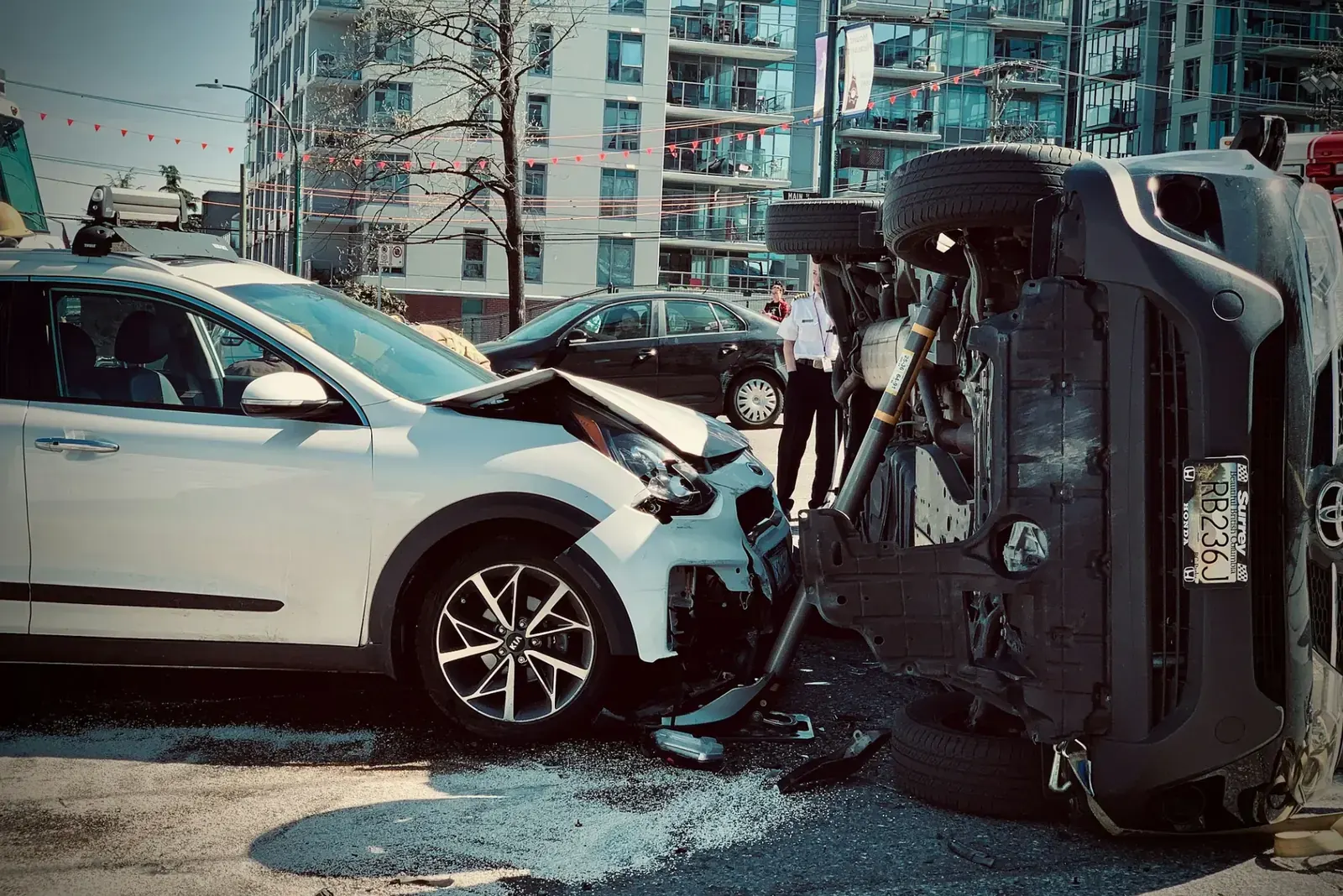
A Streetsblog USA article published on 27 July 2026 highlights that the United States has been falling behind other developed nations on road safety for decades, even after recent improvements. The piece, part of the outlet’s regular Monday headlines roundup, does not offer new data but reinforces a long-standing international comparison: the US road fatality rate per capita remains significantly higher than in peer countries, including the United Kingdom.
The US Context
The article’s core observation – that the US lags despite progress – is a familiar one in transport safety research. The US has a motor vehicle death rate roughly two to three times that of the UK, Canada, Australia, and many Western European nations. Factors often cited include higher speed limits, less stringent vehicle standards, and a road design culture that prioritises traffic flow over pedestrian and cyclist safety. The Streetsblog summary does not provide new figures, but it contextualises the persistent gap.
London’s Vision Zero Approach
For London readers, the US comparison underscores the importance of the city’s own road safety strategy. Transport for London’s Vision Zero plan, adopted in 2018, sets a target of eliminating all deaths and serious injuries on London’s roads by 2041. Key measures include 20mph speed limits on most TfL-managed roads, redesigned junctions with protected cycle lanes, and stricter enforcement of dangerous driving. While London has seen reductions in casualties, progress has been uneven, and the city still records hundreds of serious injuries each year.
The US lag is a reminder that political will and sustained investment are critical. In the UK, national road safety policy has also been criticised for lacking ambition, and London’s borough-level implementation of Vision Zero varies. The Streetsblog article, though US-focused, adds weight to the argument that incremental change is insufficient – a point that applies equally to London.
Climate and Resilience Connection
Road safety and climate resilience are increasingly linked. Safer streets encourage walking, cycling, and public transport use, reducing car dependency and associated emissions. In London, the Mayor’s Transport Strategy explicitly ties active travel infrastructure to both safety and air quality goals. The US lag in road safety may also reflect a broader car-centric planning model that hampers climate adaptation. For London, maintaining and expanding safe street design is a co-benefit for climate resilience – reducing heat island effects, improving local air quality, and lowering transport carbon emissions.
The Streetsblog article does not directly address climate, but the connection is clear: cities that fail to make streets safe for all users typically see higher car usage, which undermines decarbonisation targets. London’s continued investment in protected cycle lanes, pedestrian crossings, and low-traffic neighbourhoods is therefore both a safety and a climate measure.
Key facts
| Aspect | US | UK (London context) |
|---|---|---|
| Road fatality rate (per 100k) | ~12.9 (2023, estimate) | ~2.9 (2023, UK) |
| Vision Zero adoption | Not national; some cities | London adopted 2018, target 2041 |
| Active travel mode share | ~2% bicycle (US average) | ~5% bicycle (London) |
Note: US and UK figures are approximate based on widely available public data; the Streetsblog article does not provide specific numbers.
The article serves as a concise reminder that road safety is not static. Despite the US lag, other developed nations – including the UK – face their own challenges in sustaining progress. London’s Vision Zero strategy remains a benchmark, but its success depends on consistent policy, funding, and public support.
Source: Streetsblog USA, “Monday’s Headlines Still Aren’t Safe,” 27 July 2026. https://usa.streetsblog.org/2026/07/27/mondays-headlines-still-arent-safe
Fuente
Streetsblog USA Publicacion original: 2026-07-27T04:01:00+00:00
Related updates

What Portland’s I-205 bridge cost blowout teaches London about mega-project risk
A Portland highway bridge originally priced at £248 million now stands at £885 million. The pattern of escalating estimates, delayed soil work…
Read update
California’s unused dam safety powers hold lessons for London’s ageing flood infrastructure
A California audit reveals the state has never used its enforcement powers against dam owners, despite 57 dams in poor condition. As…
Read update
New York Poll Shows Overwhelming Bipartisan Support for Apartments Near Transit, Highlighting Contrast with London’s Own Housing Debate
A new poll from Open New York finds 79% of voters support building multi-family homes near rail stations, as the governor’s race…
Read update
Seattle City Attorney Launches New Community Court and Repeat Offender Programme Amid Public Defender Concerns
Seattle City Attorney Erika Evans has launched Connection Court, a new community court programme, alongside a punitive High-Priority Repeat Offenses system. The…
Read updateWiki relacionada

Urban Planning Terms: Density, Public Realm and Transit-Oriented Development
A living glossary for terms that appear again and again in planning and development stories.
Read update