
World Cup visitor lessons point to a London public-realm test beyond the stadium
A sponsored Smart Cities Dive piece argues that World Cup host cities are judged long before kick-off. For London, the useful planning question is how stations, streets, wayfinding and public space perform around major events.
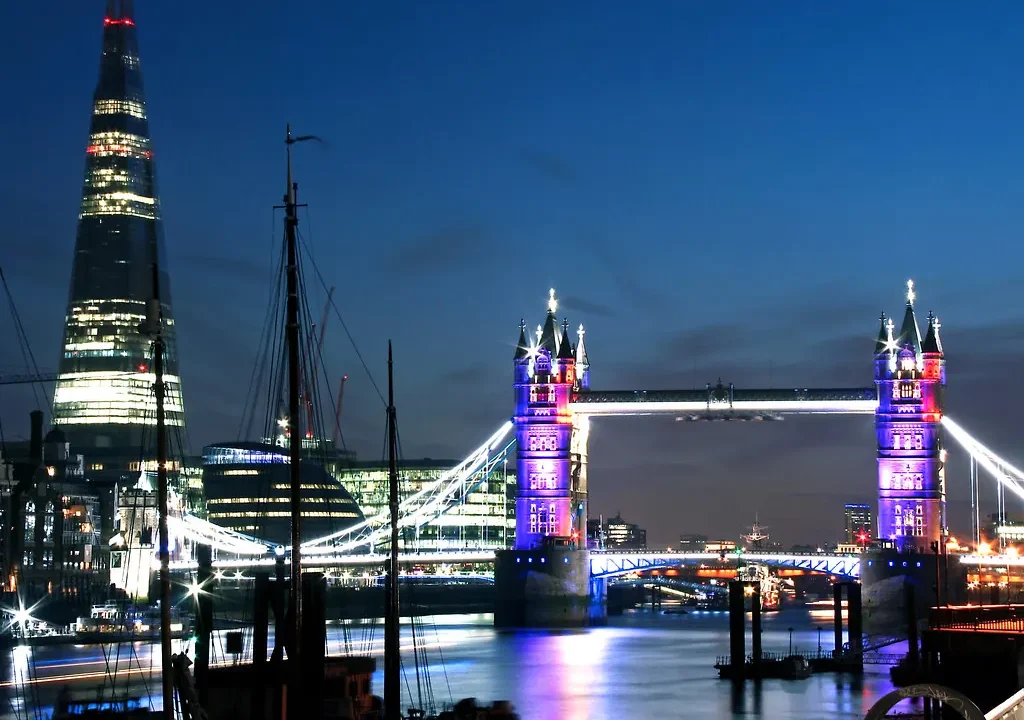
A sponsored Smart Cities Dive article uses the World Cup to make a broader point about urban first impressions: the visitor experience starts before anyone reaches a stadium and continues after the event ends. For London, the relevant planning angle is not the tournament itself, but the way major-event districts are tested by everyday urban systems — stations, walking routes, signage, public space, crowd management and the condition of surrounding streets.
The source material available for this draft is limited to the article title and feed summary. It should therefore be treated as a prompt for urban-planning context, not as evidence of a new London policy, funding decision, planning approval or transport change.
Why this belongs in London’s planning conversation
London is not short of places where the “beyond the stadium” question matters. Wembley, Stratford, the South Bank, the West End and other high-footfall districts all depend on the same basic urban systems working under pressure: legible routes from public transport, safe crossings, clear onward movement, accessible public space, and enough capacity in the surrounding street network to avoid turning an event into a neighbourhood-wide bottleneck.
The useful lesson from the Smart Cities Dive framing is that a city’s first impression is rarely made at the venue gate. It is shaped earlier: on the train platform, at the station exit, along the walking route, at the bus stop, in the queue, and in the spaces where visitors decide whether to stay, spend, leave or return.
For London planners and borough teams, that puts the emphasis on the public realm rather than the spectacle. A stadium or arena can be privately operated, but the arrival sequence is usually a mix of rail and Underground stations, pavements, crossings, town-centre streets, managed open space and local services. Those are planning and governance questions as much as event-management ones.
Key facts
| Issue | What is known |
|---|---|
| Source type | Sponsored Smart Cities Dive article, based on the available feed information |
| Main claim available | Visitor experience begins before the match and continues after the final whistle |
| London decision stage | Monitoring and policy context; no specific London approval, consultation or funding decision is evidenced by the source |
| Planning relevance | Public realm, wayfinding, station access, street management and neighbourhood impact around major events |
The decision stage: monitoring, not approval
This should be read as a monitoring and lessons-learned item, not a development-watch story. The available source does not identify a London planning application, consultation, committee report, construction start or new public spending commitment.
That distinction matters. Event-led urbanism can easily be overstated. A broad article about World Cup host-city impressions does not prove that a London borough should redesign a street, expand a station entrance or approve a development. It does, however, point to a practical test that planning authorities already face: whether the spaces around major destinations work for residents and visitors at peak demand.
For a London planning file, the evidence would need to be more specific. Relevant material would include transport assessments, pedestrian comfort analysis, crowd-modelling assumptions, equality impact assessments, safety audits, servicing plans, borough event-management plans, public consultation responses and post-event monitoring. Without those documents, the strongest editorial treatment is a cautious urban-planning context piece.
What “first impression” means on the street
The visitor journey is a chain. If one link fails, the place feels less welcoming even if the main venue performs well.
In London terms, that chain often starts with rail, Tube, Overground, Elizabeth line, DLR, bus or coach arrival. It then moves through station concourses, gatelines, public squares, crossings, pedestrian corridors and local high streets. For residents, the same chain can become a disruption: crowded pavements, noise, litter, traffic diversions, blocked desire lines, pressure on local shops, or temporary barriers that make familiar routes harder to use.
That is why “first impressions” should not be treated only as a branding exercise. The planning question is physical and operational. Are routes intuitive for a first-time visitor? Are they still usable for disabled people, children, older residents and workers moving against the crowd? Are local streets designed only for surge movement, or do they also serve the neighbourhood on non-event days?
London has a particular challenge because many major venues and visitor destinations are embedded in dense urban areas rather than isolated campuses. The planning value of a major-event lesson is therefore in the ordinary details: kerb space, crossing time, lighting, public toilets, seating, signage, maintenance, step-free route clarity and the relationship between temporary event controls and permanent street design.
What planners should check before borrowing event-city lessons
A World Cup host-city lesson can be useful, but only if it is translated into local evidence. For London boroughs and city agencies, the first check is whether a major-event intervention leaves a permanent public benefit or only manages a temporary surge.
A redesigned route to a stadium, for example, may improve crowd flow on match days but still fail local users if it is blank, over-scaled or poorly serviced the rest of the week. Conversely, small changes to wayfinding, crossings or station-area public space can help both visitors and residents if they are grounded in observed movement patterns rather than event branding.
The second check is governance. The visitor experience may cross land ownership and agency boundaries: venue operators, borough highways teams, Transport for London, rail operators, landowners, business improvement districts and the police may all shape the route. A planning condition or design code can address some issues, but not all of them. Long-term quality often depends on management, maintenance and clear accountability.
The third check is evidence after the event. Post-event monitoring is where broad claims about visitor experience become testable. Useful questions include whether crowding displaced local trips, whether bus reliability or station access suffered, whether temporary measures created accessibility problems, and whether local businesses and residents saw benefits as well as disruption.
Why the source limitation matters
The available Smart Cities Dive material is sponsored and only a short summary has been retrieved. That does not make the theme irrelevant, but it limits what can be reported as fact. This draft should not attribute detailed recommendations, case studies or technical findings to the article unless the full text is checked.
For London Urbanism Desk readers, the safest takeaway is a planning lens: major events reveal how well the ordinary city works. The streets and stations around venues are not just arrival infrastructure; they are part of the public realm, and their performance affects residents long after the crowd has gone.
The next useful check would be against local evidence: borough planning reports for venue-area schemes, TfL station and walking-route data where available, consultation responses on public-realm changes, and any post-event reviews published by public authorities. Until then, this remains a context item rather than a report on a specific London decision.
Source: Smart Cities Dive, “Beyond the stadium: What the World Cup can teach every community about first impressions” — https://www.smartcitiesdive.com/spons/beyond-the-stadium-what-the-world-cup-can-teach-every-community-about-firs/824872/
Fuente
Smart Cities Dive Publicacion original: 2026-07-20T09:00:00+00:00
Related updates
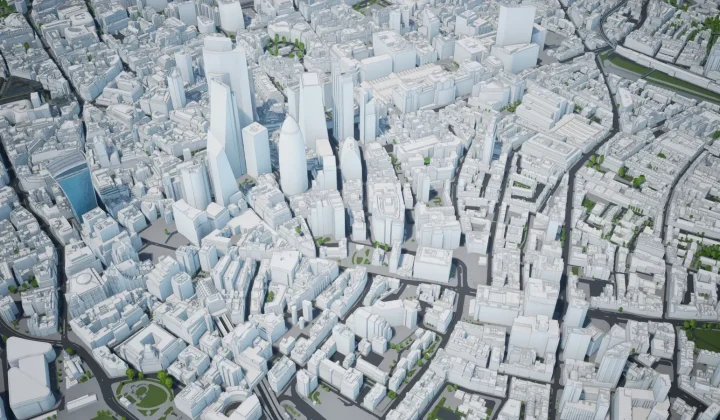
US mayors rank housing affordability as top crisis as costs squeeze cities
A new survey from the US Conference of Mayors finds affordable housing leading city leaders’ concerns as the rising cost of living…
Read update
Seattle School Board Member Challenges Washington State MAGA-Backed Initiatives
Seattle School Board member Joe Mizrahi has issued a detailed critique of three Washington State ballot initiatives funded by a hedge fund…
Read update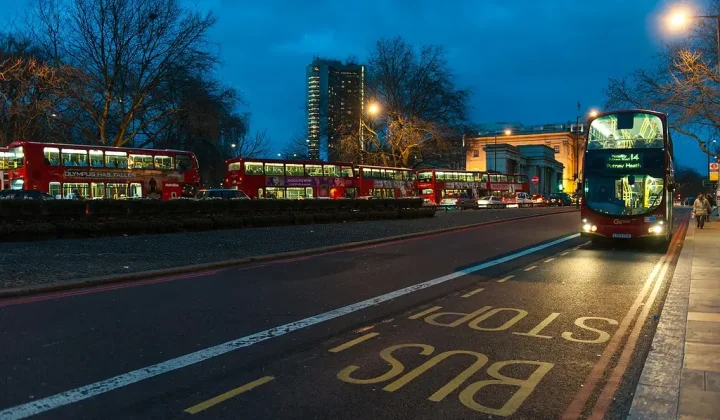
Lessons from Los Angeles: How housing policies can deter new development – a cautionary tale for London
Los Angeles developers are scaling back projects despite huge housing demand, blaming pandemic-era rent protections and a mansion tax that encourages small-scale…
Read update
Uber’s $10B robotaxi bet signals a shift in urban mobility, but London’s streets remain a different arena
Uber has announced a $10 billion investment in autonomous vehicles, intensifying the robotaxi race with Waymo, Zoox and Tesla. For London, the…
Read updateWiki relacionada

Urban Planning Terms: Density, Public Realm and Transit-Oriented Development
A living glossary for terms that appear again and again in planning and development stories.
Read update