
Los Angeles Metro Considers $100 Million for Freeway Expansion Amidst Climate Concerns
Los Angeles Metro is set to vote on over $100 million in funding for freeway widening projects, primarily focusing on the 91 Freeway, despite internal analyses linking such expansions to increased emissions.
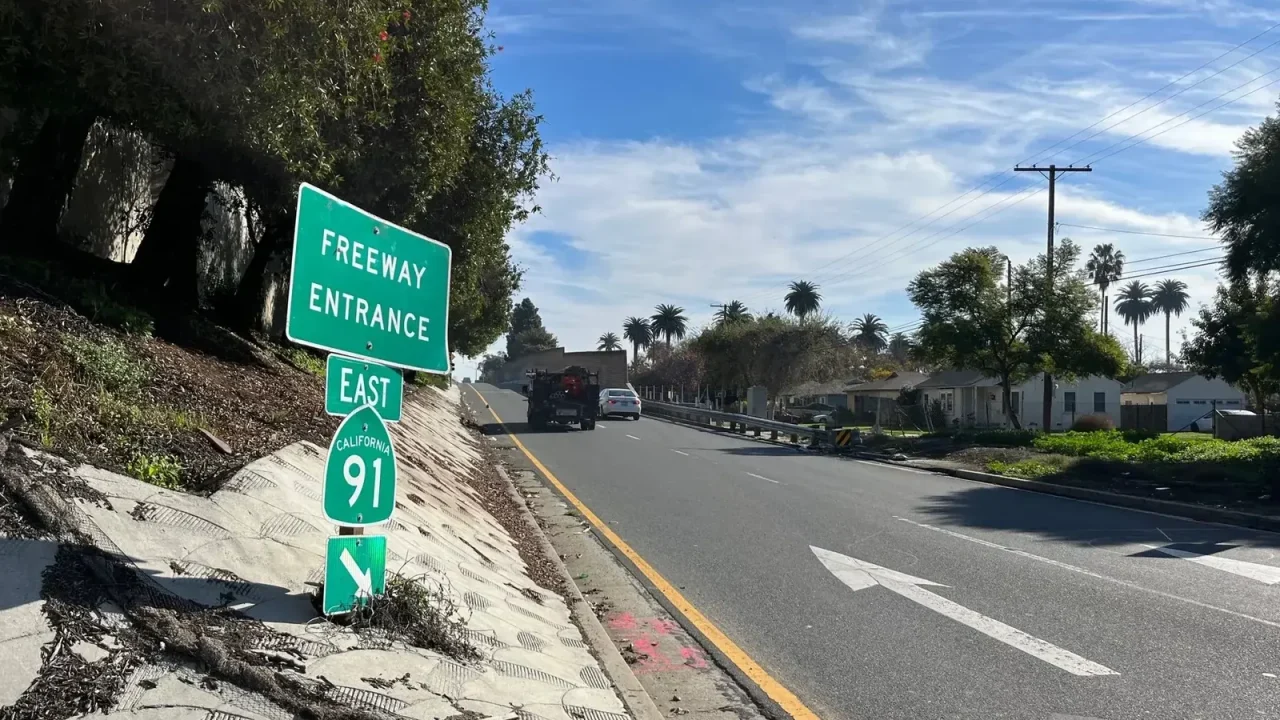
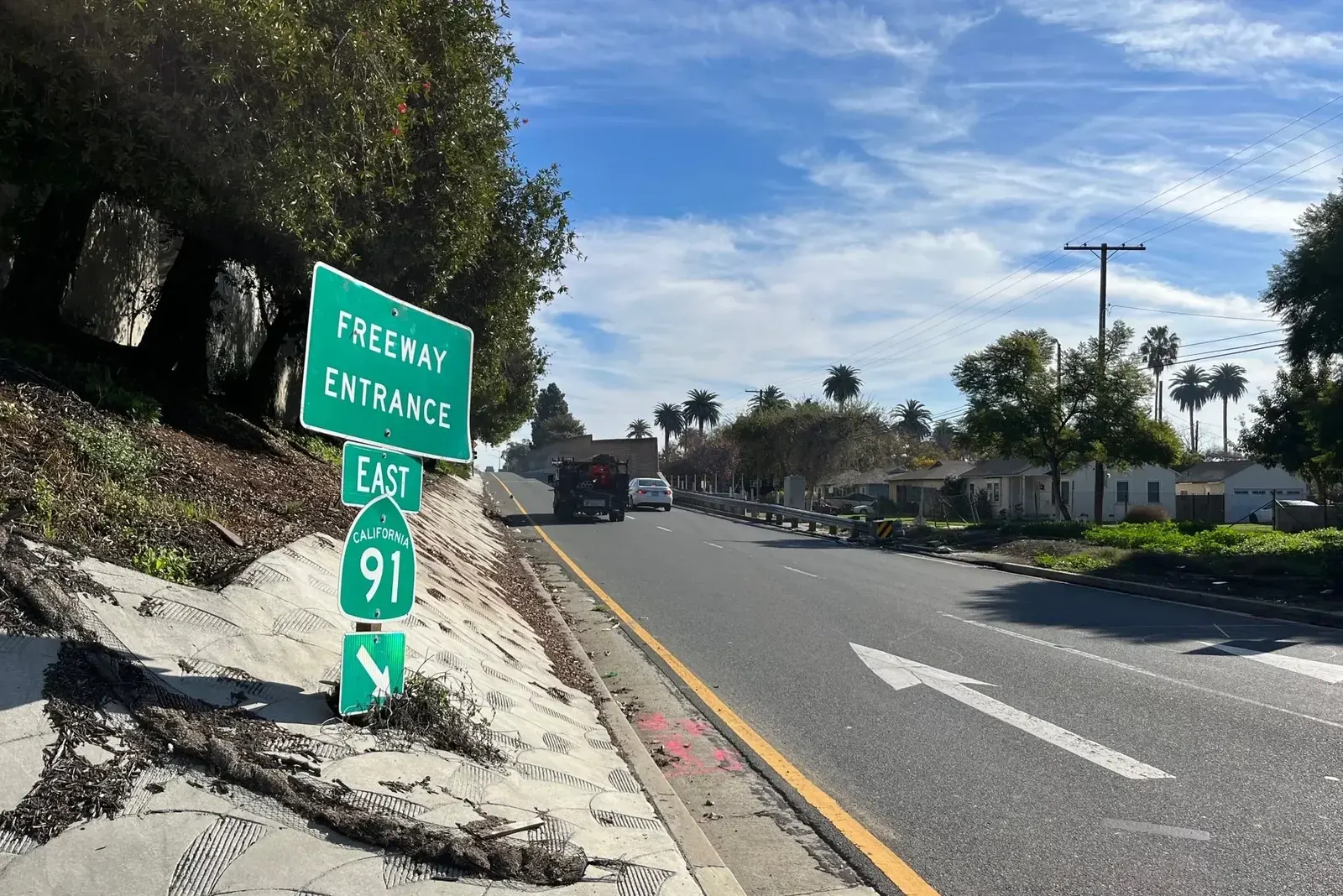
The Los Angeles County Metropolitan Transportation Authority (Metro) board is scheduled to consider approving more than $100 million for freeway expansion projects. This funding package, part of a larger $125+ million Measure R subregional highway program, includes significant investment in widening the 91 Freeway in areas of North Long Beach, Artesia, and Cerritos.
The decision comes as Metro’s own analyses have indicated that its freeway capacity expansion projects contribute more to global warming emissions than its transit projects do to mitigating them. This environmental concern is compounded by the fact that some of these projects were previously cancelled following community protests.
Freeway Widening Under Scrutiny
The proposed funding was advanced by Metro’s Planning and Programming Committee earlier this week. The committee approved the item with a 4-1 vote, with Boardmembers Jacquelyn Dupont-Walker, Holly Mitchell, Ara Najarian, and Hilda Solis voting in favour. Supervisor Lindsey Horvath cast the dissenting vote, opposing the freeway widening. The full Metro Board is expected to vote on the allocation at their July 23 meeting.
One of the projects receiving additional funds is a freeway widening that Supervisor Janice Hahn had previously halted after North Long Beach communities voiced opposition. The current proposal aims to move forward with this and other widening efforts.
Equity and Environmental Justice Concerns
A significant point of contention is Metro’s approach to equity and environmental justice. The agenda item includes an analysis of how the projects align with Metro’s Equity Platform, which aims to assess impacts on underserved communities of color, referred to as Equity Focus Communities (EFCs). However, critics argue that these analyses are insufficient and even misleading when it comes to freeway expansion.
Metro’s analysis reportedly suggests that widening freeways can support EFCs by enhancing safety, accessibility, and efficiency. Yet, the report does not explicitly address the potential negative impacts of increased tailpipe pollution on communities already burdened by poor air quality. Several EFCs are mentioned in relation to other projects, but communities along the 91 and 605 freeways, where some of the current expansion projects are located, are notably omitted.
Metro’s stated approach is to delegate community outreach to local agencies. The agency asserts that “These locally determined and prioritized projects reflect the needs of the communities they serve.” This delegation of responsibility and the framing of freeway widening as beneficial to EFCs have drawn criticism from urbanism advocates and community groups who argue that Metro should take greater responsibility for the direct impacts of its infrastructure decisions.
The decision before the Metro Board on July 23 presents a choice between investing in projects that may exacerbate environmental and equity issues or re-evaluating priorities to better align with sustainability and justice goals. The agency’s own data suggests a conflict between its climate goals and its freeway expansion plans.
Key facts
| Project | Funding Consideration | Primary Focus | Environmental Concern | Equity Analysis |
|---|---|---|---|---|
| Freeway Expansion Program | $100+ Million | Widening 91 Freeway and others | Increased global warming emissions | EFCs potentially harmed by pollution; outreach delegated to local agencies |
| Measure R Subregional Program | $125+ Million | Highway improvements | Contradicts climate mitigation goals | EFCs mentioned, but specific project communities omitted in analysis |
This decision highlights a recurring tension in urban transportation planning: the perceived need for increased road capacity versus the urgent requirements for climate action and environmental justice. For London and other global cities grappling with similar challenges, the methodology and outcomes of Metro’s discussions offer a case study in the complex trade-offs involved in infrastructure investment. The fundamental question remains whether the expansion of road networks, particularly through communities already facing environmental challenges, aligns with long-term urban sustainability and equity objectives.
Source: Streetsblog LA – Metro Board to Consider Approving $100 Million for Freeway Expansion, https://la.streetsblog.org/2026/07/17/metro-board-to-consider-approving-100-million-for-freeway-expansion
Fuente
Streetsblog LA Publicacion original: 2026-07-17T23:49:29+00:00
Related updates
No London Story: Streetsblog SF Roundup Falls Outside Editorial Beat
London Urbanism Desk cannot publish this Streetsblog SF roundup because none of the three Bay Area stories – water shuttle, Sunset Dunes,…
Read update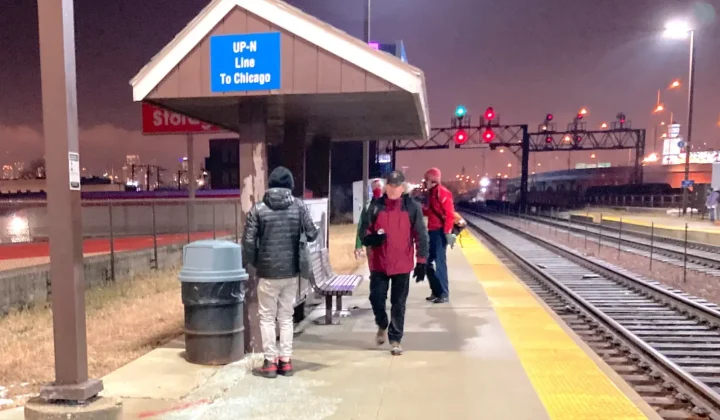
What Chicago’s Clybourn station study could teach London about transit accessibility and station relocation
A feasibility study for Chicago’s 1900-built Clybourn station is weighing relocation vs. retrofit. The trade-offs – accessibility, platform length, multimodal links, and…
Read update
Story Rejected – Off-Topic for London Urbanism Desk
A Seattle-based story on universal school meal funding does not fit the London urbanism beat. This editorial note explains why the item…
Read update
Issaquah ADU Self-Certification: A US Model With Limited London Parallel
The Washington city becomes the first to let architects self-certify backyard cottage plans under a 2025 state law. The programme has no…
Read updateWiki relacionada

Urban Planning Terms: Density, Public Realm and Transit-Oriented Development
A living glossary for terms that appear again and again in planning and development stories.
Read update