
San Francisco Transit Authority Shares Lessons on Service Recovery and Maintenance from Pandemic
SFMTA's Director of Transportation discusses how the agency adapted during COVID-19, prioritising reliable service delivery and implementing innovative maintenance strategies for its aging infrastructure.
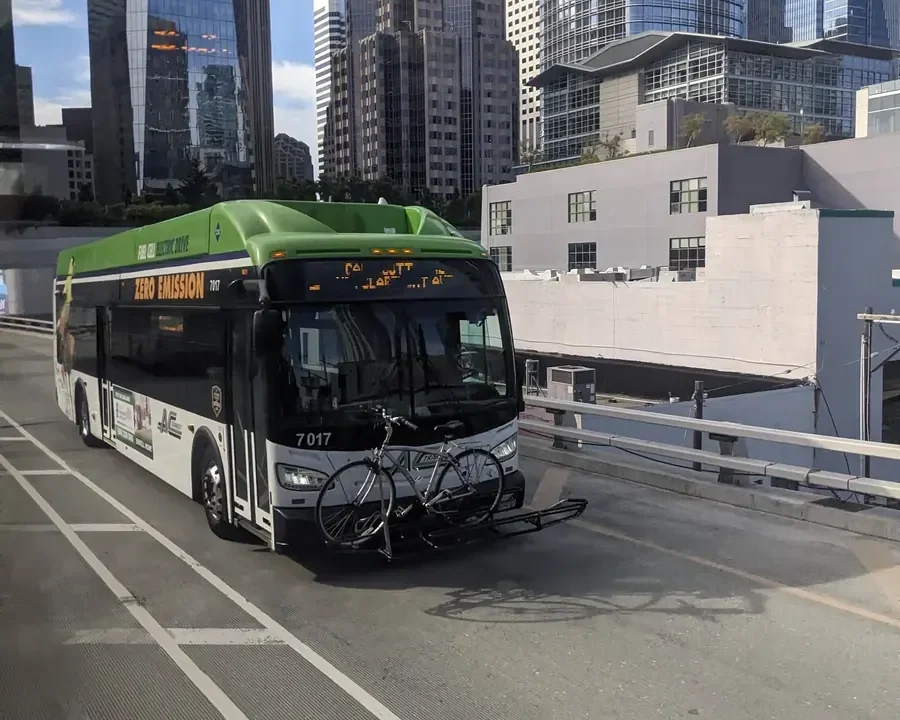
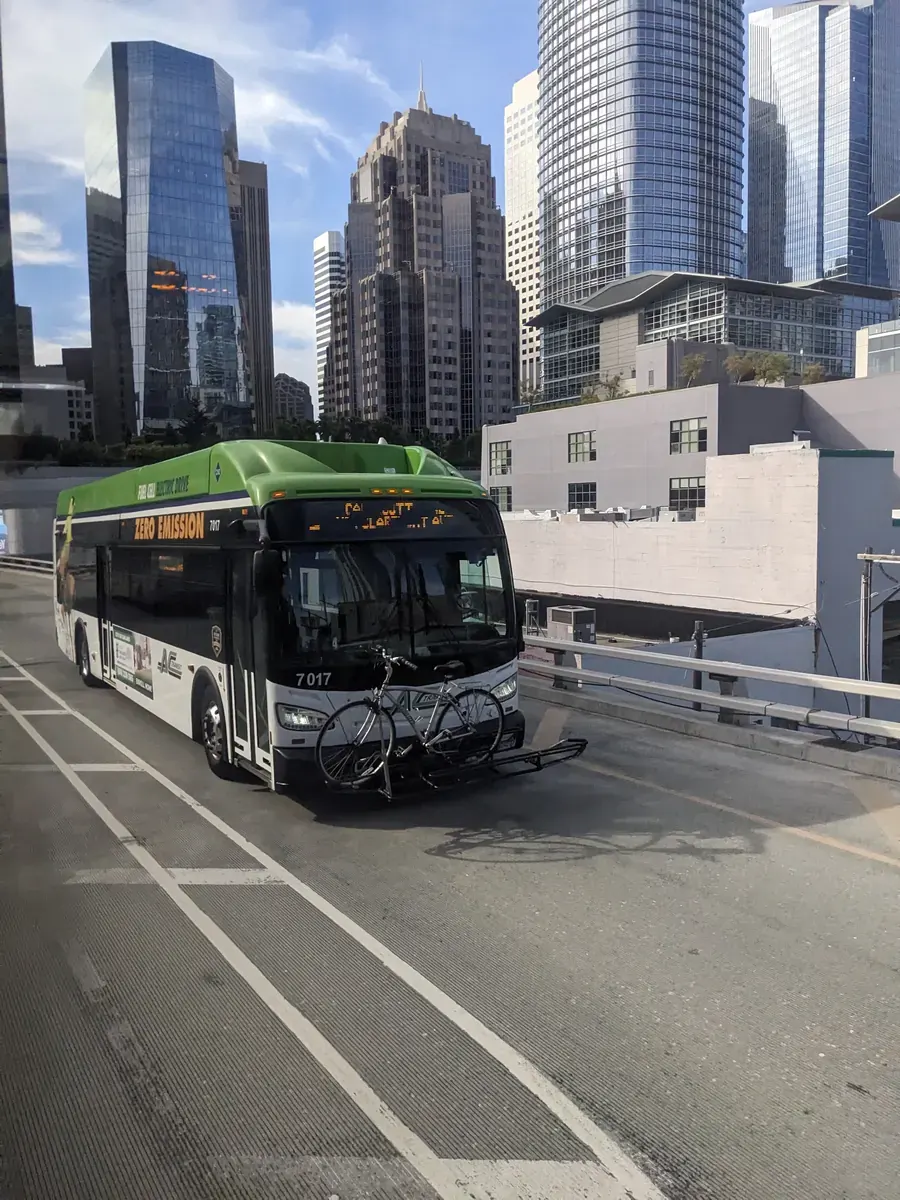
The San Francisco Municipal Transportation Agency (SFMTA) has shared key lessons learned from the COVID-19 pandemic, focusing on the critical importance of delivering reliable public transit service and the innovative approaches taken to maintain its aging infrastructure. Julie Kirschbaum, SFMTA’s Director of Transportation, discussed these insights on the Talking Headways podcast, highlighting how the agency adapted its operations and embraced new strategies to rebuild trust with its ridership.
Adapting Service Delivery
A significant takeaway for SFMTA was the necessity of aligning service delivery with operational capacity. Prior to the pandemic, the agency had more service scheduled on paper than it could consistently deliver. This gap led to unpredictable wait times for passengers, eroding customer trust. Kirschbaum explained that the pandemic provided an opportunity to fundamentally reassess and rebuild the system with a focus on reliability.
“Bringing back the service only at the pace where we could hire operators to deliver every single trip was a huge key to our success,” Kirschbaum stated. This deliberate approach ensured that scheduled trips were actually operated, leading to more consistent and predictable journey times for commuters. By matching service levels to available staff, SFMTA aimed to restore confidence in Muni’s ability to meet daily travel needs for work, school, and appointments.
The agency also experimented with new operational strategies during this period. These included the implementation of new transit-only lanes to improve speed and reliability, leveraging technology beyond traditional paper schedules for service delivery, and introducing a “Fix It Week” program for essential maintenance.
Innovative Maintenance Strategies
Maintaining an aging transit system presents ongoing challenges, particularly with limited windows for critical work. Kirschbaum detailed how the SFMTA’s “Fix It Week” program has been instrumental in addressing these issues, especially for the Muni Metro subway system.
Traditionally, the operational window for maintenance on weekdays is a mere two to three hours per night. When factoring in the time required to safely power down the system for work and then power it back up, the actual available maintenance time is reduced to just 45 minutes to an hour. This brief period is insufficient for conducting deep, proactive maintenance.
The “Fix It Week” concept transforms this by extending the work window significantly. By bringing day crews in to work overnight during specific periods, SFMTA can achieve hundreds of labor hours within an eight-hour timeframe. This allows for comprehensive work across various parts of the system simultaneously, including tunnels, stations, and fan rooms.
This approach mirrors the maintenance practices already in place for the agency’s bus fleet, which benefits from a more modular design making maintenance planning easier. The “Fix It Week” program enables SFMTA to perform proactive maintenance on its fixed infrastructure, preventing potential failures and ensuring the long-term operational health of the subway system. This strategy is crucial for a system that has been operating for many years and requires continuous attention to prevent breakdowns.
Key facts
| Aspect | Detail |
|—|—|
| Agency | San Francisco Municipal Transportation Agency (SFMTA) |
| Speaker | Julie Kirschbaum, Director of Transportation |
| Podcast | Talking Headways |
| Key Learnings | Aligning service delivery with capacity, prioritizing reliability, innovative maintenance |
| Maintenance Program | “Fix It Week” for subway infrastructure |
| Impact | Improved customer trust, more predictable service, proactive infrastructure upkeep |
The lessons learned by SFMTA during the pandemic offer valuable insights for urban transit agencies globally. The emphasis on reliable service delivery, supported by adequate staffing and operational capacity, is fundamental to rebuilding ridership and public confidence. Furthermore, the innovative maintenance strategies developed by SFMTA demonstrate how agencies can overcome infrastructure challenges and ensure the long-term sustainability of vital public transit networks, even with limited operational windows.
Source: Streetsblog USA, https://usa.streetsblog.org/2026/07/16/talking-headways-podcast-muni-covid
Datos clave
| Punto | Detalle |
|---|---|
| Fuente | Streetsblog USA |
| Fecha | 2026-07-16T17:13:47+00:00 |
| Tema | Talking Headways Podcast: What San Francisco’s Muni Learned from COVID |
Fuente
Streetsblog USA Publicacion original: 2026-07-16T17:13:47+00:00
Related updates

Clyde Hill’s Affordable Housing Settlement Offers a Case Study in State-Led Planning Pressure
The wealthy Seattle suburb is close to settling a legal challenge over its growth plan by offering developers extra building rights in…
Read updateODOT cost reporting obscures 60% overrun on Oregon highway project, raising questions about transport transparency
An Oregon highway widening project hailed as a budget success actually ran more than 60% over its original cost estimate, according to…
Read update
Austin moves to close 25-square-foot loophole in rental housing mould rules
Austin, Texas, is drafting new city code to replace a state rule that requires landlords to act only when mould covers 25…
Read update
US mayors rank housing affordability as top crisis as costs squeeze cities
A new survey from the US Conference of Mayors finds affordable housing leading city leaders’ concerns as the rising cost of living…
Read updateWiki relacionada
Urban Planning Terms: Density, Public Realm and Transit-Oriented Development
A living glossary for terms that appear again and again in planning and development stories.
Read update