
Chicago Mayoral Candidate Proposes Five Commonsense Solutions for CTA Safety and Cleanliness
A Chicago mayoral candidate has put forward a five-point plan addressing safety concerns and cleanliness issues on the city's public transit system, the CTA, in an op-ed for Streetsblog Chicago.
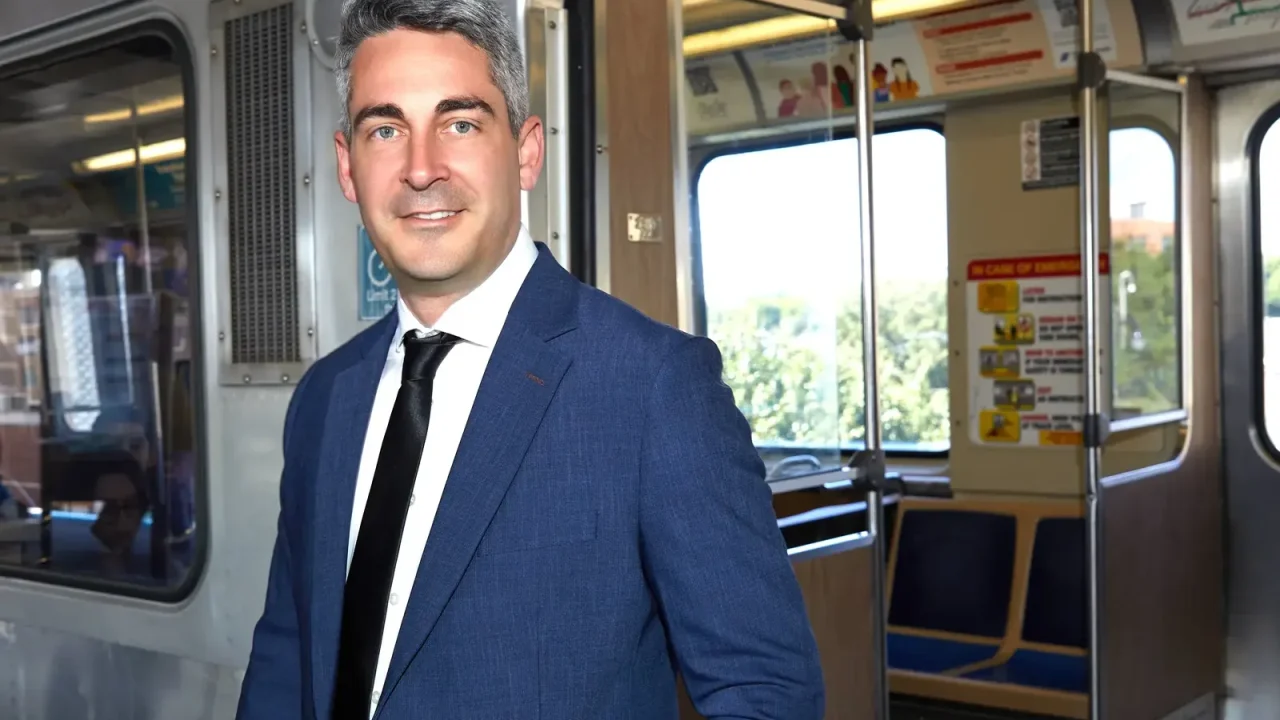
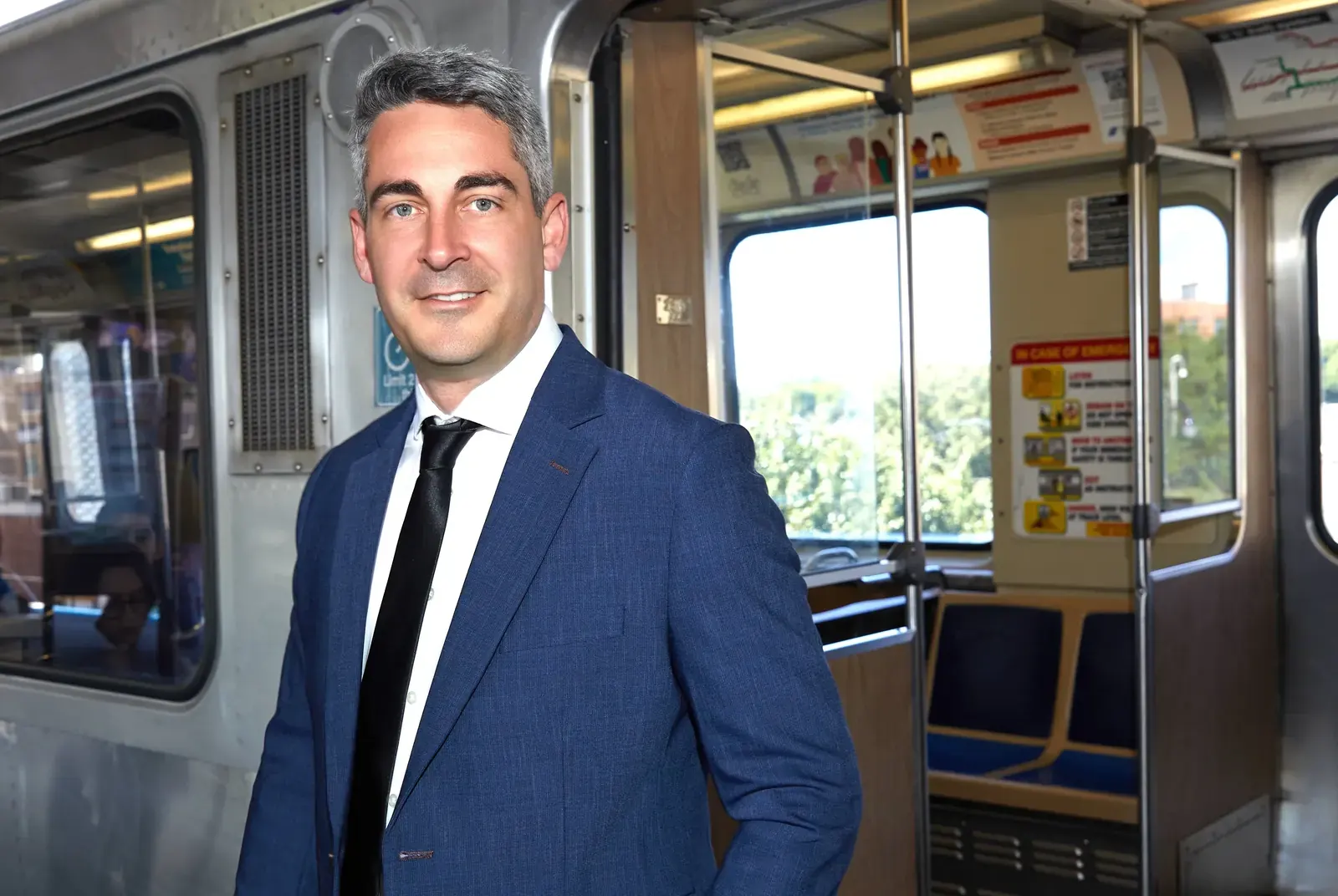
A mayoral candidate in Chicago has articulated a direct plan to tackle pressing issues of safety and cleanliness plaguing the Chicago Transit Authority (CTA). Joe Holberg, a daily rider himself, published an op-ed in Streetsblog Chicago detailing five “commonsense solutions” aimed at restoring confidence in the public transit system.
Holberg’s proposals come amidst rising concerns over crime and fare evasion on the CTA. He points to data indicating a significant increase in aggravated assaults and batteries on the system over the past decade, nearing 2,900 reported crimes at stations and platforms in the previous year. While acknowledging recent statements from CTA leadership about a reduction in major crime in June 2026 compared to the previous year, Holberg highlights persistent problems like widespread fare evasion, with rates reported as high as 80-90 percent on some lines.
He criticizes the current administration’s response as “deny, deflect, and minimize,” referencing incidents such as a woman being set on fire on a Blue Line train in November 2025 and the Federal Transit Administration’s rejection of the CTA’s initial security plan. Holberg argues that these issues are not abstract problems but are visibly experienced by millions of daily riders.
“I ride the CTA every day. Like millions of Chicagoans, I’ve witnessed screaming commuters, and trash and human waste on floors, seats, and windows. I’ve seen riders moving freely between railcars hawking goods, drinking openly, harassing fellow passengers, and committing acts of violence,” Holberg writes, describing a transit experience often marred by the smell of smoke and an underlying anxiety.
His proposed solutions focus on immediate, practical interventions rather than broad, long-term strategies.
Clean the Trains
Holberg’s first proposal is to implement a system of roving cleaners who would service train cars mid-route. He argues that this proactive approach to cleaning, addressing the worst-affected cars in real time, would be more cost-effective than the long-term loss of ridership due to unpleasant conditions. The current practice of cleaning only during terminal turnarounds is insufficient to combat the immediate sensory issues riders face.
Modernise Station Gates
To address the rampant fare evasion, Holberg advocates for the installation of floor-to-ceiling entry gates, similar to those used in New York City. These gates, he suggests, would be more difficult to bypass and would also be more accessible for individuals with mobility needs. Controlling access to the system, he believes, is fundamental to improving the overall environment. The CTA has recently acknowledged this issue, seeking proposals for innovative fare payment and entry features through its Innovation Studio.
Install Smoke Sensors
Following the example of cities like New York, Denver, and Albuquerque, Holberg proposes installing smoke sensors throughout the CTA system. He notes that while cameras are widespread, the absence of smoke detection allows for the open use of cigarettes and cannabis, creating an unpleasant and unhealthy environment for passengers. These sensors would alert conductors and transit security in real time, offering a low-cost, high-impact intervention.
Increase On-Train Security
Holberg argues that most major incidents occur within the trains themselves, not on platforms where security personnel are often stationed. He suggests a data-driven, randomized deployment of security officers onto train cars, focusing on routes and times with the highest incident rates. This model, he notes, has been successfully operated by systems like Berlin’s for decades, creating a deterrent effect on unruly behaviour and fare evasion.
Build a Rapid-Response Technology Layer
The final proposal involves integrating existing camera infrastructure with new technologies. This includes feeds from smoke detectors, a rider-reporting app for real-time issue flagging, and door sensors to monitor movement between cars. Centralizing these data streams, Holberg contends, would provide dispatchers with a comprehensive overview of system activity, enabling faster and more effective responses to de-escalate situations before they worsen.
Holberg emphasizes that these are tested solutions, not theoretical concepts, and require the political will to implement. “These are tested solutions. The next mayor of Chicago must make the CTA a priority, not a talking point,” he concludes, stressing the importance of a safe and functional transit system for the city’s daily life and its millions of riders.
Key facts
| Proposal | Description | Example Cities |
| :————————– | :———————————————————————— | :——————– |
| Roving Cleaners | Mid-route cleaning of train cars to address immediate hygiene issues. | N/A |
| Modern Station Gates | Floor-to-ceiling turnstiles to prevent fare evasion and control access. | New York City |
| Smoke Sensors | Real-time detection and alerts for smoking on trains and in stations. | NYC, Denver, Albuquerque |
| On-Train Security | Data-driven, randomized deployment of security personnel on train cars. | Berlin |
| Rapid-Response Tech Layer | Integrated system of cameras, sensors, and rider reporting for dispatch. | N/A |
Source: Streetsblog Chicago – https://chi.streetsblog.org/2026/07/16/op-ed-from-mayoral-candidate-joe-holberg-chicago-deserves-a-safe-clean-cta-here-are-five-commonsense-solutions-from-a-daily-rider
Datos clave
| Punto | Detalle |
|---|---|
| Fuente | Streetsblog Chicago |
| Fecha | 2026-07-16T21:23:09+00:00 |
| Tema | Op-ed from mayoral candidate Joe Holberg: “Chicago deserves a safe, clean CTA. Here are five commonsense solutions from |
Fuente
Streetsblog Chicago Publicacion original: 2026-07-16T21:23:09+00:00
Related updates

Clyde Hill’s Affordable Housing Settlement Offers a Case Study in State-Led Planning Pressure
The wealthy Seattle suburb is close to settling a legal challenge over its growth plan by offering developers extra building rights in…
Read updateODOT cost reporting obscures 60% overrun on Oregon highway project, raising questions about transport transparency
An Oregon highway widening project hailed as a budget success actually ran more than 60% over its original cost estimate, according to…
Read update
Austin moves to close 25-square-foot loophole in rental housing mould rules
Austin, Texas, is drafting new city code to replace a state rule that requires landlords to act only when mould covers 25…
Read update
US mayors rank housing affordability as top crisis as costs squeeze cities
A new survey from the US Conference of Mayors finds affordable housing leading city leaders’ concerns as the rising cost of living…
Read updateWiki relacionada

Urban Planning Terms: Density, Public Realm and Transit-Oriented Development
A living glossary for terms that appear again and again in planning and development stories.
Read update