
San Francisco’s Muni Rail Faces Scrutiny for Exclusive Bike Ban
A new video highlights San Francisco's Muni rail system as the sole operator in the US with a blanket ban on bicycles, raising questions about accessibility and modern transit integration.
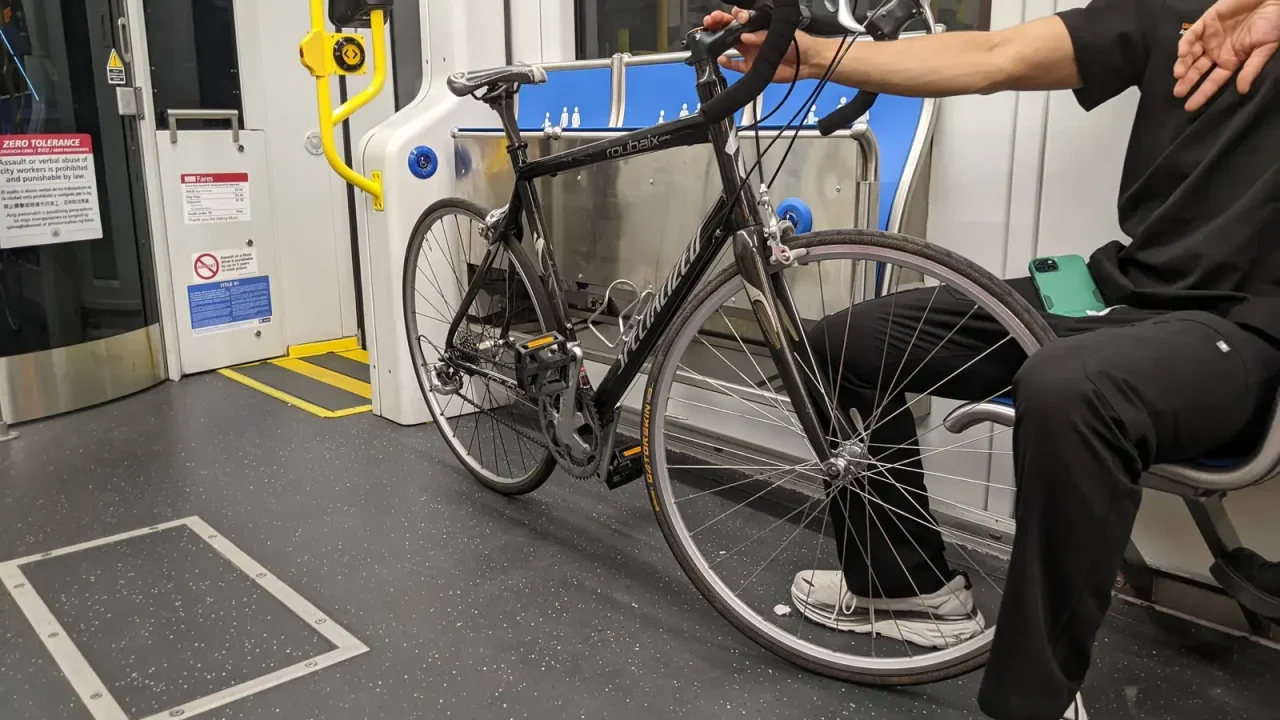
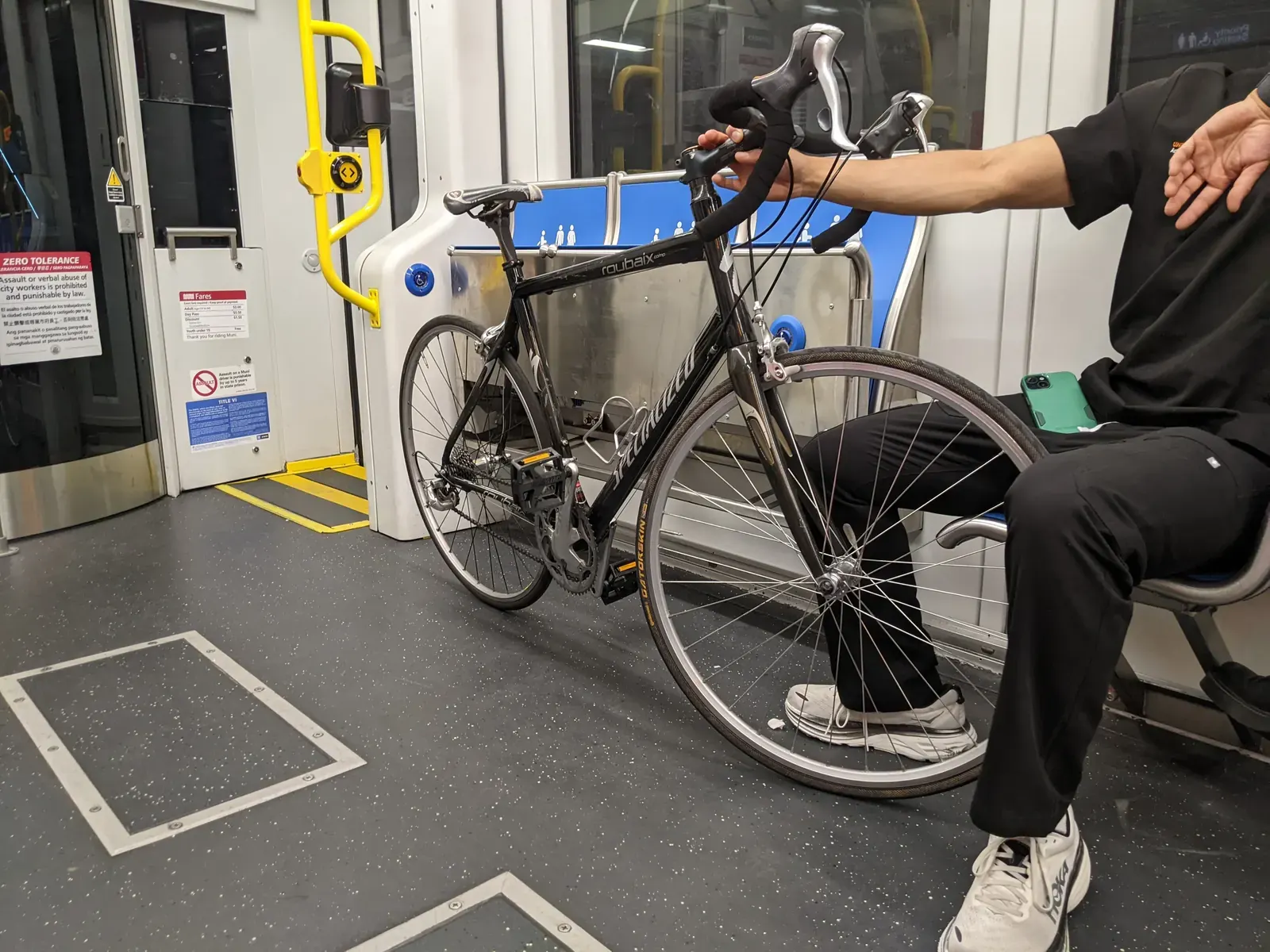
Muni Rail’s Strict Policy
San Francisco’s Municipal Railway (Muni) stands alone among American rail operators for its outright prohibition of bicycles on board its trains. This policy, highlighted in a recent video by Streetsblog San Francisco, contrasts sharply with practices in cities across the nation and internationally, where integrating cycling with public transit is increasingly seen as a key strategy for tackling the “last mile” problem and enhancing overall ridership.
The “last mile” challenge refers to the difficulty commuters face in traveling the distance between a public transit station and their final destination. By allowing bicycles on trains, transit agencies aim to make their systems more accessible and convenient for a wider range of users, encouraging more people to leave their cars at home. This integrated approach not only boosts ridership but also contributes to reducing traffic congestion and carbon emissions.
While many transit systems actively facilitate the combination of bike and train journeys, Muni’s blanket ban creates a significant barrier for cyclists attempting to use the rail network. This policy is particularly noteworthy given San Francisco’s reputation as a cycling-friendly city, with numerous bike lanes and a strong cycling culture. The continued enforcement of this ban raises questions about the city’s commitment to multimodal transportation and its alignment with broader urban mobility goals.
Global and National Context
Around the world, transit operators are increasingly recognizing the benefits of allowing bicycles on public transport. In many European cities, for example, it is common to see designated spaces for bicycles on trains and trams, often with no additional charge. This practice is viewed as a standard component of a sustainable and integrated transportation network.
In the United States, while policies vary, a growing number of transit agencies have adopted more accommodating approaches. Many systems allow bikes on buses and some have dedicated bike cars or spaces on their rail services. These policies are often driven by a desire to increase transit accessibility, support active transportation, and reduce reliance on private vehicles. The existence of a strict, system-wide ban on Muni rail therefore places San Francisco in a distinct and arguably outdated position.
Strengths and Weaknesses of the Ban
Proponents of such bans in other contexts have sometimes cited concerns about safety, capacity, and potential interference with other passengers. However, Streetsblog San Francisco’s video suggests that these concerns have been effectively managed by other rail operators that permit bikes. The argument presented is that the absence of bikes on Muni rail does not necessarily translate to a safer or more efficient system, but rather to a less accessible one.
The policy’s impact extends beyond individual inconvenience. It can discourage potential riders who rely on cycling for part of their commute, thereby limiting the reach and effectiveness of the Muni rail system. Furthermore, in an era where cities are striving to promote sustainable transport options, a policy that restricts the use of bicycles on public transit can be seen as counterproductive.
The appeal of integrating cycling and rail is multifaceted. It offers a solution for commuters living or working outside of easy walking distance to stations, and it provides a viable alternative for those who wish to travel longer distances without a car. The ban on Muni rail effectively negates these benefits for its rail passengers.
Moving Forward
The Streetsblog San Francisco video serves as a call to action, urging Muni to re-evaluate its policy and align with the progressive transit practices seen elsewhere. The piece implicitly argues that updating this policy would not only improve the usability of the Muni system but also reinforce San Francisco’s commitment to sustainable urban development and active transportation. The question remains: when will Muni rail get with the program and allow bicycles on board?
Key facts
| Aspect | Detail |
|—|—|
| Transit System | Muni Rail, San Francisco |
| Policy | Blanket ban on bicycles |
| Comparison | Only rail operator in America with this ban |
| Source | Streetsblog San Francisco video |
| Implication | Reduced accessibility, contravenes multimodal transport goals |
This situation presents a clear point of friction for urban planners and transport advocates in San Francisco. The continued exclusion of bicycles from Muni rail directly impacts the city’s ability to foster seamless connections between different modes of transport. For residents and visitors who cycle, this policy creates an unnecessary hurdle, potentially diminishing the attractiveness of public transit as a comprehensive travel solution. The policy’s longevity, despite the widespread adoption of bike-friendly measures by other transit agencies, suggests a need for a thorough review of its rationale and its consequences for urban mobility in San Francisco.
Source: Streetsblog SF, https://sf.streetsblog.org/2026/07/15/video-why-is-muni-the-only-rail-operator-in-america-that-bans-bikes
Datos clave
| Punto | Detalle |
|---|---|
| Fuente | Streetsblog SF |
| Fecha | 2026-07-15T20:05:13+00:00 |
| Tema | Video: Why is Muni the Only Rail Operator in America That Bans Bikes? |
Fuente
Streetsblog SF Publicacion original: 2026-07-15T20:05:13+00:00
Related updates

Clyde Hill’s Affordable Housing Settlement Offers a Case Study in State-Led Planning Pressure
The wealthy Seattle suburb is close to settling a legal challenge over its growth plan by offering developers extra building rights in…
Read updateODOT cost reporting obscures 60% overrun on Oregon highway project, raising questions about transport transparency
An Oregon highway widening project hailed as a budget success actually ran more than 60% over its original cost estimate, according to…
Read update
Austin moves to close 25-square-foot loophole in rental housing mould rules
Austin, Texas, is drafting new city code to replace a state rule that requires landlords to act only when mould covers 25…
Read update
US mayors rank housing affordability as top crisis as costs squeeze cities
A new survey from the US Conference of Mayors finds affordable housing leading city leaders’ concerns as the rising cost of living…
Read updateWiki relacionada

Urban Planning Terms: Density, Public Realm and Transit-Oriented Development
A living glossary for terms that appear again and again in planning and development stories.
Read update