
NHTSA Probes Self-Driving Vehicle Interference with Emergency Services
The National Highway Traffic Safety Administration (NHTSA) is investigating reports of autonomous vehicles obstructing emergency responders, a significant concern for public safety in urban environments.

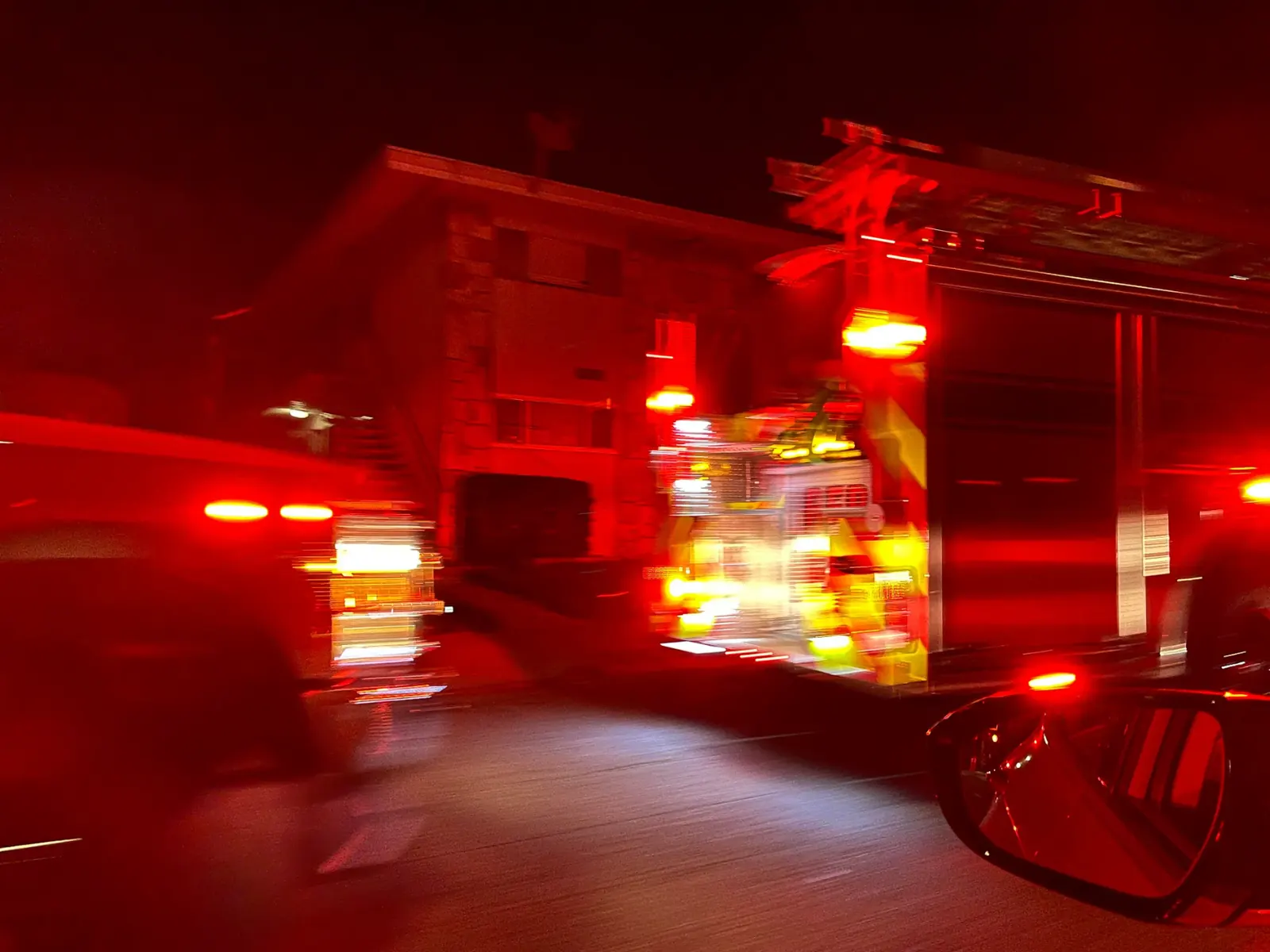
The National Highway Traffic Safety Administration (NHTSA) is actively investigating a growing concern: the potential for self-driving cars to obstruct emergency responders. This issue has significant implications for public safety in urban areas, where rapid access for ambulances, fire trucks, and police vehicles is critical.
The agency’s focus stems from reports indicating that autonomous vehicles, in certain situations, may not yield or move effectively to allow emergency vehicles to pass, potentially delaying vital response times. While the technology aims to improve road safety, this specific interaction highlights a gap in current autonomous driving system programming and urban integration.
Emergency Vehicle Access
Emergency services rely on clear and unobstructed routes to reach incidents quickly. This involves other road users making space, often by pulling over to the side of the road. If self-driving vehicles are unable to interpret these cues or react appropriately, they could inadvertently create significant roadblocks. This is particularly concerning in dense urban environments where streets can be narrow and traffic congestion is common.
The NHTSA’s investigation will likely examine the operational parameters of various autonomous vehicle systems, focusing on how they are programmed to interact with emergency signals and maneuvers. Understanding the specific scenarios where interference occurs is crucial for developing effective solutions.
Data Collection and Analysis
As part of its probe, the NHTSA is expected to gather data from a range of sources. This may include incident reports, data logs from autonomous vehicle manufacturers, and potentially public feedback. The agency will be looking to quantify the extent of the problem and identify common patterns or contributing factors. This data-driven approach is essential for informing any regulatory or technological adjustments.
The implications of this investigation extend beyond the immediate safety concerns. It could influence the future development and deployment of autonomous vehicle technology, potentially leading to new standards or requirements for how these vehicles interact with public safety infrastructure and protocols.
Urban Planning and Technology Integration
For cities like London, where the integration of new mobility technologies is a key focus, this investigation serves as a timely reminder of the need for comprehensive planning. Urban planners and transport authorities must consider how emerging technologies like self-driving cars will interface with existing emergency response systems and infrastructure. This includes ensuring that road layouts, traffic management systems, and vehicle regulations accommodate not only the new technology but also the continued unimpeded operation of essential services.
The challenge lies in ensuring that technological advancements enhance, rather than compromise, the overall safety and efficiency of urban environments. This necessitates a collaborative effort between technology developers, regulators, and urban planning professionals.
The road ahead for widespread autonomous vehicle adoption will undoubtedly involve addressing such complex operational challenges. The NHTSA’s proactive investigation into this critical issue is a necessary step in ensuring that the future of urban mobility prioritizes the safety and well-being of all residents, especially during emergencies.
Key facts
| Aspect | Detail |
|---|---|
| Investigating Body | National Highway Traffic Safety Administration (NHTSA) |
| Primary Concern | Autonomous vehicles obstructing emergency responders |
| Potential Impact | Delays in emergency response times, reduced public safety |
| Next Steps | Data collection, analysis of vehicle programming, potential new standards |
The investigation by the NHTSA into self-driving cars’ interference with emergency services highlights a crucial intersection of technological advancement and public safety. It underscores the importance of considering the real-world operational challenges that autonomous vehicles may present in complex urban environments. For urban planners and policymakers, this situation emphasizes the need for robust integration strategies that ensure new mobility solutions complement, rather than hinder, the essential services that protect city residents.
Source: Streetsblog USA, https://usa.streetsblog.org/2026/07/14/tuesdays-headlines-get-out-of-the-way-2
Fuente
Streetsblog USA Publicacion original: 2026-07-14T04:01:00+00:00
Related updates

Clyde Hill’s Affordable Housing Settlement Offers a Case Study in State-Led Planning Pressure
The wealthy Seattle suburb is close to settling a legal challenge over its growth plan by offering developers extra building rights in…
Read updateODOT cost reporting obscures 60% overrun on Oregon highway project, raising questions about transport transparency
An Oregon highway widening project hailed as a budget success actually ran more than 60% over its original cost estimate, according to…
Read update
Austin moves to close 25-square-foot loophole in rental housing mould rules
Austin, Texas, is drafting new city code to replace a state rule that requires landlords to act only when mould covers 25…
Read update
US mayors rank housing affordability as top crisis as costs squeeze cities
A new survey from the US Conference of Mayors finds affordable housing leading city leaders’ concerns as the rising cost of living…
Read updateWiki relacionada

Urban Planning Terms: Density, Public Realm and Transit-Oriented Development
A living glossary for terms that appear again and again in planning and development stories.
Read update