
New York City Debates Red Tape Slowing Crucial Street Safety Projects
Residents and advocates urge Mayor Mamdani's commission to streamline approvals for street redesigns and outdoor dining, citing decades-old regulations that hinder vital safety improvements.
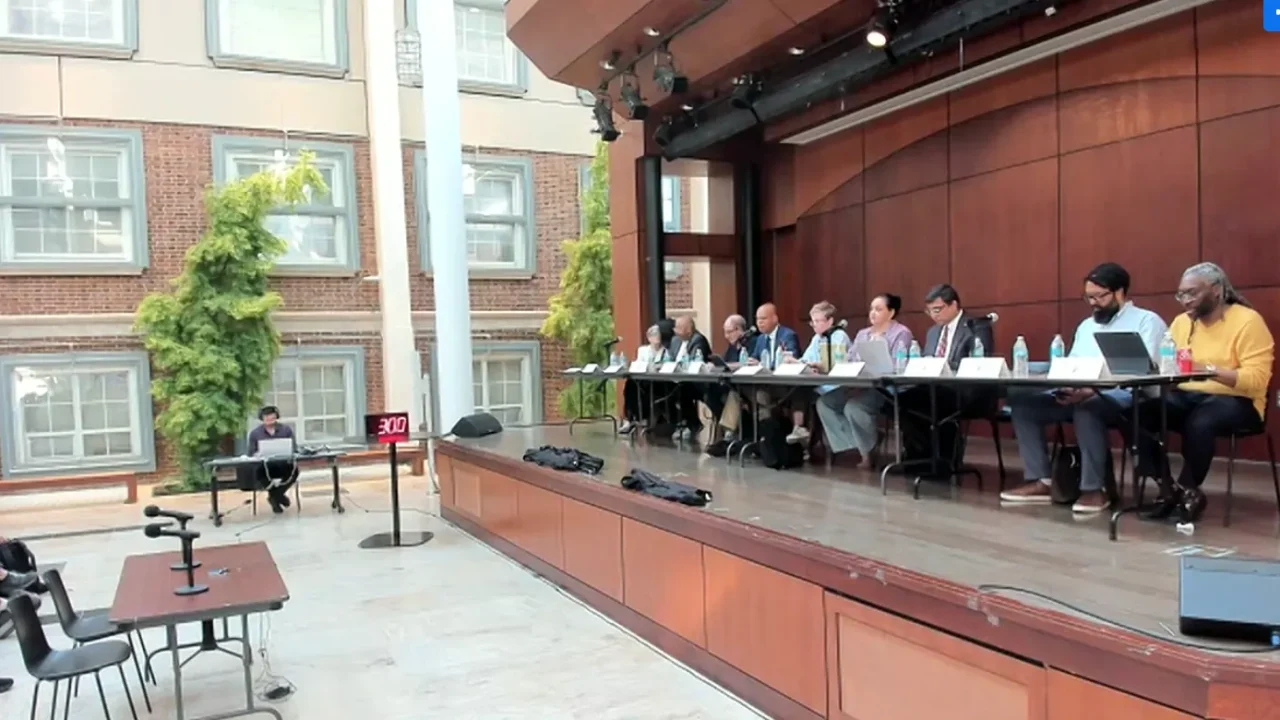
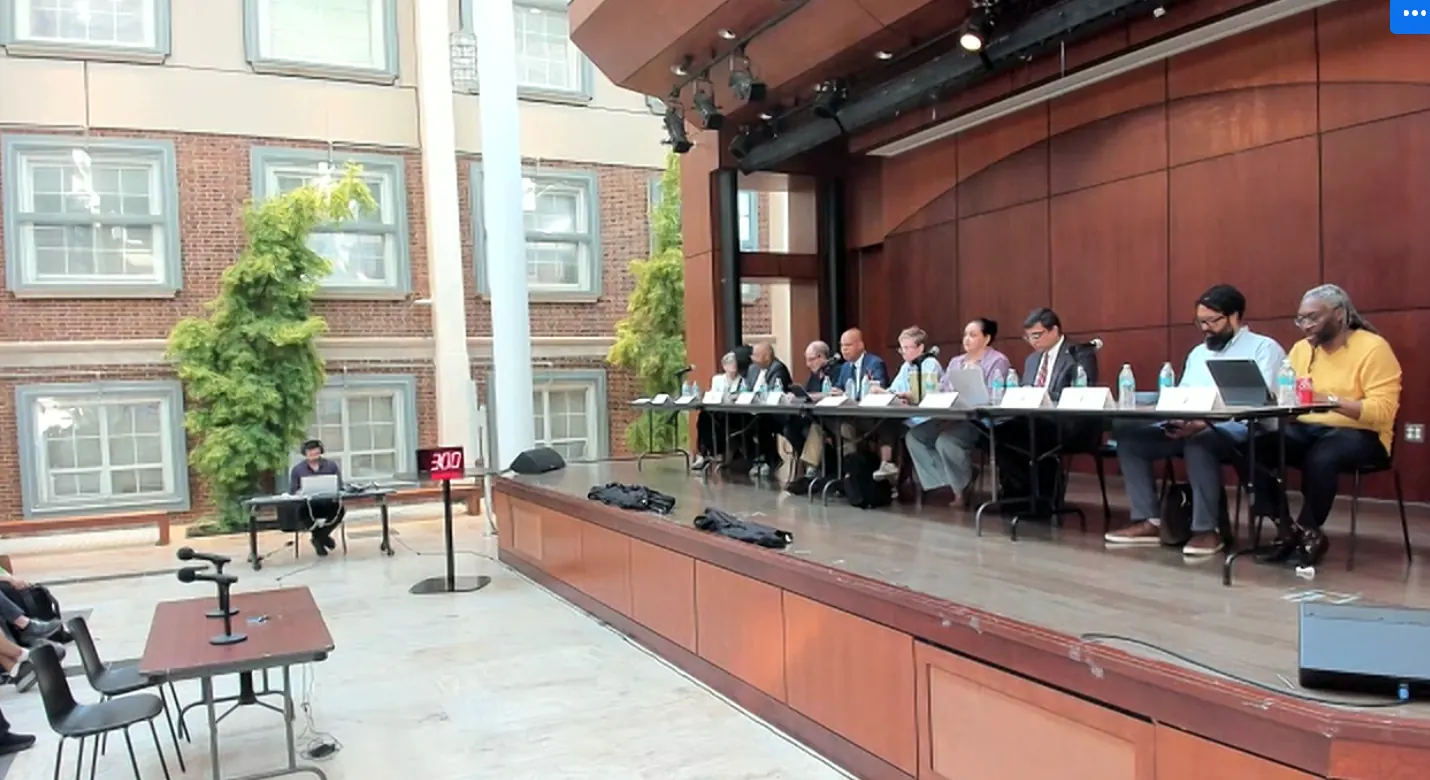
A mayoral commission in New York City is facing intense pressure from residents and urbanism advocates to dismantle bureaucratic obstacles that have significantly slowed down critical street redesign projects and the approval process for outdoor dining. Testimony before Mayor Mamdani’s Commission on Government Efficiency (COGE) highlighted how outdated regulations, particularly a Bloomberg-era law, are creating an “unsafe disaster” and hindering the city’s ability to implement vital safety improvements.
The push for reform comes as New Yorkers increasingly express frustration with the pace of streetscape changes. Advocates argue that the current system allows for excessive delays and empowers non-experts to impede the work of city planners and designers. This has led to a backlog of projects that could enhance safety for pedestrians and cyclists, and support local businesses.
Streamlining Street Redesigns
Central to the debate is a 2009 law that mandates extensive consultation with multiple city agencies for any street redesign project exceeding 1,000 feet, or roughly three blocks. This includes the Police Department, Fire Department, Department of Small Business Services, and the Mayor’s Office for People with Disabilities. Over the years, the City Council has added further layers of review, such as requiring written confirmation from “any affected firehouse” for roadwork.
The COGE panel has acknowledged that these regulations lead to significant delays, drain city resources through repetitive feedback sessions, and ultimately result in fewer safety upgrades. The commission’s own paper noted that these requirements “delay critical safety upgrades, leading to fewer street safety redesigns, significant staff time used, and legal challenges that can cause substantial delays to important safety upgrades.”
Residents shared personal accounts of the impact of these delays. Steve Flack, a lifelong New Yorker, described the city’s streetscape as an “unsafe disaster,” stating, “the only way we can fix this is by fast-tracking streetscape changes.” He likened the pace of these changes to the notoriously slow M42 bus.
The commission is reportedly exploring ballot proposals for the November election aimed at removing these legislative roadblocks. This move aligns with Mayor Mamdani’s stated ambition to make New York City’s streets the “envy of the world.”
Physician Testimony on Safety Impact
The human cost of delayed street safety improvements was starkly illustrated by Dr. Rex Tai, an internal medicine physician at the city’s public hospital system. He testified about the life-altering injuries sustained by victims of traffic crashes, describing patients requiring long-term skilled nursing care for conditions such as respiratory failure and speech impairment. “These are patients that are not a constituency because they will never get out of bed, they will never vote, they will never speak again,” Dr. Tai stated, emphasizing that “the data from New York City and globally is clear about the value of street safety projects, and they should be able to move with all due haste.”
Local advocates echoed these concerns, pointing to specific projects in their neighborhoods that have languished for years. Meryl LaBorde, a street safety advocate from north Brooklyn, cited redesigns for Metropolitan Avenue and Grand Street, as well as efforts to make Morgan Avenue safer. Morgan Avenue was recently identified as the truck corridor with the highest rates of people killed or seriously injured in the city. “I know the folks at DOT are trying to do their jobs, but the current rules make it impossible for them to deliver projects in a timely manner, and they are often years behind on these projects,” LaBorde said.
Edgar Alfonseca, co-chair of Queens Community Board 6’s Transportation, Public Transit and Street Safety Committee, expressed his worry that existing laws continue to endanger families. “We’re putting families at risk unnecessarily, and I have to believe that it has to do with the major transportation infrastructure laws,” he said, urging the commission to consider communities like his that face significant red tape.
Outdoor Dining Reforms
Beyond street safety, the commission is also examining ways to simplify the application process for outdoor dining permits. The program, which saw a surge in participation during the pandemic, has significantly contracted under more restrictive rules implemented in 2023. These rules, enacted by the Mayor Eric Adams administration and City Council Speaker Adrienne Adams, limited roadway cafés to a seasonal program with a winter ban. Currently, only 1,405 establishments hold full licenses, a sharp decline from the up to 8,000 that participated during the pandemic era.
Political Pushback and Differing Views
While residents and advocates overwhelmingly supported the reforms, several local politicians voiced concerns, primarily centered on preserving their influence over projects. Council Member Lincoln Restler (D-Brooklyn Heights) advocated for working with the administration to amend processes legislatively but also criticized the mayor for not reining in the Fire Department’s criticism of bike lanes. He stated, “Community feedback on transportation projects is critical, and I’d be happy to work with the administration to further amend this process legislatively, while ensuring robust and timely community notifications remain.”
Council Member Frank Morano (R-Staten Island) characterized the commission’s plans as a “backdoor” for redesigns, arguing that reducing public review diminishes democracy. “When government hears fewer voices, publishes less information, or reduces meaningful public review, that isn’t necessarily efficiency. Sometimes it’s simply just less democracy,” Morano said.
The COGE commission’s review is ongoing, with its findings expected to inform potential ballot proposals for the upcoming election. The outcome will significantly shape how New York City approaches street safety improvements and supports its vibrant outdoor dining scene.
Key facts
| Area of Concern | Current Situation | Proposed Action |
|—|—|—|
| Street Redesign Approvals | Decades-old regulations requiring extensive inter-agency review, causing significant delays. | Streamlining processes to expedite safety improvements, potentially through ballot proposals. |
| Outdoor Dining Permits | Restrictive rules enacted in 2023 led to a sharp drop in licensed establishments. | Simplifying the application and review process for restaurants. |
| Political Influence | Some council members seek to retain oversight and influence over project approvals. | Commission aims to increase efficiency, potentially reducing some avenues of political influence. |
The proposed changes aim to create a more efficient system for implementing street redesigns, which are crucial for improving pedestrian and cyclist safety, reducing traffic injuries, and supporting climate resilience goals by encouraging active transportation. For outdoor dining, a streamlined process could help local businesses recover and thrive. The debate highlights the ongoing tension between the need for rapid urban development and the desire for thorough, inclusive public consultation.
Source: Streetsblog NYC, https://nyc.streetsblog.org/2026/07/14/unsafe-disaster-new-yorkers-ask-mamdani-charter-panel-to-cut-street-redesign-red-tape
Datos clave
| Punto | Detalle |
|---|---|
| Fuente | Streetsblog NYC |
| Fecha | 2026-07-14T04:03:00+00:00 |
| Tema | ‘Unsafe Disaster’: New Yorkers Ask Mamdani Charter Panel To Cut Street Redesign Red Tape |
Fuente
Streetsblog NYC Publicacion original: 2026-07-14T04:03:00+00:00
Related updates
Global City Rankings Put Human Capital and Quality of Life Ahead of Tax Cuts for Urban Success
Oxford Economics’ annual Global Cities Index of 1,000 cities finds that education and quality of life are the primary drivers of urban…
Read update
Clyde Hill’s Affordable Housing Settlement Offers a Case Study in State-Led Planning Pressure
The wealthy Seattle suburb is close to settling a legal challenge over its growth plan by offering developers extra building rights in…
Read updateODOT cost reporting obscures 60% overrun on Oregon highway project, raising questions about transport transparency
An Oregon highway widening project hailed as a budget success actually ran more than 60% over its original cost estimate, according to…
Read update
Austin moves to close 25-square-foot loophole in rental housing mould rules
Austin, Texas, is drafting new city code to replace a state rule that requires landlords to act only when mould covers 25…
Read updateWiki relacionada

Urban Planning Terms: Density, Public Realm and Transit-Oriented Development
A living glossary for terms that appear again and again in planning and development stories.
Read update