
Seattle Transit Measure Faces Debate Over Funding and Service Levels
Seattle City Council is considering amendments to a crucial transit funding measure that could determine the future of bus service expansion, with advocates urging councilmembers to maintain its full scope.
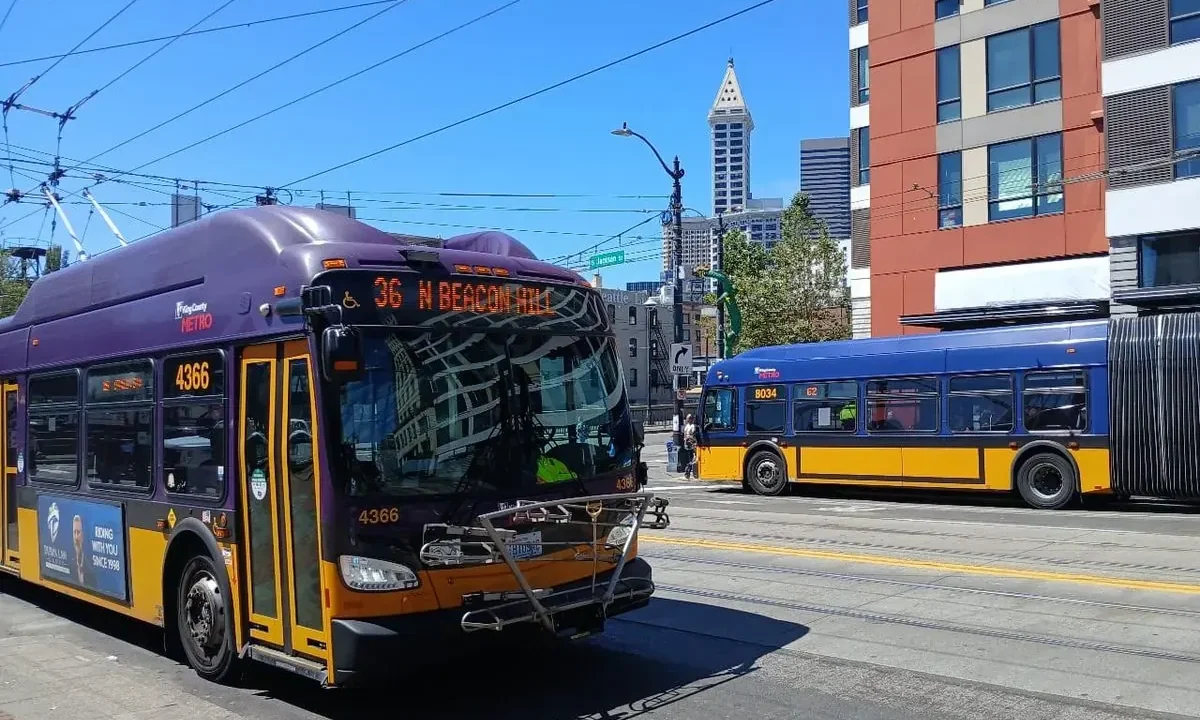
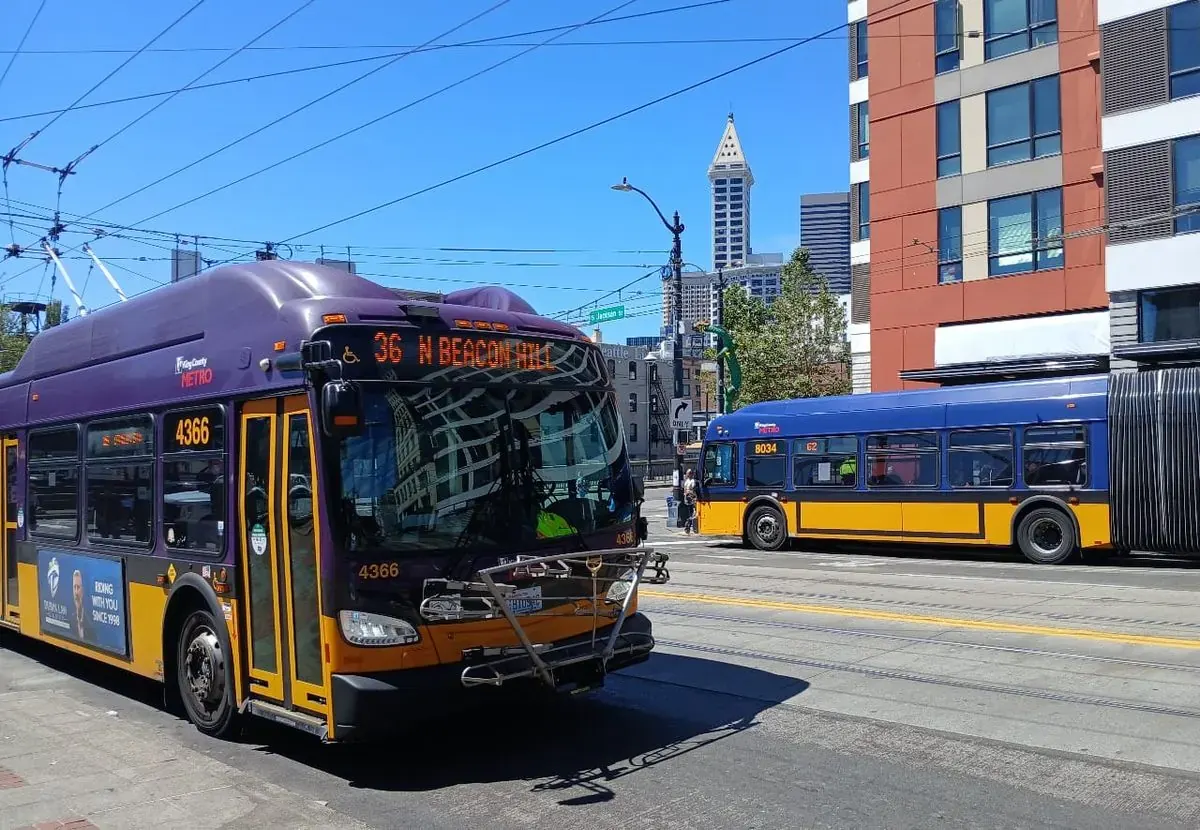
The future of bus service in Seattle is currently under intense debate as the City Council deliberates on amendments to the Seattle Transit Measure. This voter-approved levy is essential for funding additional bus services operated by King County Metro. With the current measure set to expire in early 2027, the Council is tasked with deciding whether to send a robust renewal proposal to voters this November or to approve amendments that could significantly curtail its scope and impact.
At the heart of the discussion is Mayor Katie Wilson’s baseline proposal, which includes a 0.15% sales tax increase over 10 years. This proposal aims to boost bus service by an estimated 100,000 annual trips, bringing Seattle closer to its goal of 89% completion of its Frequent Transit Network. It also plans to double the number of free ORCA cards for low-income riders to 22,000. The estimated cost for the median two-person household would be approximately $29 per year, with low-income households paying around $17 annually. The measure is designed to expand all-day, weekend, and night service, offering a more accessible and affordable alternative to car travel amidst rising gas prices.
Por que importa
However, a significant number of amendments—23 in total—have been introduced by Councilmembers. While some amendments are seen as strengthening the measure, such as increasing the guaranteed funding share for service from 60% to 75% and committing to explore progressive revenue sources to reduce reliance on the regressive sales tax, others pose potential risks to the proposed service expansion.
A critical amendment, Amendment 13 proposed by Councilmember Bob Kettle, seeks to reduce the measure’s revenue by one-third, lowering the sales tax from 0.3% to 0.2%. This reduction could lead to over 1 million lost service hours over the next decade compared to the original 0.3% proposal. Furthermore, due to inflationary pressures, a 0.2% measure might necessitate actual cuts to existing bus services and affordable fare programs, directly contradicting the goal of expanding transit access.
Contexto
Another amendment, Amendment 5 from Councilmember Rob Saka, proposes shortening the measure’s duration from the intended 10 years to under seven. This could force a costly special election for renewal, potentially leading to lower voter turnout and uncertainty for service planning. Additionally, Amendment 4, also from Councilmember Saka, would require the Council to approve all Seattle Transit Measure-funded service purchases by route and service hours on an annual basis. Critics argue this could transform vital service planning into an annual political battle, diverting attention from other pressing city priorities. The existing mechanisms for guiding transit investment, including the Seattle Transportation Plan, Comprehensive Plan, annual budget processes, and the service-purchase agreement with Metro, are already in place.
Transit advocates, such as Katy Ricchiuto, Policy Director for Transportation Choices Coalition, are urging the City Council to uphold the measure at its full scope and duration. They emphasize that fast, frequent, and reliable transit is fundamental to the city’s vitality and economic health. The public’s support for such measures has been strong in the past, with predecessors receiving 80% approval in 2020 and 60% in 2014. The call is for the Council to ensure the measure going before voters this November delivers the comprehensive bus service that Seattle residents need and deserve.
Key facts
| Aspect | Mayor’s Baseline Proposal | Councilmember Kettle’s Amendment 13 | Councilmember Saka’s Amendment 5 |
|---|---|---|---|
| Sales Tax Rate | 15% | 2% (reduced from 0.3%) | Not specified (duration affected) |
| Duration | 10 years | Not specified | Under 7 years |
| Estimated Service Impact | 100,000 annual trips | Over 1 million lost service hours | Potential service cuts |
| Free ORCA Cards (low-income) | 22,000 | Not specified | Not specified |
The debate over the Seattle Transit Measure highlights a critical juncture for the city’s public transportation network. The decisions made by the City Council will directly influence the accessibility, reliability, and scope of bus services for hundreds of thousands of Seattle residents. Maintaining the full proposed funding and duration is seen by advocates as crucial for achieving the city’s transit goals, supporting equitable access, and providing a viable alternative to private vehicle use. Conversely, proposed cuts could undermine existing service levels and hinder future expansion, impacting the city’s efforts to manage congestion and address climate resilience.
Source: The Urbanist, Op-Ed: We Can’t Afford to Shrink the Seattle Transit Measure, https://www.theurbanist.org/op-ed-we-cant-afford-to-shrink-the-seattle-transit-measure/
Fuente
The Urbanist Publicacion original: 2026-07-11T16:01:15+00:00
Related updates

Clyde Hill’s Affordable Housing Settlement Offers a Case Study in State-Led Planning Pressure
The wealthy Seattle suburb is close to settling a legal challenge over its growth plan by offering developers extra building rights in…
Read updateODOT cost reporting obscures 60% overrun on Oregon highway project, raising questions about transport transparency
An Oregon highway widening project hailed as a budget success actually ran more than 60% over its original cost estimate, according to…
Read update
Austin moves to close 25-square-foot loophole in rental housing mould rules
Austin, Texas, is drafting new city code to replace a state rule that requires landlords to act only when mould covers 25…
Read update
US mayors rank housing affordability as top crisis as costs squeeze cities
A new survey from the US Conference of Mayors finds affordable housing leading city leaders’ concerns as the rising cost of living…
Read updateWiki relacionada
Urban Planning Terms: Density, Public Realm and Transit-Oriented Development
A living glossary for terms that appear again and again in planning and development stories.
Read update