
Seattle Transit Records Highlight Event-Driven Ridership and Operational Challenges
Sound Transit achieved record light rail boardings during the World Cup, but an operational outage underscored the need for robust service reliability.
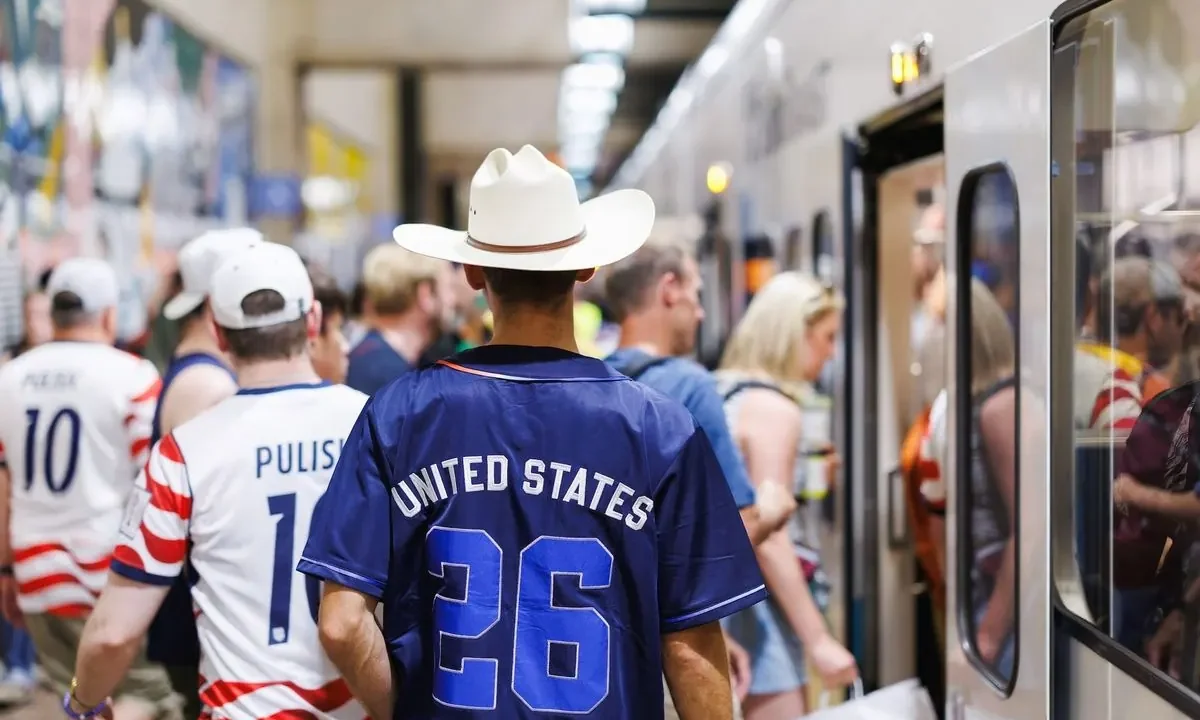
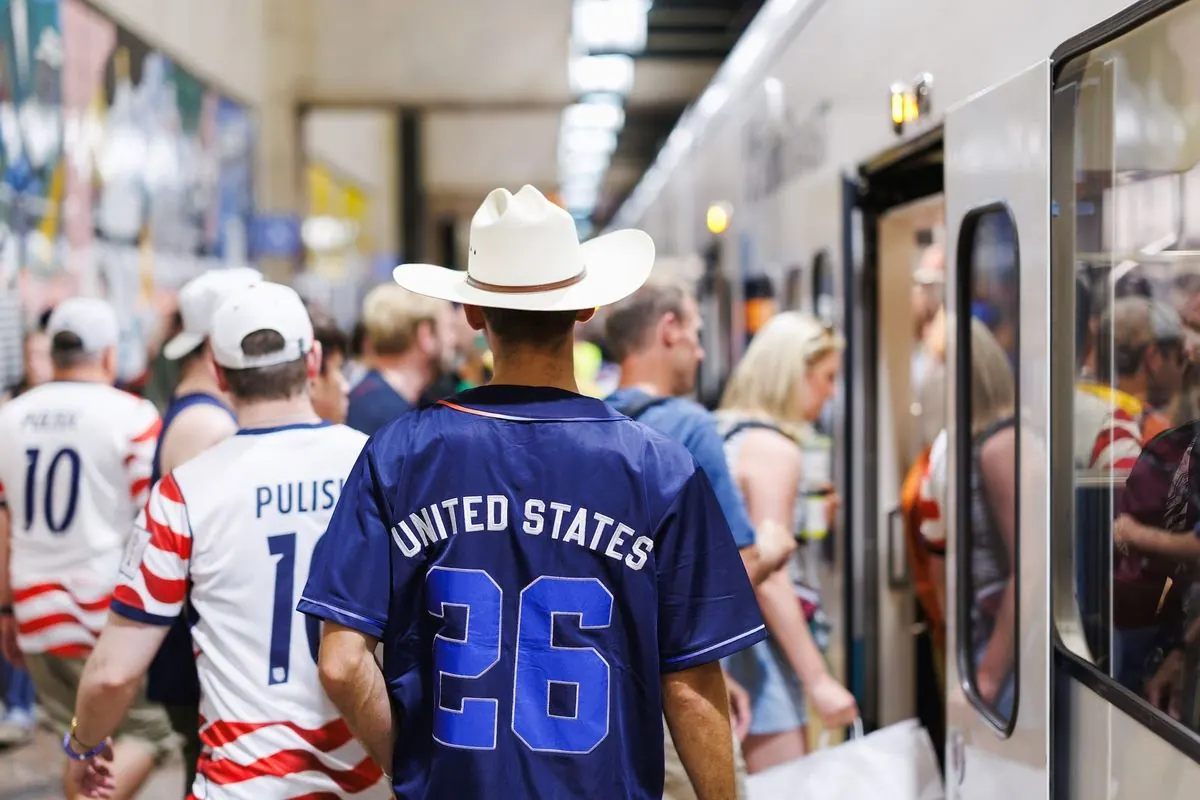
Sound Transit in Seattle has recorded unprecedented daily and monthly ridership figures, largely driven by the influx of visitors for the recent World Cup matches. The agency saw its light rail system serve a record 309,000 passengers on July 6 alone, surpassing a previous daily high set just weeks earlier. This surge contributed to an estimated 5.4 million boardings in June, also a new monthly record.
A New Baseline for Ridership
The consecutive record-breaking days indicate a potential shift in the baseline for public transit usage in the region. Sound Transit CEO Dow Constantine stated these figures are a “resounding endorsement of the value light rail adds to our region and its quality of life.” He highlighted how the system supports not only major events like the World Cup and Pride celebrations but also daily commutes, suggesting a sustained increase in ridership as the light rail network expands. The recent opening of the 2 Line, which connects across Lake Washington and integrates with the existing 1 Line, has created a high-demand corridor with frequent four-minute service during peak times. This expanded capacity and service frequency are likely contributing factors to the elevated ridership.
Event-Driven Demand
The World Cup proved to be a significant catalyst for public transit use in Seattle. Each of the city’s six match days saw light rail boardings exceed 200,000. Beyond light rail, the demand for shared mobility services also surged. Lime reported that four of its top five busiest ridership days in Seattle occurred during the tournament. On July 6, the same day Sound Transit set its daily record, Lime users took over 78,000 trips in the city. This indicates a broader trend of increased reliance on public and shared transport options during large-scale events. Lime attributed this success to proactive planning and collaboration with city officials and partners, facilitating safe and reliable movement for large numbers of people. The company also offered free helmets and a special “fan pass” to encourage safe and affordable travel during the tournament.
Operational Challenges Emerge
Despite the success in managing event-related crowds, Sound Transit experienced a significant operational disruption. On July 9, a power system failure near Husky Station in Montlake caused a 15-hour service truncation. This outage necessitated a bus bridge between Capitol Hill and Northgate, which became overwhelmed during the evening rush hour. Fortunately, the incident did not occur on a high-demand match day. Sound Transit leadership described the event as an isolated incident, identifying localized damage to an overhead wire as the cause. CEO Constantine indicated that the issue is specific to the vehicle involved and the damage is believed to be preventable from recurring, stating it’s “not a systemwide challenge.” The agency confirmed that a specific vehicle passing through the tunnel experienced damage to its overhead wire, leading to the de-energization of that system section for investigation.
Key facts
| Metric | Value | Date |
|---|---|---|
| Daily Light Rail Boardings Record | 309,000 | July 6, 2026 |
| Previous Daily Record | 280,000 | June 19, 2026 |
| June Monthly Boardings | 4 Million | June 2026 |
| Outage Duration | 15 Hours | July 9, 2026 |
The success in handling World Cup crowds demonstrates the growing capacity and appeal of Seattle’s public transit infrastructure. However, the recent power outage serves as a critical reminder of the vulnerability of transit systems and the importance of maintaining robust service reliability, especially as ridership increases. Ensuring the resilience of the power supply and infrastructure is paramount to sustaining public confidence and meeting the demands of a growing urban region.
Source: The Urbanist, https://www.theurbanist.org/sound-transit-smashes-ridership-record-again-on-seattles-last-world-cup-match/
Fuente
The Urbanist Publicacion original: 2026-07-11T19:23:51+00:00
Related updates

Clyde Hill’s Affordable Housing Settlement Offers a Case Study in State-Led Planning Pressure
The wealthy Seattle suburb is close to settling a legal challenge over its growth plan by offering developers extra building rights in…
Read updateODOT cost reporting obscures 60% overrun on Oregon highway project, raising questions about transport transparency
An Oregon highway widening project hailed as a budget success actually ran more than 60% over its original cost estimate, according to…
Read update
Austin moves to close 25-square-foot loophole in rental housing mould rules
Austin, Texas, is drafting new city code to replace a state rule that requires landlords to act only when mould covers 25…
Read update
US mayors rank housing affordability as top crisis as costs squeeze cities
A new survey from the US Conference of Mayors finds affordable housing leading city leaders’ concerns as the rising cost of living…
Read updateWiki relacionada
Urban Planning Terms: Density, Public Realm and Transit-Oriented Development
A living glossary for terms that appear again and again in planning and development stories.
Read update