New Jersey Bill Could Force Shift in Autonomous Vehicle Sensing Technology
A proposed New Jersey law mandating multiple sensing technologies for autonomous vehicles could impact the deployment of camera-only systems, including those used by Tesla's robotaxi fleet.
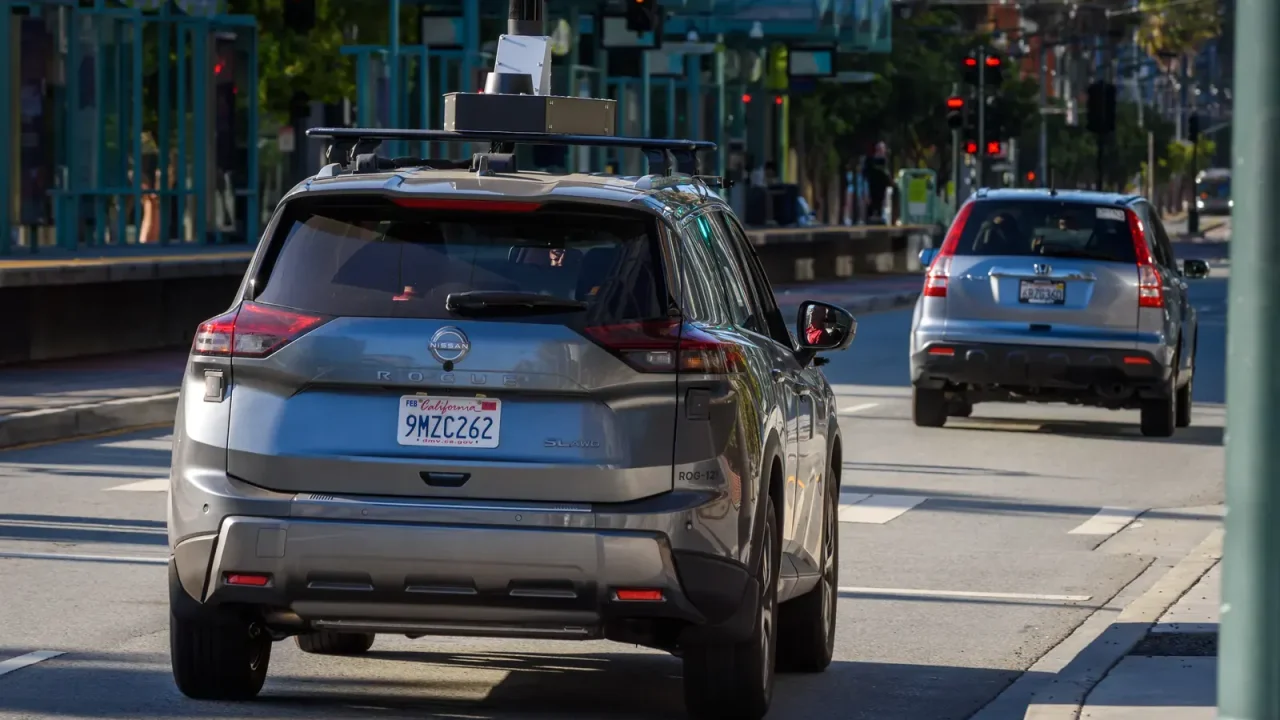
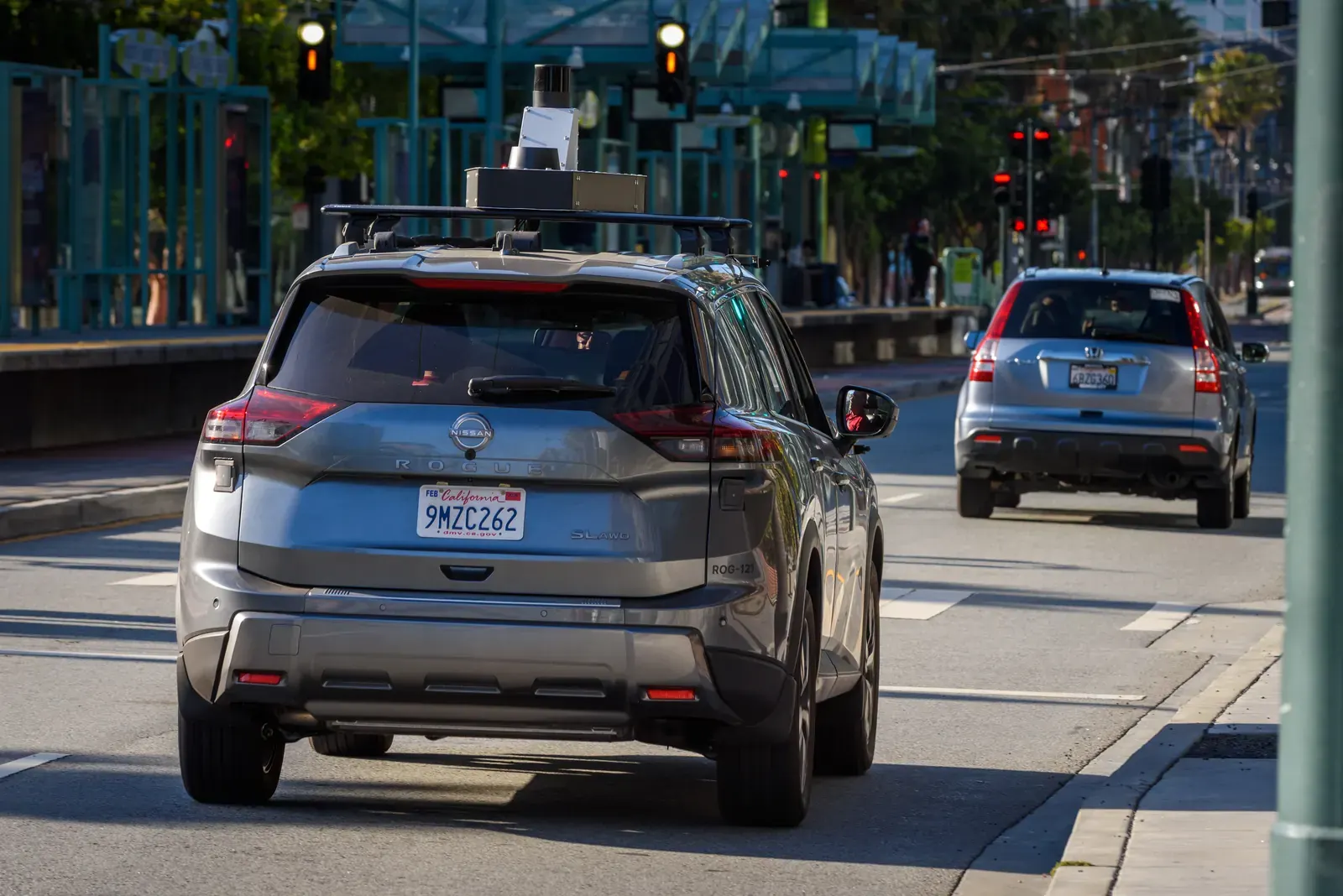
A new bill proposed in New Jersey could significantly alter the landscape for autonomous vehicle (AV) deployment, particularly impacting companies like Tesla that rely on camera-only systems. The legislation, if passed, would require AVs operating in the state to utilize at least three distinct sensing technologies, a move that would effectively ban Tesla’s current robotaxi fleet, which operates solely on cameras.
The proposed law aims to enhance the safety and reliability of self-driving vehicles by mandating a multi-modal sensing approach. This would necessitate the integration of technologies beyond cameras, such as lidar (light detection and ranging) and radar, which are widely adopted by other major AV developers, including Waymo.
Advocates for the bill argue that relying on a single sensor type is insufficient for ensuring safe operation under all conditions. Senator Andrew Zwicker, the bill’s sponsor, has expressed skepticism about claims that a camera and software alone can reliably handle complex driving scenarios that human drivers manage. He points to the limitations of cameras, which can be compromised by adverse weather conditions like heavy rain, fog, or direct sunlight, as well as by darkness.
In contrast, AV developers who incorporate lidar and radar systems highlight their superior performance in challenging environmental and lighting conditions. These technologies provide complementary data that can improve a vehicle’s ability to perceive its surroundings accurately, day or night, and in various weather. The bill’s proponents suggest that this multi-sensor approach is crucial for building public trust and ensuring a higher standard of safety for autonomous transportation.
Potential Impact on Tesla’s Robotaxi Ambitions
Tesla has been a prominent proponent of a vision-based approach to autonomous driving, developing its Autopilot and Full Self-Driving (FSD) systems primarily around camera input. The company’s strategy has been to leverage advanced AI and machine learning to interpret visual data, with the long-term goal of achieving full autonomy without relying on more expensive or complex sensor suites like lidar.
If New Jersey enacts the proposed legislation, Tesla would be compelled to either adapt its current robotaxi technology to include additional sensing modalities or face a ban on its operations within the state. This situation could create a significant hurdle for the company’s rollout plans for its robotaxi service, which has been a central part of its future strategy.
Broader Implications for the AV Industry
The New Jersey bill is not an isolated development. The article notes that other states, including New York, are also considering similar legislation. This suggests a potential trend towards regulatory frameworks that favor multi-sensor AV systems. Such a shift could have far-reaching consequences for the entire autonomous vehicle industry, potentially accelerating the adoption of lidar and radar across the sector and influencing research and development priorities.
Companies that have already invested heavily in multi-sensor platforms, such as Waymo and Cruise, may find themselves at a competitive advantage if similar regulations become widespread. Conversely, companies like Tesla, whose technological roadmap is heavily weighted towards a vision-centric approach, might face increased pressure to re-evaluate their strategies and potentially invest in alternative sensing technologies.
The debate over sensing technology in AVs touches upon fundamental questions about safety, technological efficacy, and regulatory oversight. As the technology matures, regulators and policymakers are grappling with how best to ensure public safety while fostering innovation in this rapidly evolving field. The New Jersey bill represents one state’s attempt to establish a clear standard for AV safety, with potential implications that extend far beyond its borders.
Key facts
| Aspect | Detail |
|---|---|
| Proposed Legislation | New Jersey bill requiring AVs to use at least 3 sensing technologies. |
| Impacted Technology | Potentially bans camera-only AV systems, including Tesla’s robotaxi. |
| Rationale | Enhance safety and reliability through multi-modal sensing. |
| Supporting Sensors | Lidar and radar are alternatives to camera-only systems. |
| Other States | New York is reportedly considering similar legislation. |
This development in New Jersey highlights the ongoing discussion and evolving regulatory approaches to autonomous vehicle safety. The focus on mandated sensing technologies underscores a potential regulatory pivot towards a more robust, multi-layered approach to perception for self-driving systems. As more jurisdictions consider such measures, the long-term trajectory of AV technology development, particularly concerning sensor choices, could be significantly influenced.
Source: Planetizen News, https://www.planetizen.com/news/2026/07/137972-new-jersey-bill-would-require-avs-use-3-sensing-technologies-banning-teslas
Fuente
Planetizen News Publicacion original: 2026-07-11T12:00:00+00:00
Related updates
US mayors rank housing affordability as top crisis as costs squeeze cities
A new survey from the US Conference of Mayors finds affordable housing leading city leaders’ concerns as the rising cost of living…
Read update
Seattle School Board Member Challenges Washington State MAGA-Backed Initiatives
Seattle School Board member Joe Mizrahi has issued a detailed critique of three Washington State ballot initiatives funded by a hedge fund…
Read update
Lessons from Los Angeles: How housing policies can deter new development – a cautionary tale for London
Los Angeles developers are scaling back projects despite huge housing demand, blaming pandemic-era rent protections and a mansion tax that encourages small-scale…
Read update
Uber’s $10B robotaxi bet signals a shift in urban mobility, but London’s streets remain a different arena
Uber has announced a $10 billion investment in autonomous vehicles, intensifying the robotaxi race with Waymo, Zoox and Tesla. For London, the…
Read updateWiki relacionada

Urban Planning Terms: Density, Public Realm and Transit-Oriented Development
A living glossary for terms that appear again and again in planning and development stories.
Read update