
Spokane Transit Authority Seeks Renewal of Crucial Sales Tax Funding
Spokane County voters have the opportunity to renew a 0.2% sales tax that is vital for funding the Spokane Transit Authority's operations and future development, including a planned Bus Rapid Transit line.
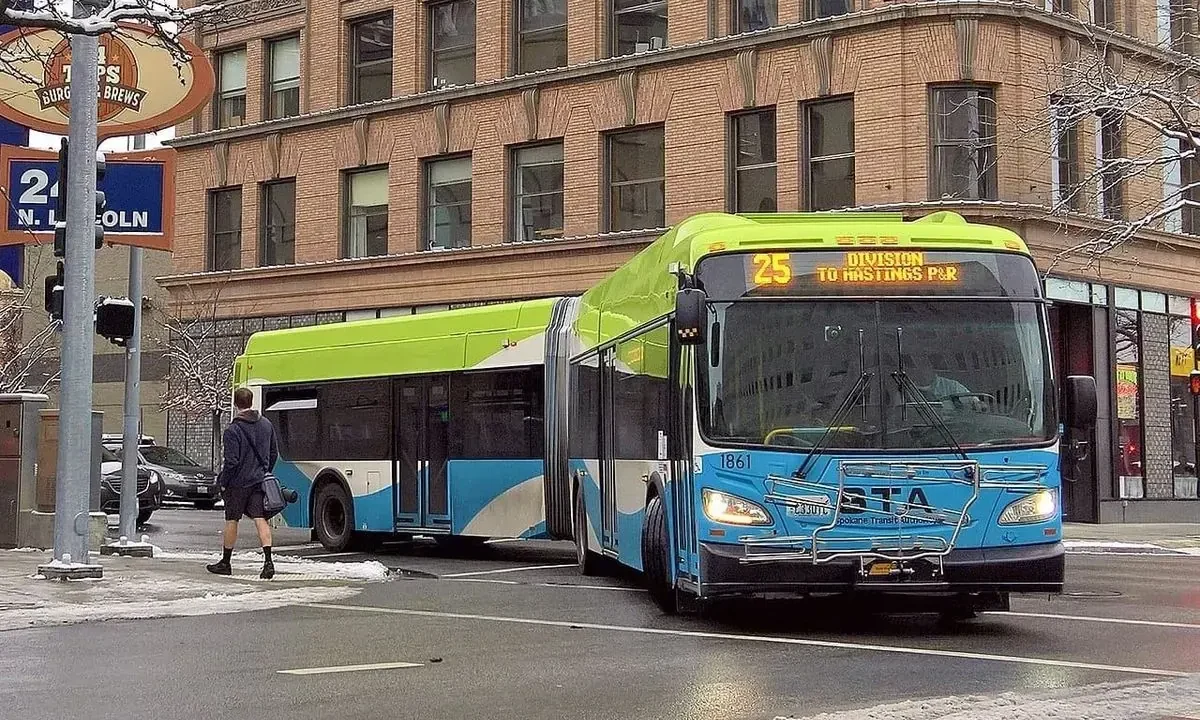
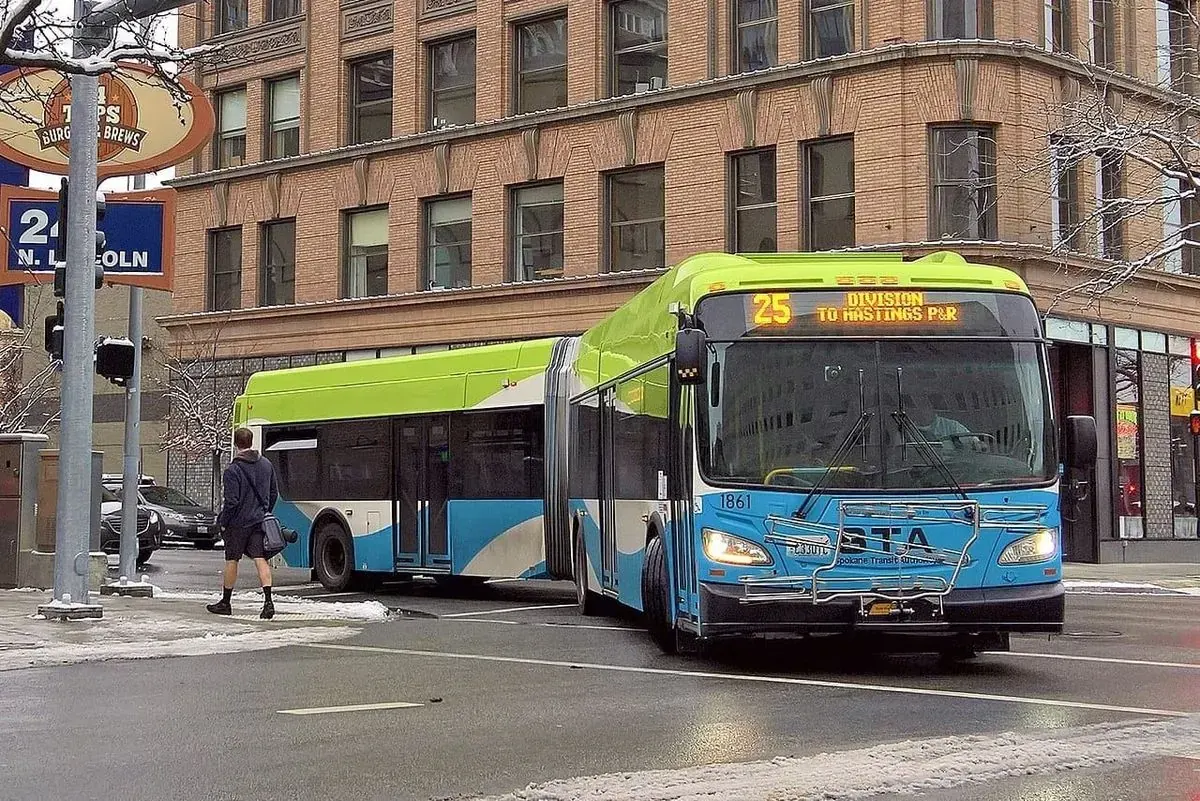
Spokane County voters are being asked to renew a 0.2% sales tax on August 4th, a measure critical to sustaining and expanding the services provided by the Spokane Transit Authority (STA). This renewal is presented as essential for the agency’s long-term financial stability and its ability to implement its ambitious Connect 2035 plan.
The proposed renewal is not a tax increase but rather a continuation of a tax initially approved in 2016. Since its inception, the tax has enabled STA to significantly enhance its transit offerings. These improvements include the introduction of more frequent routes, a 35% increase in bus service, the launch of the City Line Bus Rapid Transit (BRT) service, and the early adoption of tap-to-pay technology. Notably, STA also made transit free for all individuals under the age of 19, a move that has contributed to a recovery and surpassment of pre-pandemic ridership levels.
Por que importa
STA is recognised as a highly effective transit agency, providing the second-highest number of fixed-route bus rides in Washington State, trailing only King County Metro. Crucially, it achieves this at the lowest cost per passenger among urban transit agencies in the state, indicating strong financial stewardship and value for taxpayer money. This efficiency has positioned Spokane Transit Authority as a model for mid-sized transit agencies nationwide.
The renewal of the sales tax for the next 20 years is intended to provide the stable funding required to realise the goals outlined in the Connect 2035 plan. This plan encompasses not only the continuation of fixed-route, paratransit, and vanpool services but also the strategic leveraging of an $80 million federal grant. This federal funding is earmarked for the construction of a Bus Rapid Transit line along Division Street, a major artery that is currently the busiest street in the city and is owned by the Washington State Department of Transportation (WSDOT). The project aims to transform this highway into a more functional and accessible urban corridor.
Contexto
STA’s services are fundamental to the daily lives of many Spokane residents, connecting them to employment opportunities, medical appointments, grocery stores, social services, and educational institutions. The agency’s impact extends to improving access to essential services and providing an alternative to private vehicle use, thereby contributing to cleaner air and reduced traffic congestion.
The “Yes for Buses” campaign is actively engaging the community to garner support for the renewal. Recent canvassing efforts have highlighted the personal significance of STA’s services. Testimonials from riders like Linda, who relies on paratransit for autonomy after surgery, and Tatiana, who depended on bus service after her car was totalled, underscore the agency’s vital role in maintaining personal independence and access to necessities. Long-time riders, like Betsy, who began using the bus during the 1974 World’s Fair, demonstrate the enduring importance of public transit for social engagement and an active lifestyle.
Opponents of the renewal, or those who might see it lapse, risk a rollback of these services. Potential consequences include longer wait times for buses, particularly for shift workers, reduced service hours that may end before the workday concludes, increased reliance on personal vehicles leading to higher fuel costs, and diminished access to critical medical and social services. The campaign stresses that now is not the time to curtail investment in public transportation.
The campaign is encouraging voter participation through various means, including joining canvassing efforts to speak directly with voters, participating in phone banking, engaging in text banking as ballots are distributed, and making financial contributions to support the campaign’s outreach. The overarching message is that Spokane is a community that depends on a robust transit system, and renewing the sales tax is crucial for the Spokane Transit Authority to continue meeting these needs effectively.
Key facts
| Feature | Detail |
|—|—|
| Tax Measure | Renewal of 0.2% sales tax |
| Purpose | Fund Spokane Transit Authority (STA) operations and Connect 2035 plan |
| Ballot Date | August 4th |
| Key Project | Bus Rapid Transit on Division Street |
| Federal Grant | $80 million leveraged by STA funding |
The renewal of this sales tax directly impacts the future of urban mobility in Spokane. It underpins the STA’s ability to offer reliable and accessible public transport, which is a cornerstone for connecting residents to opportunities and improving the overall quality of life. The planned BRT on Division Street promises to transform a key urban corridor, enhancing connectivity and potentially reducing car dependency. This initiative aligns with broader urban planning goals of creating more sustainable and equitable cities through effective public transit infrastructure.
Source: The Urbanist, Op-Ed: Why Spokane Needs to Keep Its Transit Momentum, https://www.theurbanist.org/op-ed-spokane-transit/
Datos clave
| Punto | Detalle |
|---|---|
| Fuente | The Urbanist |
| Fecha | 2026-07-05T21:45:43+00:00 |
| Tema | Op-Ed: Why Spokane Needs to Keep Its Transit Momentum |
Fuente
The Urbanist Publicacion original: 2026-07-05T21:45:43+00:00
Related updates

Clyde Hill’s Affordable Housing Settlement Offers a Case Study in State-Led Planning Pressure
The wealthy Seattle suburb is close to settling a legal challenge over its growth plan by offering developers extra building rights in…
Read updateODOT cost reporting obscures 60% overrun on Oregon highway project, raising questions about transport transparency
An Oregon highway widening project hailed as a budget success actually ran more than 60% over its original cost estimate, according to…
Read update
Austin moves to close 25-square-foot loophole in rental housing mould rules
Austin, Texas, is drafting new city code to replace a state rule that requires landlords to act only when mould covers 25…
Read update
US mayors rank housing affordability as top crisis as costs squeeze cities
A new survey from the US Conference of Mayors finds affordable housing leading city leaders’ concerns as the rising cost of living…
Read updateWiki relacionada

Urban Planning Terms: Density, Public Realm and Transit-Oriented Development
A living glossary for terms that appear again and again in planning and development stories.
Read update