
Navigating London’s Planning Application Process: A Step-by-Step Guide
A comprehensive walkthrough of London's planning application process, detailing key stages, decision-making bodies, and how to participate effectively.
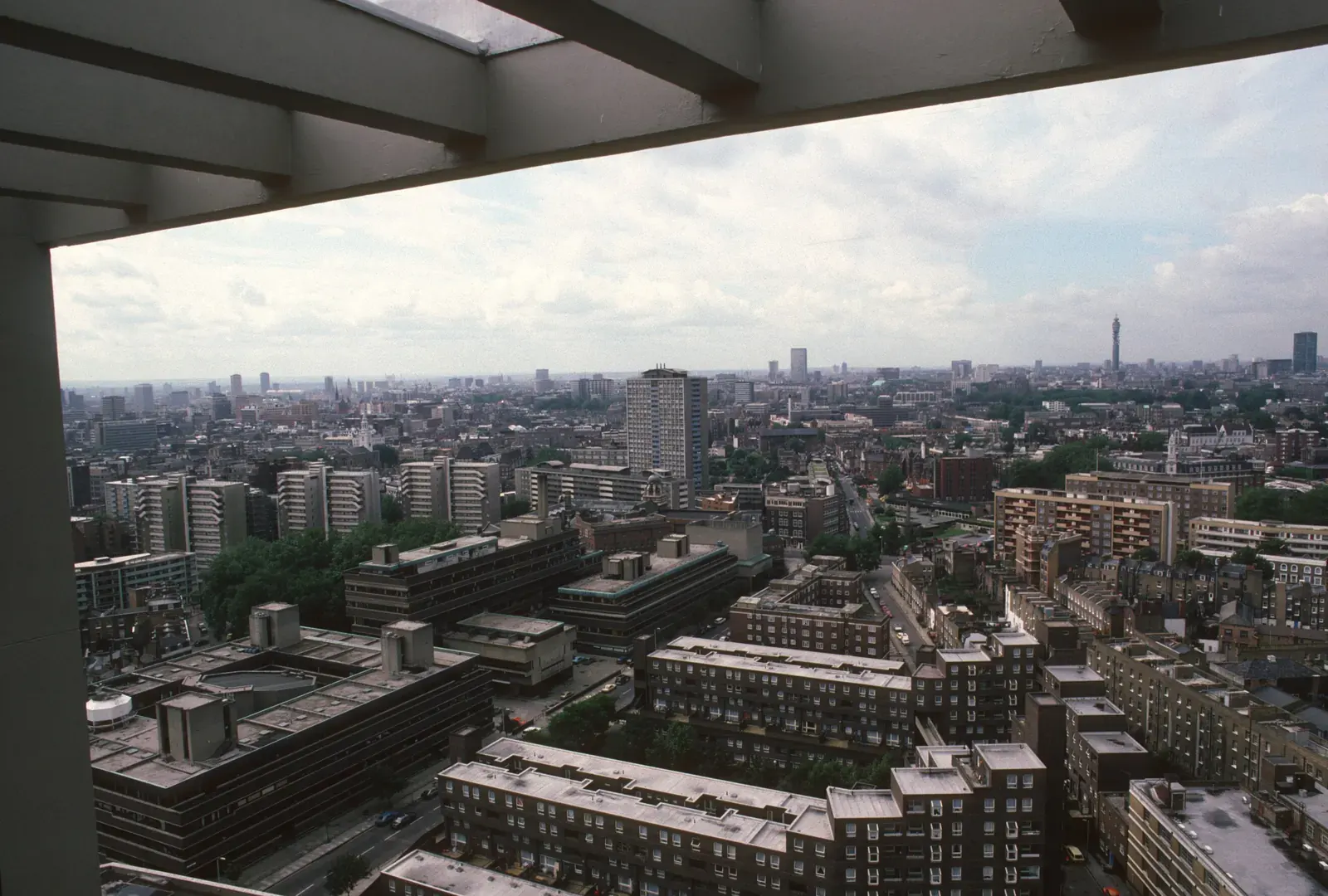
Understanding the planning application process in London is fundamental for anyone involved in shaping the city’s built environment. Whether you’re a developer seeking approval, a resident wanting to voice an opinion, or simply curious about urban development, this guide breaks down the journey from initial concept to final decision. The system is overseen by both the Greater London Authority (GLA) for strategic, region-wide developments and individual London boroughs for most local applications.
Pre-Application Consultation: Laying the Groundwork
Before submitting a formal planning application, engaging with the local planning authority is highly recommended. This pre-application advice stage allows for discussions about your project’s potential challenges, design concepts, and alignment with current planning policies. Proactive consultation can identify potential hurdles early, saving time and resources during the formal submission process. It’s an opportunity to gain clarity on requirements and ensure your proposal is well-received.
Submitting Your Application: The Formal Step
Once you’ve consulted and refined your proposal, the next step is to submit the official planning application. This is typically done online through the Planning Portal or directly to the relevant borough council. A complete application requires detailed plans, drawings (elevations, site plans), design and access statements, and other supporting documentation. The accuracy and thoroughness of these documents are critical for a smooth validation process.
Validation and Registration: Official Acknowledgment
After submission, the local planning authority will validate your application. This involves checking that all necessary forms, documents, and the correct fee are included. Once validated, the application is registered, and you will receive a unique reference number. This marks the official start of the application’s journey through the system.
Consultation and Publicity: Engaging the Community
A crucial phase involves public consultation. The local authority will publicise your application to inform neighbours, local residents, and other interested parties. This usually includes site notices, letters sent to adjacent properties, and listings on the council’s website. A specified period is allocated for the public to submit comments, objections, or support for the proposed development. Your input during this stage is vital for the decision-making process.
Assessment and Recommendation: Expert Review
Planning officers meticulously assess the application against national and local planning policies, including the London Plan and any relevant supplementary planning documents. They consider all material planning considerations, which can include design, impact on amenities, transport, and environmental factors. Consultation with internal departments (e.g., highways, conservation) and external statutory consultees (e.g., Environment Agency, Historic England) may also occur. Based on this comprehensive review, officers will prepare a report with a recommendation for the decision-maker.
Decision-Making Authority: Who Decides?
For the majority of planning applications, decisions are made by delegated authority, meaning planning officers have the power to approve or refuse. However, larger, more complex, or contentious applications are typically presented to the borough’s Planning Committee. Here, elected councillors review the officer’s recommendation and hear arguments before voting. For developments of regional significance, the Mayor of London, via the GLA, also has a role in the decision-making process.
The Decision Notice and Next Steps
Upon completion of the assessment and decision-making process, a formal decision notice is issued. This will either grant planning permission, often with specific conditions that must be met before and during development, or refuse permission. If permission is granted, it’s essential to carefully review and discharge any conditions. If your application is refused, you have the right to appeal the decision to the Secretary of State.
Understanding London’s Planning Policies
The regulatory framework for development in London is multi-layered:
The London Plan: This is the overarching spatial development strategy for the city, setting out the Mayor of London’s vision and policies for sustainable development.
Borough Local Plans: Each London borough develops its own Local Plan, detailing specific policies and proposals tailored to its local context and needs.
National Planning Policy Framework (NPPF): This government document outlines the national planning policies that guide local planning authorities across England.
These documents collectively guide decisions on housing, transport, environmental protection, design quality, and the preservation of green spaces, ensuring development contributes positively to London’s future.
How to Participate Effectively
Public involvement is a cornerstone of the planning system. You can participate by:
Commenting on planning applications during the consultation period.
Attending Planning Committee meetings to observe discussions and, where permitted, speak on an application.
Making formal representations on emerging Local Plans and other strategic policy documents.
Table: Typical Planning Application Timelines
Application TypeTarget Determination PeriodNotesMinor Applications8 weeksApplications like house extensions, minor alterations.Major Developments13 weeksNew housing schemes, significant commercial or mixed-use developments.GLA Referable Schemes13-16 weeksMajor applications with strategic importance to London, requiring Mayor’s input.
Please note: These are target periods and can be extended for complex cases or those requiring extensive consultation.
Key Challenges in London’s Planning System
London’s unique status as a global city presents specific challenges. High development pressures, a dense urban fabric, and a complex policy landscape mean that applications are often scrutinised intensely. For applicants, meticulous preparation and adherence to policy are paramount. For residents, focusing on material planning considerations – those relevant to planning law and policy – will ensure your comments are most impactful. For authoritative details and to track specific applications, always consult the official websites of the Greater London Authority and your local borough council, in addition to the Planning Portal.
Fuentes
- ["https://www.london.gov.uk/what-we-do/planning/planning-applications", "https://www.gov.uk/planning-applications-in-england"]
Historial de cambios
Ultima revision y actualizacion: 22 June 2026.
Latest related updates

Why an Underground dispute matters beyond delays
Without relevant TfL, union or City Hall sources, the safest publishable version is a reader guide to assessing claims around staffing, productivity,…
Read update
Car-Free Trails Foster Childhood Independence, Urging More Development
An advocate argues for the expansion of car-free corridors, highlighting their role in providing safe spaces for children to develop autonomy and…
Read update
The Future of London’s Public Transport: Navigating the Challenges Ahead
London's public transport network, a vital artery for the city, faces a complex web of challenges. This column explores the financial, technological,…
Read update
Chicago Bus Operator Highlights Systemic Issues in Service Reliability
An anonymous Chicago Transit Authority (CTA) bus operator details how the current structure of Bus Control leads to significant delays and service…
Read update