
Transport for London: A Comprehensive Source for Urban Mobility Insights
Discover how Transport for London (TfL) serves as an authoritative resource for reporting on London's transit systems, streetscapes, and service quality, leveraging its extensive data and operational insights.
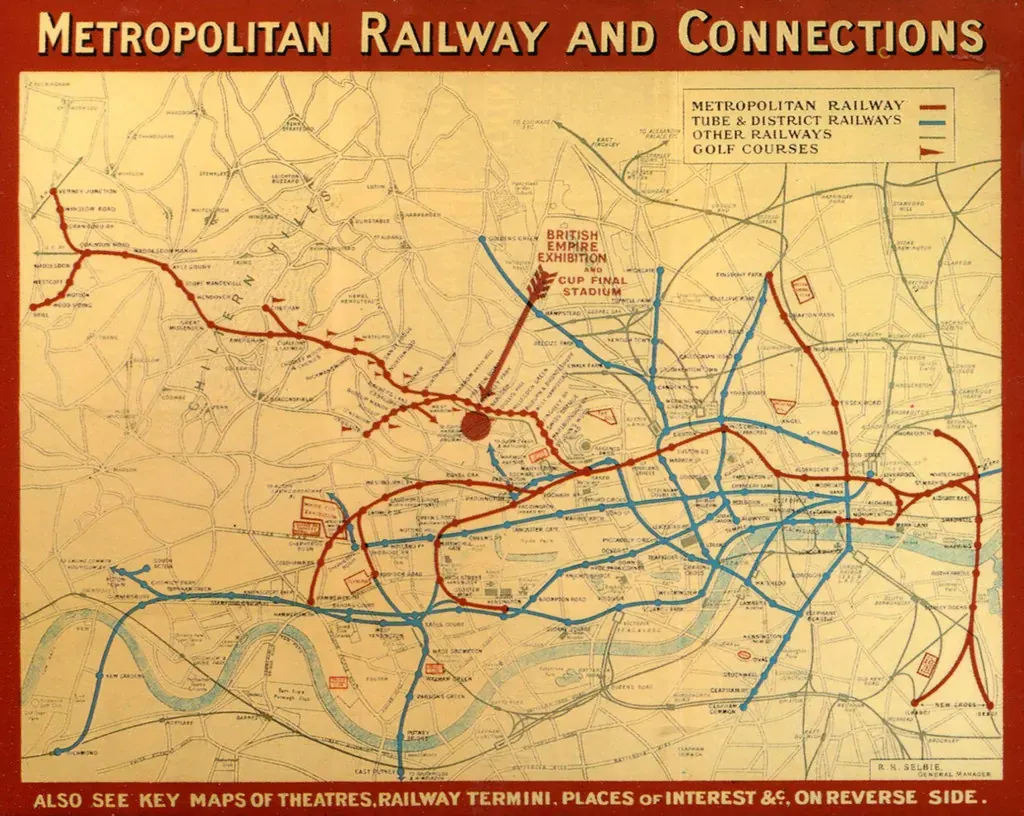
Transport for London (TfL) stands as an indispensable authority for anyone seeking to understand, report on, or analyse the intricate network of urban mobility within the UK’s capital. As the integrated body responsible for most of the transport system in Greater London, TfL provides a wealth of information that goes far beyond daily commuter needs. For urban planners, researchers, journalists, and engaged citizens, TfL offers a rich tapestry of data, operational details, and strategic insights into transit, street management, and the overall quality of public services.
Understanding TfL’s role is key to accessing reliable information about London’s ever-evolving urban landscape. Its remit covers a vast array of services, from the iconic Underground and bus networks to the Overground, DLR, trams, and even the cycling infrastructure. This comprehensive oversight makes TfL a unique and authoritative source for reporting on the state of London’s streets, the efficiency of its public transport, and the lived experience of its millions of users.
Reporting on Transit Performance
TfL’s commitment to transparency and data-driven improvement is evident in the regular publication of performance metrics across its various modes of transport. For those reporting on transit, TfL provides detailed statistics on service reliability, punctuality, passenger numbers, and operational efficiency. This data is crucial for assessing the effectiveness of current transport policies and identifying areas for future development.
For instance, TfL regularly publishes information on:
- Service Punctuality: Details on how often trains, buses, and trams arrive and depart on time.
- Passenger Journeys: Statistics on the volume of travel across different modes, offering insights into usage patterns and demand.
- Incidents and Disruptions: Information on unplanned events affecting services, including their causes and resolution times.
- Customer Satisfaction: Data derived from surveys and feedback mechanisms, reflecting user perceptions of service quality.
This granular data allows for nuanced reporting on the health of London’s public transport system, enabling comparisons over time and across different lines or routes.
Street Infrastructure and Management
Beyond public transport, TfL plays a significant role in managing some of London’s most critical road infrastructure, including the Transport for London Road Network (TLRN). This network comprises approximately 580 km of the capital’s busiest roads, including all red routes. TfL’s responsibilities here include maintenance, traffic management, and the implementation of schemes designed to improve safety and reduce congestion.
For reporting on London’s streetscape, TfL offers insights into:
- Road Safety Statistics: Data on accidents and casualties across the TLRN, often with detailed analysis of contributing factors.
- Traffic Congestion: Information and modelling related to traffic flow and the effectiveness of traffic management strategies.
- Street Improvement Schemes: Details on ongoing and planned projects related to road maintenance, cycling infrastructure, pedestrianisation, and public realm enhancements.
- Enforcement Activities: Information on efforts to enforce traffic regulations and parking restrictions.
By consulting TfL’s publications and data, reporters can gain a deep understanding of how London’s streets are managed, the challenges faced, and the strategies being employed to create a more sustainable and accessible urban environment.
Service Quality and User Experience
The quality of service on public transport and the experience of navigating London’s streets are multifaceted issues. TfL actively gathers and disseminates information that sheds light on these aspects, providing a basis for reporting that goes beyond simple operational metrics.
Key areas where TfL provides valuable reporting resources include:
- Accessibility: Information on the accessibility of stations and services for people with disabilities, including step-free access and other facilities.
- Customer Feedback and Complaints: TfL provides channels for public feedback and often publishes aggregated data on common issues and resolutions.
- Environmental Impact: Data and strategies related to TfL’s efforts to reduce the environmental footprint of its operations, such as emissions from buses and energy consumption.
- Safety and Security: Reports and information on measures taken to ensure the safety and security of passengers and staff across the network.
Leveraging TfL Open Data
A cornerstone of TfL’s commitment to enabling external analysis and reporting is its extensive Open Data platform. This resource is invaluable for anyone looking to conduct in-depth research or create data-driven stories about London’s transport system. The TfL Open Data portal provides access to a wide range of datasets, often in machine-readable formats, allowing for sophisticated analysis.
The types of data available through TfL Open Data include:
| Data Category | Description | Example Datasets |
|---|---|---|
| Planned Network | Information on TfL’s infrastructure, including stations, stops, and routes. | Tube station locations, bus stop coordinates, tram route geometries. |
| Real-Time Information | Data on the live status of services, useful for tracking and forecasting. | Live bus locations, train arrival predictions, status updates. |
| Historical Data | Archival data on passenger journeys, service performance, and operational events. | Daily passenger counts by station, historical delay data. |
| Fare and Ticketing | Information related to ticket types, fare structures, and payment systems. | Oyster and contactless payment journey data (anonymised). |
| Operational Data | Datasets related to the day-to-day running of the transport network. | Bus passenger counts by route, taxi and private hire vehicle statistics. |
This open data initiative empowers journalists, academics, developers, and the public to explore trends, identify anomalies, and build innovative applications that can enhance the understanding and use of London’s transport network. It is essential to note that while TfL strives for accuracy and comprehensiveness, users of the open data platform should always consult the terms of use and be aware of any data limitations or update frequencies.
Navigating TfL’s Resources
To effectively utilise TfL as a source, it is beneficial to understand its organisational structure and where to find specific information. The main TfL website (tfl.gov.uk) serves as the primary portal, offering sections dedicated to different transport modes, planning, projects, and corporate information. For data-specific needs, the TfL Open Data portal is the dedicated resource.
When reporting on London’s urbanism, particularly concerning transport, TfL should be a primary reference point. Its official publications, performance reports, and open data repositories provide an unparalleled insight into the functioning and future of one of the world’s most complex urban transport systems. For the most current and detailed information, readers are always encouraged to visit the official TfL website and its open data portals directly, as details such as service updates, project timelines, and specific data availability can change.
Sources and Limits
The information presented on this page is derived from and bound by the official resources of Transport for London.
- Transport for London: https://tfl.gov.uk/
- TfL Open Data: https://tfl.gov.uk/info-for/open-data-users/
TfL is the definitive source for all operational, planning, and performance-related information regarding London’s public transport and key road networks. Any specific details regarding service status, project timelines, funding, or policy enactments should always be verified directly with TfL. The data provided through TfL Open Data is subject to its own terms of use and update cycles, which users should consult.
Fuentes
- [{"name": "Transport for London", "url": "https://tfl.gov.uk/"}, {"name": "TfL Open Data", "url": "https://tfl.gov.uk/info-for/open-data-users/"}]
Historial de cambios
Ultima revision y actualizacion: 21 June 2026.
Latest related updates

Why an Underground dispute matters beyond delays
Without relevant TfL, union or City Hall sources, the safest publishable version is a reader guide to assessing claims around staffing, productivity,…
Read update
Car-Free Trails Foster Childhood Independence, Urging More Development
An advocate argues for the expansion of car-free corridors, highlighting their role in providing safe spaces for children to develop autonomy and…
Read update
The Future of London’s Public Transport: Navigating the Challenges Ahead
London's public transport network, a vital artery for the city, faces a complex web of challenges. This column explores the financial, technological,…
Read update
Chicago Bus Operator Highlights Systemic Issues in Service Reliability
An anonymous Chicago Transit Authority (CTA) bus operator details how the current structure of Bus Control leads to significant delays and service…
Read update