
Seattle Mayor Pushes for Doubled Bus Funding Amidst Council Debate
Mayor Katie Wilson advocates for a 0.15% sales tax increase to significantly boost King County Metro bus service, facing council discussions on funding allocation and potential amendments.
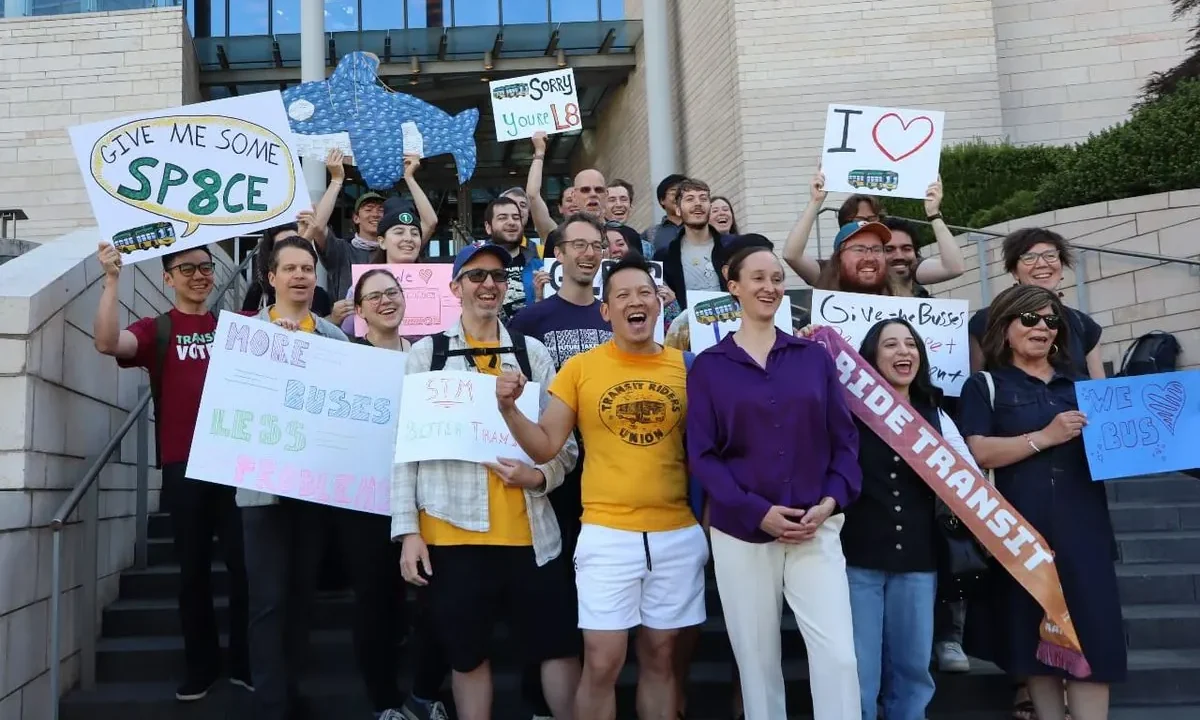
Seattle’s Mayor Katie Wilson is making a strong case for a renewed and expanded Seattle Transit Measure (STM), proposing a significant increase in sales tax to bolster local bus services. The measure, currently under debate by the Seattle City Council, aims to double the existing 0.15% sales tax to fund a substantial increase in King County Metro’s bus service hours.
Mayor Wilson’s proposal seeks to raise the STM to 0.30%, with the primary goal of directing increased City subsidies to King County Metro. This would enable a jump in annual service hours funded by the City from 176,000 to approximately 280,000, representing a 60% increase. The enhanced funding is intended to improve bus frequency on 10-15 routes across the city, with a particular focus on reducing wait times during evenings and weekends, periods that typically experience less frequent service.
Beyond service hours, the proposed renewal would also allocate funds toward a significant expansion of an existing low-income ORCA card benefit program. Additionally, it would ensure the continued operation of Seattle’s two streetcar lines and provide support for the Sound Transit 3 expansion plan, including a potential city contribution towards the construction of the Graham Street station.
Council Deliberations and Funding Allocation Debates
As the Seattle City Council begins to consider amendments to the STM proposal before it goes to voters, discussions are centering on how the funding will be allocated. While initial rumors suggested potential efforts to lower the overall sales tax rate, this now appears unlikely. Instead, the focus of debate in the coming weeks is expected to be on how the collected revenue will be divided among various policy priorities.
Mayor Wilson has drawn a parallel between the proposed transit tax and recent sales tax increases approved for public safety and roads at both city and county levels. She highlighted what she perceives as a double standard, noting that sales tax increases for public safety and roads have been met with less public concern than the proposed increase for public transit.
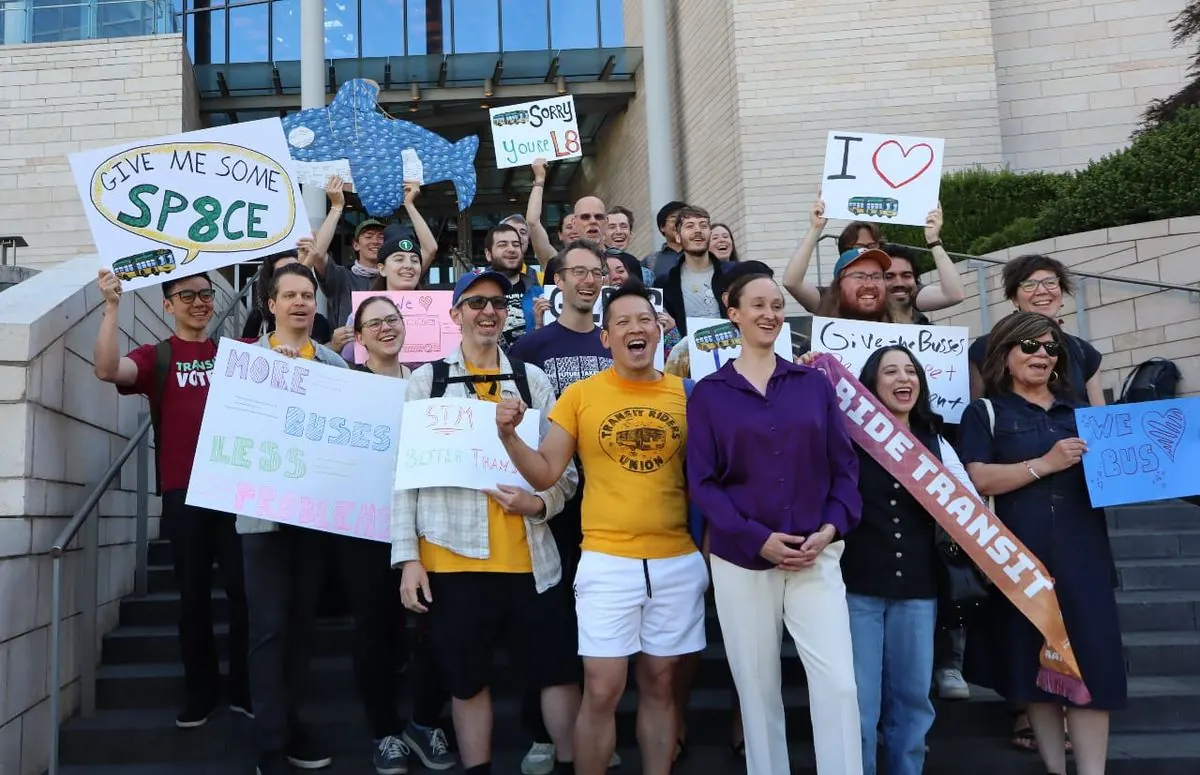
“You can propose a sales tax for public safety, and no one blinks an eye. You can propose a sales tax for roads, and no one blinks an eye. But when a progressive mayor proposes a sales tax for public transit, all of a sudden some people are very concerned about taxes,” Mayor Wilson stated at a rally held at City Hall. She further argued that cuts to public transit are more regressive than a modest sales tax increase, emphasizing the essential role of reliable bus service for low-wage workers and families.
The financial implications of maintaining the current tax rate are also a concern. If the measure were to be renewed at its existing 0.15% rate, inflation and the nearing exhaustion of current STM reserves would necessitate a scaling back of Seattle’s investments in King County Metro service. To simply maintain current investment levels would require a renewal rate of 0.223%, indicating that the proposed 0.30% represents a substantial increase beyond maintaining the status quo.
Councilmember Focus on Service Hours and Infrastructure
Councilmembers are signalling their intentions regarding potential amendments. Councilmember Rob Saka, chair of the Transportation Committee, has already worked with the Mayor’s office to increase the allocation for physical transit and accessibility infrastructure from $3.5 million annually to $5 million. Saka has previously expressed interest in the STM funding sidewalk improvements, but transit advocacy groups have largely advocated for the measure to remain focused on its core purpose of bus service.
At-large councilmembers Alexis Mercedes Rinck and Dionne Foster have voiced concerns about any diversion of funds away from direct bus service hours. Rinck specifically highlighted the importance of the current STM in funding late-night service used by hospitality workers, emphasizing the need for reliable transportation for those with non-traditional work schedules.
Councilmember Saka, in response to pushback on the infrastructure funding increase, pointed to the city’s obligations under a 2017 consent decree to construct ADA-accessible curb ramps. He noted that the 2024 Seattle Transportation Levy already includes $30 million for standalone curb ramps, with additional funds embedded in other transportation projects.
Another area of discussion involves safety and security on public transit. Councilmember Bob Kettle, chair of the Public Safety Committee, suggested increasing investment in safety and security measures for Metro buses and streetcars. While similar language was included in the current STM, it was omitted from the proposed renewal. With Metro having expanded its security staff in recent years, the city’s contribution to service funding is seen as a critical element.
Key facts
| Feature | Details |
|—|—|
| Proposed Sales Tax Rate | 0.30% (doubling current 0.15%) |
| Primary Goal | Increase King County Metro bus service hours |
| Projected Service Hour Increase | From 176,000 to 280,000 annually (60% rise) |
| Other Funding Areas | Low-income ORCA card expansion, streetcar operations, Sound Transit 3 support |
| Key Debate | Allocation of funds among service, infrastructure, and safety |
The proposed expansion of the Seattle Transit Measure has significant implications for public transit users in the city. An increase in bus frequency, particularly during off-peak hours, promises greater reliability and accessibility for commuters. The planned enhancements to the low-income ORCA card program aim to make transit more affordable for vulnerable populations. Furthermore, continued funding for streetcars and support for regional transit expansion underscore a broader commitment to multimodal transportation. However, the allocation of funds remains a critical point of contention for the City Council, with advocates for direct bus service hours urging caution against diverting funds to other initiatives.
Source: The Urbanist – Wilson Makes Case for Expanded Bus Measure as Council Debate Ramps Up (https://www.theurbanist.org/wilson-makes-case-for-expanded-bus-measure-as-council-debate-ramps-up/)
Datos clave
| Punto | Detalle |
|---|---|
| Fuente | The Urbanist |
| Fecha | 2026-06-19T00:48:09+00:00 |
| Tema | Wilson Makes Case for Expanded Bus Measure as Council Debate Ramps Up |
Fuente
The Urbanist Publicacion original: 2026-06-19T00:48:09+00:00
Related updates
Why the predicted Portland ‘Carmaggedon’ never arrived — and what London can learn about traffic evaporation
A month-long closure of a mile-long section of I-5 in Portland was forecast to triple commute times. Instead, morning peak journeys increased…
Read update
What the fall of Angkor reveals about the risks of low-density urban sprawl
A new analysis of the fall of Angkor, the ancient Khmer capital, draws parallels between its sprawling, low-density infrastructure and the vulnerabilities…
Read update
Colorado Data Center Dispute Highlights Gap in Planning Rules and Community Oversight
A proposal for Colorado’s largest data centre in Aurora has sparked debate over planning rules that allow major developments to bypass public…
Read update
London procurement teams face mounting cost and compliance pressures, North American survey suggests
A survey of 100 public-sector procurement professionals across North America finds rising costs and compliance demands straining teams, with 46% still relying…
Read updateWiki relacionada
Urban Planning Terms: Density, Public Realm and Transit-Oriented Development
A living glossary for terms that appear again and again in planning and development stories.
Read update